Explaining Medicine
  • News
  • Health & Lifestyle
    • Diet & Weight Management
    • Exercise & Fitness
    • Nutrition, Food & Recipes
    • Prevention & Wellness
  • Conditions
    • Custom1
      • Conditions A-Z
      • Procedures A-Z
      • Allergies
      • Alzheimer’s
      • Arthritis
      • Asthma
      • Blood Pressure
      • Cholesterol
      • Cancer
    • Custom2
      • Chronic Pain
      • Cold Flu
      • Depression
      • Diabetes
      • Digestion
      • Eyesight
      • Health Living
      • Healthy Kids
      • Hearing Ear
    • Custom3
      • Heart
      • HIV/AIDS
      • Infectious Disease
      • Lung Conditions
      • Menopause
      • Men’s Health
      • Mental Health
      • Migraine
      • Neurology
    • Custom4
      • Oral Health
      • Pregnancy
      • Senior Health
      • Sexual Health
      • Skin Problems
      • Sleep
      • Thyroid
      • Travel Health
      • Women’s Health
  • Medications
    • Medications
    • Supplements and Vitamins
  • Medical Dictionary
  • Health Alerts
Flu shot recommendation for kids dropped just as...
The CDC just sidelined these childhood vaccines. Here’s...
Your next primary care doctor could be online...
In Lodge Grass, Montana, a Crow community works...
RFK Jr.’s new dietary guidelines go all in...
More seniors are becoming homeless. Shelters are trying...
Health officials slash the number of vaccines recommended...
Wegovy obesity pill now available at pharmacies
In the U.S., hunger is often hidden. But...
One doctor’s experience shows the battle for the...
Top Posts

Explaining Medicine

  • News
  • Health & Lifestyle
    • Diet & Weight Management
    • Exercise & Fitness
    • Nutrition, Food & Recipes
    • Prevention & Wellness
  • Conditions
    • Custom1
      • Conditions A-Z
      • Procedures A-Z
      • Allergies
      • Alzheimer’s
      • Arthritis
      • Asthma
      • Blood Pressure
      • Cholesterol
      • Cancer
    • Custom2
      • Chronic Pain
      • Cold Flu
      • Depression
      • Diabetes
      • Digestion
      • Eyesight
      • Health Living
      • Healthy Kids
      • Hearing Ear
    • Custom3
      • Heart
      • HIV/AIDS
      • Infectious Disease
      • Lung Conditions
      • Menopause
      • Men’s Health
      • Mental Health
      • Migraine
      • Neurology
    • Custom4
      • Oral Health
      • Pregnancy
      • Senior Health
      • Sexual Health
      • Skin Problems
      • Sleep
      • Thyroid
      • Travel Health
      • Women’s Health
  • Medications
    • Medications
    • Supplements and Vitamins
  • Medical Dictionary
  • Health Alerts
  • Slideshows

    Teen Drug Abuse Pictures Slideshow: Statistics, Facts and Symptoms

    by explainingmedicine October 14, 2016

    What Is Teen Drug Abuse?

    Drug abuse, now also referred to as drug use disorders, refers to using substances, over-the-counter (OTC) medications, prescription drugs, or illegal street drugs for the purpose of getting high. Substance abuse can lead to significant, even life-threatening, health problems. It also increases the risk of accidents, suicide, unsafe sex, and violence. Teens are more likely to abuse substances if they suffer from depression, low self-esteem or impulse control, have a history of being abused, or family history of substance abuse. Teens who receive low parental supervision or communication, or who feel different than their peers are also at risk for drug abuse.

    Teen Drug Abuse Statistics

    Almost 40% of high school students admit to drinking within the past month. Marijuana is also frequently abused by teens. In 2011, about 40% of high school students had admitted to ever using marijuana. About 7% of high school seniors admit to using it every day. In 2013, about 25% of high school students admitted to smoking cigarettes or using other tobacco products in the past month. In 2013, about 1 in 4 high school seniors admitted to getting drunk in the past month. Alcohol, marijuana, and tobacco are the substances most commonly abused by teens.

    In 2013, about 10% of high school seniors abused stimulants (Adderall, Ritalin) during the past year. Another 10% abused tranquilizers or sedatives; 9% abused opioid pain killers (Vicodin, OxyContin); 8% abused synthetic marijuana; and 5% abused cough and cold medicine. Fewer than 5% of high school seniors admitted to abusing other drugs.

    Addiction

    Addiction is a brain condition that results in craving, seeking, and using one or more substances, even though they are harmful. Physical dependence refers to a state where 1) more and more of a substance must be used to achieve a desired effect (tolerance) and 2) unpleasant symptoms occur when the dose of a substance is decreased or stopped all together (withdrawal). Physical dependence is often part of addiction, but it's not required to develop an addiction. In fact, psychological addiction can endure long after the addicted individual has successfully been physically weaned from the drug.

    Some substances are more addictive than others. Similarly, some people have more of a propensity for addiction than others.

    Teen Alcohol Abuse

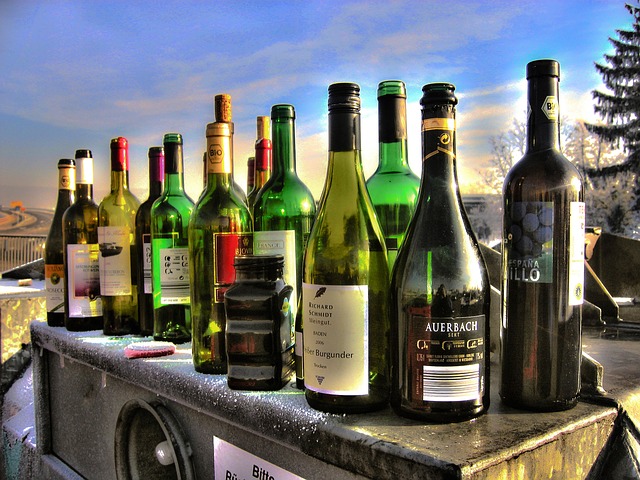
    By the age of 18, nearly 70% of teens admit to having had at least one drink. About 1 in 5 teens admits to binge drinking -- defined as having five or more drinks in a row within a couple of hours -- at least once per month. Around 8% of teens admit to having driven a car while drinking alcohol. Teen alcohol use is associated with a higher risk of death and serious injuries. Teen alcohol use increases the risk of violence, unsafe sex, and other dangerous behaviors. Alcohol can also affect the brain development of a growing teen.

    Marijuana

    Marijuana is the most commonly abused illicit drug by teens. More than 1 in 5 high school students use pot at least once during any given month. Marijuana use is on the rise, in part due to the mistaken belief that the drug is not dangerous. In the short term, marijuana impairs memory, perception, and judgment, all of which can contribute to the person engaging in risky behavior. Long-term use of marijuana is known to decrease motivation, as well as impair brain and sexual function. Teens use marijuana to feel relaxed and euphoric, but it can also increase heart rate and induce anxiety, or even psychosis. On the street, marijuana is referred to as ganja, grass, herb, chronic, dope, Mary Jane, reefer, pot, sinsemilla, weed, and skunk. Often, preparations that have a higher content of THC are referred to as hash or hashish.

    Use of synthetic marijuana, which goes by the street names K2, fake weed, or spice, is also on the rise. These herbal drugs contain substances similar to THC, the ingredient responsible for the effects of marijuana. About 11% of high school seniors use synthetic marijuana.

    Teen Tobacco Use

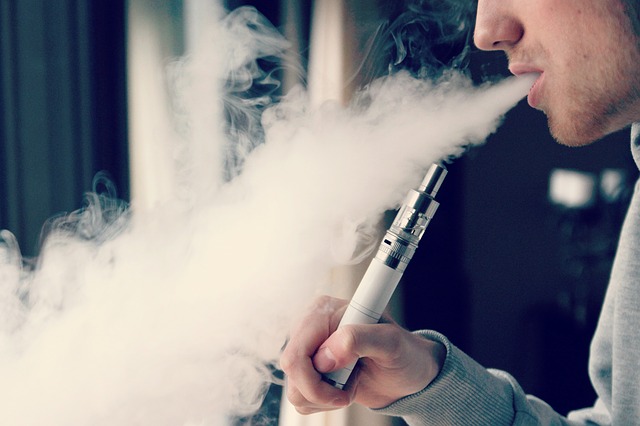
    Overall, teen tobacco use has been decreasing since the 1990s thanks to aggressive programs that depict the health dangers associated with its use. About 14% of high school students smoke cigarettes and 13% smoke cigars in a given month. Around 6% admit to using smokeless tobacco. "Bidis" are alternative cigarettes that come in a variety of colors and flavors. Hookah pipes are also popular among teens. Contrary to popular belief, bidis and hookah smoke are not less harmful than smoking cigarettes. Nicotine in tobacco products is highly addictive.

    Common street names for cigarettes include cigs, smokes, singles or butts. Smokeless tobacco is often referred to as snuff, chew, or snus.

    Teen Prescription Drug Abuse

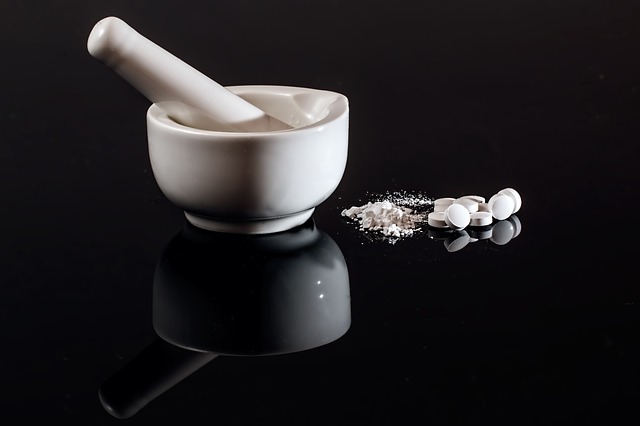
    After marijuana, tobacco, and alcohol, prescription medications are the substances most commonly abused by teens. About 15% of high school seniors admit to abusing prescription medication during the previous year. Tranquilizers and sedatives (Xanax, Klonopin, Valium), ADHD medication (Adderall, Ritalin, Concerta), and opioid pain killers (Vicodin, OxyContin, Percocet, Percodan) are the prescription medications abused most frequently by teens. It's a common misperception that abusing prescription drugs is safer than taking street drugs. That's not true. Abusing prescription medication can be very dangerous and even deadly.

    Tranquilizers and sedatives may go by the street names barbs, reds, red birds, yellows, yellow jackets, candy, sleeping pills, tranks, zombie pills, downers, phennies, tooies, forget-me pill, and Mexican Valium. Common street names for ADHD medications include the smart drug, vitamin R, R ball, skippy, uppers, bennies, hearts, and uppers. Street names for opioid pain killers include oxy, percs, happy pills, oxycotton, vike, juice, smack, and demmies.

    Teen Over-the-Counter (OTC) Drug Abuse

    Over-the-counter (OTC) cough and cold medicine is commonly abused by teens. About 5% of high school seniors admit to abusing cough and cold medicine in the past year. Dextromethorphan (DXM), the active ingredient in these medications, causes excitability, hallucinations, and delusions. It also increases heart rate and blood pressure. It can cause confusion and dizziness.

    Common street names for dextromethorphan include Robo, triple C, and poor man's PCP.

    Teen Street Drug Abuse

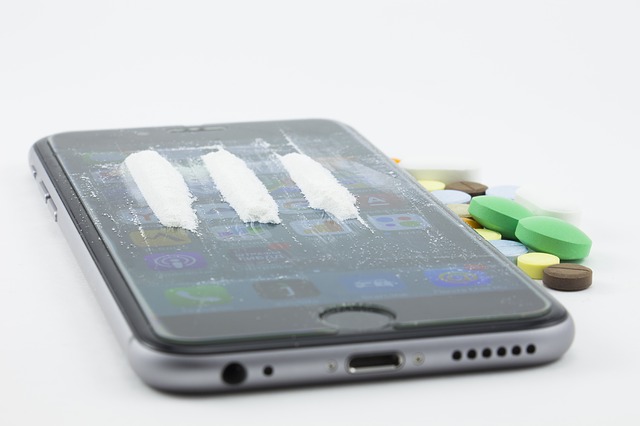
    Marijuana is, by far, the most common illegal street drug abused by teens. In one study, high school seniors admitted to abusing hallucinogens (less than 5%), ecstasy (4%), cocaine (less than 3%), and bath salts, PCP, methamphetamine, and heroin (all around 1% or less) in the past year. Use of illegal drugs can have dangerous, even deadly, consequences.

    Street names for ecstasy include Adam, Eve, peace, love drug, X, E, and XTC. Cocaine is known as coke, C, crack, blow, bump, Charlie, rock, and snow. Bath salts are called vanilla sky, white lightening, bloom, or cloud nine. PCP is also called boat, love boat and lovely. Methamphetamine (meth) goes by speed, ice, crystal, fire, and crank. Heroin may be called smack, ska, H, and black tar.

    Inhalants

    Teens sometimes inhale chemical fumes from paint, gas, cleaning liquids, or glue to get high. In one study, less than 3% of high school seniors admitted to abusing inhalants in the previous year. The rate of inhalant use tends to be much higher in preteens and younger teens - about 5% in the past year. That difference is thought to be due to the higher accessibility to inhalants compared to other drugs for younger teens. Many teens incorrectly assume sniffing inhalants isn't dangerous. Using inhalants can cause serious, irreversible brain damage, and even death. Long-term use of inhalants can break down myelin, the tissue that protects nerve cells. This can lead to tremors and muscle spasms similar to those seen in multiple sclerosis.

    Street names for inhalants include whippets, snappers, laughing gas, rush, and bold.

    Teen Drug Abuse: Symptoms and Signs

    Certain warning signs may help parents, teachers, family, and friends determine a teen has a substance abuse problem. Changes in personality and sleep habits may offer clues. Trouble at school, significant change in groups of friends, and failing grades may be other signs. A teen who is argumentative, often lies, is withdrawn, or breaks the law or rules at home or school may have a problem. Red, bloodshot eyes, fatigue, depression, poor health, lack of interest, and changes in grooming, dressing, or appearance may all point to drug use.

    Teen Drug Abuse Treatment

    There are more than 22 million people in the U.S. who need treatment for drug or alcohol abuse. Sadly, only about 11% of people over the age of 12 years receive treatment, 10% for those aged 12 to 19 years. That is usually due to a lack of insurance coverage or otherwise inability to pay. Most people admitted to treatment programs -- about 40% -- are in treatment for alcohol abuse or a combination of alcohol abuse and drug abuse. About 17% of treatment admissions are for marijuana abuse. Drug addiction is a complex process. Successful treatment for alcohol or drug abuse most commonly involves a combination of behavioral (counseling) and pharmacological intervention. A teen in treatment may undergo individual, group, or family counseling. First, often the teen undergoes a process of detoxification ("detox") to eliminate the abused substance from the body. Certain medications may be prescribed to minimize withdrawal symptoms and decrease cravings. It is important to treat any other mental health condition that the teen is suffering from (e.g. depression, anxiety, bipolar disorder) in addition to directly addressing the addiction in order for treatment to be the most successful.

    Teen Drug Abuse Treatment Referral

    The Substance Abuse and Mental Health Services Administration (SAMHSA) offers a Behavioral Health Treatment Facility Locator to help you find alcohol and substance abuse treatment facilities in your area.

    • Substance Abuse and Mental Health Treatment Services Locator

    You can also call the SAMHSA Helpline at 1-800-662-HELP (4357) or the National Council on Alcoholism and Drug Dependence at 1-800-NCA-CALL.

    You can reach the Suicide Prevention Lifeline for suicide prevention and other problems such as alcohol and substance abuse. The phone number is 1-800-273-TALK (8255).

    Teen Drug Abuse Prevention

    Parents can help prevent teen drug abuse by speaking to their children about the dangers of drugs and alcohol. Children whose parents speak to them about the risks of substance abuse and parents who tell their children their expectations are that drugs are not to be used are 50% less likely to use than children whose parents never address the topic.

    More than 50% of prescription medications that people abuse are obtained from a friend or relative. Never give your prescription medication to anyone else. Let teens know it's not safe to take another person's prescription medication. Secure prescription medications at home and discard any extra medication no longer being used to lower the risk of misuse and abuse by others.

    0 comment
    0
    Facebook Twitter Google + Pinterest
    explainingmedicine

    previous post
    Men’s Cancer: 15 Cancer Symptoms Men Ignore
    next post
    Diet and Weight Loss: 25 Ways to Get Ready for Swimsuit Season

    Related Articles

    Skin and Beauty: The Truth About Beauty Product Dangers

    October 14, 2016

    Heart-Healthy Foods: 25 Foods to Protect Your Heart

    October 14, 2016

    Breast Cancer: Diagnosis and Treatment

    October 14, 2016

    Sinusitis (Sinus Infection): Symptoms, Diagnosis and Treatment

    October 14, 2016

    Pet Health: Pet Treats Dos and Don’ts

    October 14, 2016

    Depression: Sneaky Depression Triggers as You Age

    October 14, 2016

    Skin Cancer: What Skin Cancer Looks Like

    October 14, 2016

    Atrial Fibrillation: Visual Guidelines to Causes, Tests and Treatment

    October 14, 2016

    Alzheimer’s Disease: A Caregiver’s Guide

    October 14, 2016

    Dental Health: 19 Habits That Wreck Your Teeth

    October 14, 2016

    Recent Posts

    • Flu shot recommendation for kids dropped just as the illness rages

      January 12, 2026
    • The CDC just sidelined these childhood vaccines. Here’s what they prevent

      January 9, 2026
    • Your next primary care doctor could be online only, accessed through an AI tool

      January 9, 2026
    • In Lodge Grass, Montana, a Crow community works to rebuild from meth’s destruction

      January 8, 2026
    • RFK Jr.’s new dietary guidelines go all in on meat and dairy

      January 7, 2026

    Keep in touch

    Facebook Twitter Google + RSS

    Recent Posts

    • Flu shot recommendation for kids dropped just as the illness rages

      January 12, 2026
    • The CDC just sidelined these childhood vaccines. Here’s what they prevent

      January 9, 2026
    • Your next primary care doctor could be online only, accessed through an AI tool

      January 9, 2026
    • In Lodge Grass, Montana, a Crow community works to rebuild from meth’s destruction

      January 8, 2026
    • RFK Jr.’s new dietary guidelines go all in on meat and dairy

      January 7, 2026
    • Terms of Service
    • Privacy Policy

    @2026 - Explaining Medicine. All Right Reserved.


    Back To Top
    Explaining Medicine
    Proudly powered by WordPress Theme: soledad child.