Explaining Medicine
  • News
  • Health & Lifestyle
    • Diet & Weight Management
    • Exercise & Fitness
    • Nutrition, Food & Recipes
    • Prevention & Wellness
  • Conditions
    • Custom1
      • Conditions A-Z
      • Procedures A-Z
      • Allergies
      • Alzheimer’s
      • Arthritis
      • Asthma
      • Blood Pressure
      • Cholesterol
      • Cancer
    • Custom2
      • Chronic Pain
      • Cold Flu
      • Depression
      • Diabetes
      • Digestion
      • Eyesight
      • Health Living
      • Healthy Kids
      • Hearing Ear
    • Custom3
      • Heart
      • HIV/AIDS
      • Infectious Disease
      • Lung Conditions
      • Menopause
      • Men’s Health
      • Mental Health
      • Migraine
      • Neurology
    • Custom4
      • Oral Health
      • Pregnancy
      • Senior Health
      • Sexual Health
      • Skin Problems
      • Sleep
      • Thyroid
      • Travel Health
      • Women’s Health
  • Medications
    • Medications
    • Supplements and Vitamins
  • Medical Dictionary
  • Health Alerts
Flu shot recommendation for kids dropped just as...
The CDC just sidelined these childhood vaccines. Here’s...
Your next primary care doctor could be online...
In Lodge Grass, Montana, a Crow community works...
RFK Jr.’s new dietary guidelines go all in...
More seniors are becoming homeless. Shelters are trying...
Health officials slash the number of vaccines recommended...
Wegovy obesity pill now available at pharmacies
In the U.S., hunger is often hidden. But...
One doctor’s experience shows the battle for the...
Top Posts

Explaining Medicine

  • News
  • Health & Lifestyle
    • Diet & Weight Management
    • Exercise & Fitness
    • Nutrition, Food & Recipes
    • Prevention & Wellness
  • Conditions
    • Custom1
      • Conditions A-Z
      • Procedures A-Z
      • Allergies
      • Alzheimer’s
      • Arthritis
      • Asthma
      • Blood Pressure
      • Cholesterol
      • Cancer
    • Custom2
      • Chronic Pain
      • Cold Flu
      • Depression
      • Diabetes
      • Digestion
      • Eyesight
      • Health Living
      • Healthy Kids
      • Hearing Ear
    • Custom3
      • Heart
      • HIV/AIDS
      • Infectious Disease
      • Lung Conditions
      • Menopause
      • Men’s Health
      • Mental Health
      • Migraine
      • Neurology
    • Custom4
      • Oral Health
      • Pregnancy
      • Senior Health
      • Sexual Health
      • Skin Problems
      • Sleep
      • Thyroid
      • Travel Health
      • Women’s Health
  • Medications
    • Medications
    • Supplements and Vitamins
  • Medical Dictionary
  • Health Alerts
  • Slideshows

    Urinary Tract Infection: Bladder Infection Symptoms, Causes and Treatments

    by explainingmedicine October 14, 2016

    What Is a Urinary Tract Infection?

    A urinary tract infection (UTI) occurs when one or more parts of the urinary system (kidneys, ureters, bladder, or urethra) become infected with a pathogen (most frequently, bacteria). UTIs most commonly occur in females; about 50% of all females get a UTI during their lifetime. Many UTIs are not serious but if infection reaches the kidneys, serious illness, and even death, can occur.

    UTI Symptoms: Bladder Infection

    Bladder infections are the most common type of UTI. Some individuals may have few or no symptoms; however, the usual symptoms include dysuria (pain or burning during urination), low abdominal pain, and/or urine that is cloudy or smells bad or unusual.

    UTI Symptoms: Kidney Infection

    Some bladder infections do not resolve and get worse with the pathogens moving up (retrograde) the ureters to the kidneys. Symptoms may include those listed for bladder infections on the pervious slide, but often include other symptoms such as pain in the lower back (flank pain on one or both sides), fever, chills, and nausea and/or vomiting.

    When to Visit Your Doctor

    Although a bladder infection is not a medical emergency, the following individuals have a higher risk for UTI complications such as infection spread to the kidneys or elsewhere in the body:

    • Pregnant women
    • People who have diabetes
    • Individuals with kidney problems such as kidney stones or blockages
    • Elderly individuals
    • Immunocompromised patients
    • Men with enlarged prostates
    • People with urinary retention and/or indwelling catheters

    UTI or Something Else?

    UTI symptoms described in previous slides may also be symptoms of other fairly common types of infections, sexually transmitted diseases (STDs).These diseases include gonorrhea (and sometimes syphilis along with gonorrhea), chlamydia, and trichomoniasis. Lab tests are readily available to diagnose and differentiate a UTI from an STD. Discharge of pus or fluid from the penis or vagina is a symptom often present in STDs but not usually present in UTIs.

    Honeymoon Cystitis

    Honeymoon cystitis is the term for a UTI that often occurs after sexual activity. A few women get a UTI frequently after sexual activity (honeymoon or not). Sexual activity can push infecting bacteria into the urethra resulting in an infection. Women with a diaphragm placed for birth control are at a higher risk for UTIs.

    Stealth UTI

    UTIs without symptoms are not unusual; urine tests can show that bacteria are present in the urine and the condition is termed asymptomatic bacteriuria. Usually this condition is not treated, but in some patients it is better to treat them with antibiotics (for example, pregnant women, some children, and kidney transplant patients).

    UTI Complications

    There are two major complications of UTIs. The first is infection spread to one or both kidneys. If the infection continues, kidney function can be damaged and result in kidney failure or complete loss of kidney function. The second complication is that the infecting organisms occasionally enter the bloodstream and may infect other organs or, rarely, cause sepsis and death.

    How Do UTIs Begin?

    The vast majority of UTIs start when pathogens (usually bacteria like E. coli ) reach the urethra and then travel up (retrograde) the urethra to the bladder. Urine is usually sterile until it reaches the distal urethra. Women have short urethras compared to men and most clinicians think the shorter urethra is the major reason women have more UTIs than men.

    What Increases Your Risk?

    Risk factors for UTIs were presented previously, but besides being a woman who is sexually active or someone who is elderly or immunocompromised, there are other risk factors:

    • Not drinking enough fluids (slows the wash of pathogens out of the body)
    • Taking frequent baths (soaking in fluid that may promote retrograde infections)
    • Waiting to urinate (promotes retrograde bacterial movement)
    • Kidney stones (causes slowing or partial blockage of urine flow)

    Urinary Tract Infections in Men

    Adult men have infrequent UTIs; if they get a UTI there usually is an underlying cause (for example, having an enlarged prostate or kidney stone or being an elderly person with a catheter).

    Diagnosing UTIs

    Urinalysis is usually the first diagnostic test done after a patient presents their medical history and has a physical exam. The test provides information about the presence of bacteria, white and red blood cells, and chemical abnormalities. It can indicate that other studies such as urine culture and bacterial drug sensitivity tests should be done. Simple tests like the urine dipstick test or even home tests of urine can be done but they are not 100% accurate. It is best to have your doctor evaluate your symptoms and test results.

    Treating UTIs

    Although severe kidney infections are often treated in the hospital with IV antibiotics, most UTIs (and many mild-to-moderate kidney infections) are treated with oral antibiotics. However, many clinicians are sending urine samples to identify the infecting organisms and determine their antimicrobial resistance. It is not unusual for a doctor to call a patient and switch antibiotics because of antibiotic resistance. In addition, the doctor will usually recommend that the patient take in plenty of fluids (water) and encourage frequent urination to flush bacteria out of the urinary tract.

    Treating Recurrent UTIs

    Recurrent UTIs are not unusual; you should ask your primary care physician (PCP) for a referral to a urologist if you have three or more UTIs per year to see if there may be an underlying urinary tract problem that may be the cause. Your PCP may also suggest taking taking an oral antibiotic after sex, or taking an oral antibiotic as needed when UTI symptoms appear.

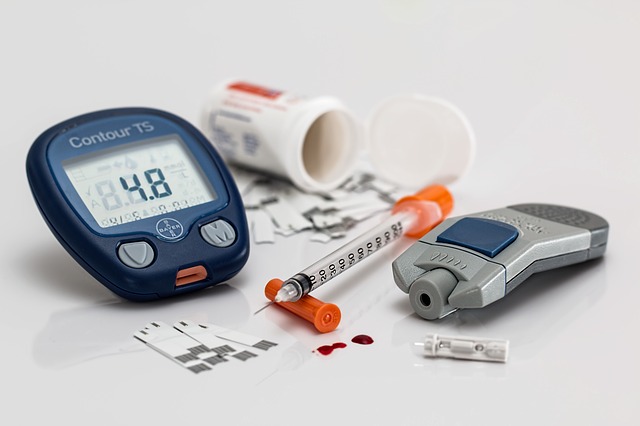
    UTIs and Diabetes

    People who have diabetes are at higher risk for UTIs because the high sugar (glucose) levels in the blood can result in high sugar levels in the urine and result in a good growth environment for bacteria. People who have diabetes often have an immune system that does not respond as well to infections. Diabetes can damage nerves that result in incomplete bladder emptying thus encouraging bacterial survival and retrograde infections.

    UTIs and Pregnancy

    Pregnancy increases the risk of UTIs; hormonal changes may alter normal urinary tract function and the expanding uterus may put pressure on both the bladder and ureters. The effect is to slow urine output and cause pregnant women to “hold or delay urination.” This results in favorable growth conditions for bacteria. UTIs may play a role in preterm labor so your doctor(s) should be informed if you suspect you have a UTI when pregnant.

    UTIs and Menopause

    During menopause, estrogen levels drop. Because estrogen provides some level of protection against UTIs, its reduction during menopause may make some women more susceptible to UTIs.

    UTIs and Hospital Stays

    During a hospital stay, many patients cannot get up to go to the bathroom and require a catheter (a tube put through the urethra into the bladder to allow urine to flow). Bacteria can enter the bladder through and around the catheter in some individuals. This problem is more frequent in people who have long hospital stays or are in long-term care facilities such as nursing homes.

    UTIs in the Elderly

    UTIs in the elderly are common in both men and women. Although they may have symptoms commonly associated with UTIs, often UTI symptoms in elderly individuals are different. They may show only symptoms of agitation, delirium, confusion and/or behavioral changes. The elderly are at higher risk of developing complications such as kidney infections or sepsis from UTIs.

    UTIs in Infants

    Changing a wet and/or soiled diaper is a good way to help prevent UTIs in children. In addition, wiping from front to back in both males and females also reduces the chances of developing UTIs. Like the elderly, infants and young children may develop classic UTI symptoms but are unable to communicate them to anyone. However, signs of UTI in children may include fever, odd-smelling urine, decreased food intake, vomiting, abdominal discomfort, and fussy behavior. Early treatment of UTIs in children helps prevent kidney damage.

    UTIs in Children

    About 1% of boys and 3% of girls have UTIs before puberty. Some of these children have structural problems in their urinary tracts that allow retrograde flow to easily occur thus giving bacteria an easy route to the kidneys. A pediatric urologist is usually consulted for evaluation and treatment. Other children may delay urination and some may not relax their muscles enough to completely empty their bladder. These children may be helped by increased fluid intake and encouraging more bathroom trips.

    UTI or Potty Training Problem?

    Potty training can be difficult for the child (and the adults). However, accidents are part of this training, so adults should expect them to happen and the child should be taught that accidents can happen and to not be upset if they do. Some children rebel (scream and cry) when potty training. Reassurance is useful, but not all children can be potty trained at one particular age. Some children may not be at the developmental stage for training while others are. Children often imitate other children's behavior. Seeing a closely-aged sibling or day-care friend use the potty and be praised for it has worked well for many children. A child’s rejection of potty training is not usually considered a sign of a UTI.

    UTI Prevention

    Prevention methods for UTIs have been presented in several preceding slides; here is a short summary of common and easy ways to prevent UTIs:

    • Drink a lot of water daily
    • Don't "put off" going to the restroom (don't delay urination)
    • Wipe from front to back
    • Don't use feminine hygiene sprays
    • Take showers instead of baths

    The Cranberry Connection

    Some studies suggest cranberry juice may help prevent UTIs because there is some evidence cranberry juice interferes with E.coli attaching to the bladder wall. Cranberry tablets or capsules may also accomplish this. However, there is no good evidence that indicates cranberries, in any form, can cure a UTI. People with a history of kidney stones should check with their doctor(s) before trying cranberry preparations as a preventive measure against UTIs.

    0 comment
    0
    Facebook Twitter Google + Pinterest
    explainingmedicine

    previous post
    Urinary Incontinence in Men: Products, Diet, & Lifestyle
    next post
    Thyroid: Common Thyroid Problems Explained

    Related Articles

    Nail Health: What Your Nails Say about Your Health

    October 14, 2016

    Anatomy of a Sore Throat: Distinguish Common Sore Throat From Strep

    October 14, 2016

    Exercise & Fitness: 7 Most Effective Exercises

    October 14, 2016

    Men’s Health: 15 Ways to Stay On Top of Your Game

    October 14, 2016

    Infectious Mononucleosis: Learn About the ‘Kissing Disease’ Caused by EBV

    October 14, 2016

    Bipolar Disorder: Do You Have Extreme Mood Shifts?

    October 14, 2016

    Celebrities With Migraines: See how they cope and relieve the pain

    October 14, 2016

    Celiac Disease: A Visual Guide to Celiac Disease

    October 14, 2016

    Diet and Weight Loss: Surprising Sources of Hidden Sugar

    October 14, 2016

    Exercise and Fitness: The Best Flat Abs Moves for Men

    October 14, 2016

    Recent Posts

    • Flu shot recommendation for kids dropped just as the illness rages

      January 12, 2026
    • The CDC just sidelined these childhood vaccines. Here’s what they prevent

      January 9, 2026
    • Your next primary care doctor could be online only, accessed through an AI tool

      January 9, 2026
    • In Lodge Grass, Montana, a Crow community works to rebuild from meth’s destruction

      January 8, 2026
    • RFK Jr.’s new dietary guidelines go all in on meat and dairy

      January 7, 2026

    Keep in touch

    Facebook Twitter Google + RSS

    Recent Posts

    • Flu shot recommendation for kids dropped just as the illness rages

      January 12, 2026
    • The CDC just sidelined these childhood vaccines. Here’s what they prevent

      January 9, 2026
    • Your next primary care doctor could be online only, accessed through an AI tool

      January 9, 2026
    • In Lodge Grass, Montana, a Crow community works to rebuild from meth’s destruction

      January 8, 2026
    • RFK Jr.’s new dietary guidelines go all in on meat and dairy

      January 7, 2026
    • Terms of Service
    • Privacy Policy

    @2026 - Explaining Medicine. All Right Reserved.


    Back To Top
    Explaining Medicine
    Proudly powered by WordPress Theme: soledad child.