Making Little Changes Can Make a Big Difference
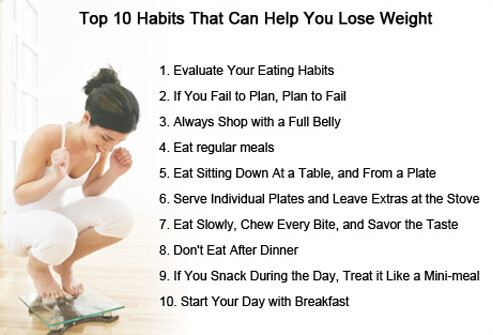
You can manage your weight – and even lose weight – with some simple small lifestyle changes. The following slides will discuss some simple changes you can make to get on the road to a healthy weight.
Be realistic about your eating habits. Are you a late-night snacker? Do you taste your food while cooking? Do you finish the kid's leftovers? Being aware of these behaviors and stopping them can save a lot of extra calories you probably won't miss.
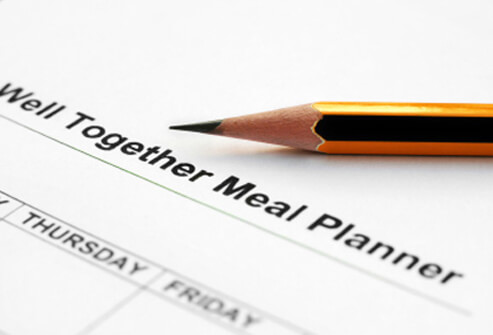
Have a strategy for what you will eat, and when. Plan your meals and snacks. Eat something nutritious and filling before a party where there will be junk food, or stash healthy snacks at work to avoid temptation.
You've heard this before: never shop for groceries when you are hungry. You are more likely to make impulse purchases of foods that are less healthy. Make a shopping list in advance and stick to it. Stock your pantry and refrigerator with lots of healthy foods so you won't be tempted by junk foods.
Eat regularly to help yourself feel full, to prevent drops in blood sugar, or binge snacking. Some people need the old-fashioned three square meals per day; others do better with six smaller meals. Figure out what works best for you.
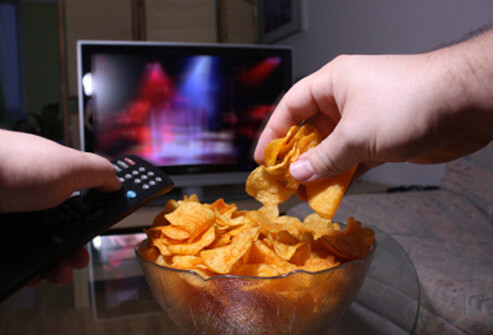
Don't eat out of packages, or while distracted by the phone, television, or computer. Sit down and make eating your only activity so you can focus on enjoying your food.
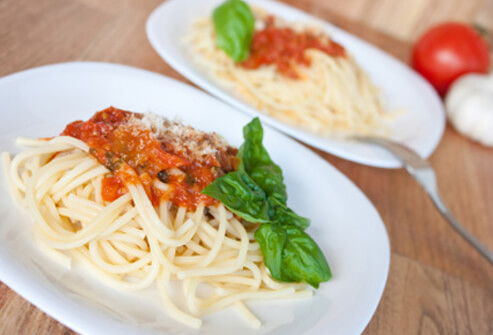
Take one serving at a time. Fill your plate with the desired portion, and take it to the table, leaving the bowls or pots in the kitchen where they will not tempt you. It can take about 20 minutes to feel full after you start eating. If you give yourself a second helping before that time you may overeat.
Slow down when you eat. Drink a sip of water in between each bite. Put your fork down when you are chewing. Make sure all food is chewed thoroughly. This helps get to that 20-minute mark when your brain will get the signal from your stomach to know you're full.
After-dinner snacking can pile on the pounds and usually the food choices are not healthy. Resist the urge to eat after dinner. Have a glass of water or other beverage without calories, or try a piece of sugar-free hard candy. Brush your teeth to minimize the urge to eat. Decide you will shut down the kitchen after dinner – sometimes having a set time the kitchen is "closed" can help you avoid raiding the pantry.
If you must snack during the day, opt for nutritious choices that include complex carbs and a small amount of protein. An apple with some peanut butter is a good example.
Breakfast is the most important meal of the day – we've all heard it. It's important because your body has been resting all night and it needs fuel to start your metabolism back up and give you energy for your day. You'll also be less hungry at the next meal.
Make these small changes to your habits and it can add up to large calorie savings and weight loss!