Explaining Medicine
  • News
  • Health & Lifestyle
    • Diet & Weight Management
    • Exercise & Fitness
    • Nutrition, Food & Recipes
    • Prevention & Wellness
  • Conditions
    • Custom1
      • Conditions A-Z
      • Procedures A-Z
      • Allergies
      • Alzheimer’s
      • Arthritis
      • Asthma
      • Blood Pressure
      • Cholesterol
      • Cancer
    • Custom2
      • Chronic Pain
      • Cold Flu
      • Depression
      • Diabetes
      • Digestion
      • Eyesight
      • Health Living
      • Healthy Kids
      • Hearing Ear
    • Custom3
      • Heart
      • HIV/AIDS
      • Infectious Disease
      • Lung Conditions
      • Menopause
      • Men’s Health
      • Mental Health
      • Migraine
      • Neurology
    • Custom4
      • Oral Health
      • Pregnancy
      • Senior Health
      • Sexual Health
      • Skin Problems
      • Sleep
      • Thyroid
      • Travel Health
      • Women’s Health
  • Medications
    • Medications
    • Supplements and Vitamins
  • Medical Dictionary
  • Health Alerts
Flu shot recommendation for kids dropped just as...
The CDC just sidelined these childhood vaccines. Here’s...
Your next primary care doctor could be online...
In Lodge Grass, Montana, a Crow community works...
RFK Jr.’s new dietary guidelines go all in...
More seniors are becoming homeless. Shelters are trying...
Health officials slash the number of vaccines recommended...
Wegovy obesity pill now available at pharmacies
In the U.S., hunger is often hidden. But...
One doctor’s experience shows the battle for the...
Top Posts

Explaining Medicine

  • News
  • Health & Lifestyle
    • Diet & Weight Management
    • Exercise & Fitness
    • Nutrition, Food & Recipes
    • Prevention & Wellness
  • Conditions
    • Custom1
      • Conditions A-Z
      • Procedures A-Z
      • Allergies
      • Alzheimer’s
      • Arthritis
      • Asthma
      • Blood Pressure
      • Cholesterol
      • Cancer
    • Custom2
      • Chronic Pain
      • Cold Flu
      • Depression
      • Diabetes
      • Digestion
      • Eyesight
      • Health Living
      • Healthy Kids
      • Hearing Ear
    • Custom3
      • Heart
      • HIV/AIDS
      • Infectious Disease
      • Lung Conditions
      • Menopause
      • Men’s Health
      • Mental Health
      • Migraine
      • Neurology
    • Custom4
      • Oral Health
      • Pregnancy
      • Senior Health
      • Sexual Health
      • Skin Problems
      • Sleep
      • Thyroid
      • Travel Health
      • Women’s Health
  • Medications
    • Medications
    • Supplements and Vitamins
  • Medical Dictionary
  • Health Alerts
  • Slideshows

    Whooping Cough: More on Pertussis & Whooping Cough Prevention

    by explainingmedicine October 14, 2016

    Whooping Cough Fast Facts

    A bacterium known as Bordetella pertussis causes “whooping cough”. The name refers to the whooping sound made upon breathing in during a prolonged coughing spell. This vaccine-preventable illness can be life-threatening to young children and even the elderly. In its early stages, it looks like the common cold, but then it develops into unrelenting coughing spells that often interfere with breathing. Whooping cough is also termed pertussis.

    Whooping cough is also known as the “100 day cough” because coughing fits can last up to 10 weeks. Whooping cough symptoms may not present themselves until 5 to 21 days after exposure to someone with whooping cough.
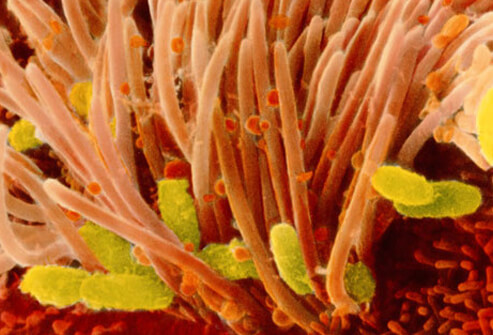

    Whooping Cough Is Highly Contagious

    Bordetella pertussis is considered an atypical bacterium that does not enter the bloodstream. It stays in the upper airways and interferes with the body's ability to clear airway secretions by infecting the cells needed for this function. It spreads easily from person to person and can often be mistaken for the common cold in the early phases of infection.

    If a person infected with Bordetella pertussis sneezes, laughs, or coughs, small droplets that contain the bacteria may fly through the air. A nearby person may breathe in the droplets and become infected. Once the bacteria is in the lungs, they attach to small hairs in the linings of the lungs. This leads to swelling and inflammation, causing a dry, long-lasting cough and other cold-like symptoms.

    Stopping Whooping Cough (Pertussis): Tdap Vaccine and More

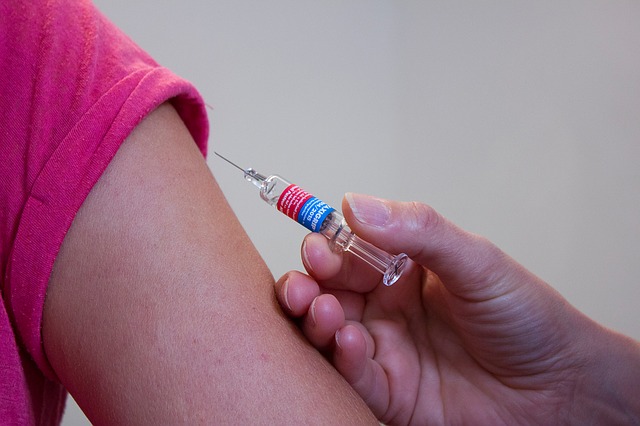
    Pertussis is a vaccine-preventable illness. Vaccination practices have decreased the deaths associated with whooping cough over the years. Immunization is the best way to prevent whooping cough. Two vaccines are available to prevent pertussis, the DTaP and Tdap vaccines. The DTaP is a vaccine that helps children younger than age 7 develop immunity to diphtheria, tetanus, and whooping cough (pertussis).The Tdap is a booster immunization given at age 11 that offers continued protection from the three listed diseases. The Tdap can also be given to adolescents and adults who have never been vaccinated.

    Stopping Whooping Cough (Pertussis) Contagion: Antibiotics

    The only sure way to prevent infection is through immunization; however, if you know you have been exposed to whooping cough and are likely to be infected, early treatment (within the first week) with the antibiotic erythromycin is effective in halting the progression of whooping cough.

    Antibiotic treatment is only effective in preventing the later stages of the infection if it is started during the very early stages of the disease. Erythromycin is also recommended as a way to prevent infection in those who have been in close contact with infected family members. While antibiotics started after the first couple of days of infection may not change the natural course of the illness, they should still be started to prevent the spread of whooping cough to others.

    Don't Spread Bordetella pertussis

    Pertussis is extremely contagious. If you think you have the infection, notify your doctor as soon as possible. The quicker you get treatment, the better the chance of preventing whooping cough's progression and spread. One simple preventive measure includes hand washing and "covering your cough," as recommended by the CDC. This simply means that if you are coughing and sneezing that you cough into your sleeve and not onto your hands. This is recommended as a way to prevent the flu, colds, and other respiratory illnesses.

    Vaccinate to Protect Your Baby

    All infants, children, adolescents, and even adults need to ensure that they are vaccinated appropriately. Infants are most at risk for severe, life-threatening complication from whooping cough. Unlike adults, infants are suggested to have five doses of DTaP, a vaccine for diphtheria, tetanus, and pertussis. Babies should have the DTaP vaccine at 2 months, 4 months, 6 months, 15-18 months, and 4-6 years.

    Babies should not get the DTaP vaccine if they are moderately or severely ill or had a life-threatening allergic reaction to the initial DTaP vaccine. Talk to your doctor if your child had the following reactions after a dose of DTaP:

    • Had a seizure or collapsed
    • Cried nonstop for three hours
    • Had a fever over 105 F

    Whooping Cough Tdap Vaccine for Teens and Children 7-10

    Children ages 7 through 10 who aren’t fully vaccinated, or have never been vaccinated, should get a single dose of the Tdap vaccine. Teens ages 13 through 18 should also get a single dose of Tdap if they have never been vaccinated, followed by a booster every 10 years.

    Get Your Own Boosters

    Older children and adults should also receive a pertussis booster, even if fully immunized as an infant and child. The antibodies created after immunization become less effective within six to ten years from the last dose. This recommendation was made after observing an increase in the number of severe cases of pertussis associated with exposure to infected and minimally symptomatic teenagers and adults.

    The Tdap vaccine is routinely recommended to all adults and is now given instead of the old tetanus booster (Td) that did not contain pertussis. Adults and adolescents usually have mild symptoms with pertussis infections but can often expose young infants and children who may not be completely protected by vaccination. Pregnant women should get a dose of Tdap during every pregnancy in order to protect the newborn from pertussis.

    Is Your Babysitter Vaccinated for Whooping Cough?

    It is suggested that anyone coming in close contact with your baby be vaccinated at least two weeks before exposure; this includes grandparents, siblings, and even babysitters. Infants and children have a much higher risk of being infected by whooping cough, which makes it even more important for caregivers to be up-to-date on their Tdap vaccine.

    0 comment
    0
    Facebook Twitter Google + Pinterest
    explainingmedicine

    previous post
    Home Health: Surprising Sources of Indoor Air Pollution
    next post
    Atrial Fibrillation: Visual Guidelines to Causes, Tests and Treatment

    Related Articles

    Better Sex After 50: Tips For A Healthier Sex Life

    October 14, 2016

    Men’s Diet: Worst Foods for Your Belly

    October 14, 2016

    Osteoarthritis: Stay Active With Kids and Don’t Let Arthritis Stop You

    October 15, 2016

    Pet Health: What You Need to Know About Fleas & Ticks

    October 14, 2016

    Depression: Tips for Exercise Diet and Stress Reduction

    October 14, 2016

    Male Health: Foods to Boost Male Health

    October 14, 2016

    Restless Legs Syndrome: Home Remedies for RLS and Better Sleep

    October 14, 2016

    Multiple Sclerosis: Famous Faces of MS

    October 14, 2016

    Vitamin D: Do You Need a Vitamin D Supplement?

    October 14, 2016

    Summer Skin Hazards: Stay Safe This Summer

    October 14, 2016

    Recent Posts

    • Flu shot recommendation for kids dropped just as the illness rages

      January 12, 2026
    • The CDC just sidelined these childhood vaccines. Here’s what they prevent

      January 9, 2026
    • Your next primary care doctor could be online only, accessed through an AI tool

      January 9, 2026
    • In Lodge Grass, Montana, a Crow community works to rebuild from meth’s destruction

      January 8, 2026
    • RFK Jr.’s new dietary guidelines go all in on meat and dairy

      January 7, 2026

    Keep in touch

    Facebook Twitter Google + RSS

    Recent Posts

    • Flu shot recommendation for kids dropped just as the illness rages

      January 12, 2026
    • The CDC just sidelined these childhood vaccines. Here’s what they prevent

      January 9, 2026
    • Your next primary care doctor could be online only, accessed through an AI tool

      January 9, 2026
    • In Lodge Grass, Montana, a Crow community works to rebuild from meth’s destruction

      January 8, 2026
    • RFK Jr.’s new dietary guidelines go all in on meat and dairy

      January 7, 2026
    • Terms of Service
    • Privacy Policy

    @2026 - Explaining Medicine. All Right Reserved.


    Back To Top
    Explaining Medicine
    Proudly powered by WordPress Theme: soledad child.