Explaining Medicine
  • News
  • Health & Lifestyle
    • Diet & Weight Management
    • Exercise & Fitness
    • Nutrition, Food & Recipes
    • Prevention & Wellness
  • Conditions
    • Custom1
      • Conditions A-Z
      • Procedures A-Z
      • Allergies
      • Alzheimer’s
      • Arthritis
      • Asthma
      • Blood Pressure
      • Cholesterol
      • Cancer
    • Custom2
      • Chronic Pain
      • Cold Flu
      • Depression
      • Diabetes
      • Digestion
      • Eyesight
      • Health Living
      • Healthy Kids
      • Hearing Ear
    • Custom3
      • Heart
      • HIV/AIDS
      • Infectious Disease
      • Lung Conditions
      • Menopause
      • Men’s Health
      • Mental Health
      • Migraine
      • Neurology
    • Custom4
      • Oral Health
      • Pregnancy
      • Senior Health
      • Sexual Health
      • Skin Problems
      • Sleep
      • Thyroid
      • Travel Health
      • Women’s Health
  • Medications
    • Medications
    • Supplements and Vitamins
  • Medical Dictionary
  • Health Alerts
Flu shot recommendation for kids dropped just as...
The CDC just sidelined these childhood vaccines. Here’s...
Your next primary care doctor could be online...
In Lodge Grass, Montana, a Crow community works...
RFK Jr.’s new dietary guidelines go all in...
More seniors are becoming homeless. Shelters are trying...
Health officials slash the number of vaccines recommended...
Wegovy obesity pill now available at pharmacies
In the U.S., hunger is often hidden. But...
One doctor’s experience shows the battle for the...
Top Posts

Explaining Medicine

  • News
  • Health & Lifestyle
    • Diet & Weight Management
    • Exercise & Fitness
    • Nutrition, Food & Recipes
    • Prevention & Wellness
  • Conditions
    • Custom1
      • Conditions A-Z
      • Procedures A-Z
      • Allergies
      • Alzheimer’s
      • Arthritis
      • Asthma
      • Blood Pressure
      • Cholesterol
      • Cancer
    • Custom2
      • Chronic Pain
      • Cold Flu
      • Depression
      • Diabetes
      • Digestion
      • Eyesight
      • Health Living
      • Healthy Kids
      • Hearing Ear
    • Custom3
      • Heart
      • HIV/AIDS
      • Infectious Disease
      • Lung Conditions
      • Menopause
      • Men’s Health
      • Mental Health
      • Migraine
      • Neurology
    • Custom4
      • Oral Health
      • Pregnancy
      • Senior Health
      • Sexual Health
      • Skin Problems
      • Sleep
      • Thyroid
      • Travel Health
      • Women’s Health
  • Medications
    • Medications
    • Supplements and Vitamins
  • Medical Dictionary
  • Health Alerts
  • Slideshows

    Acne: Acne Visual Dictionary

    by explainingmedicine October 14, 2016

    Acne Vulgaris

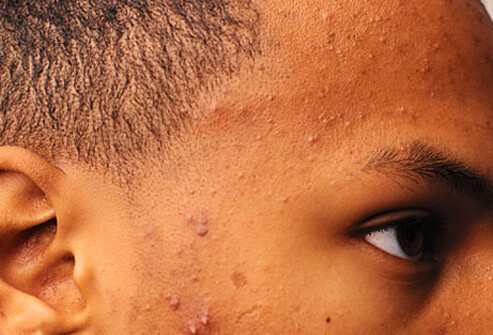
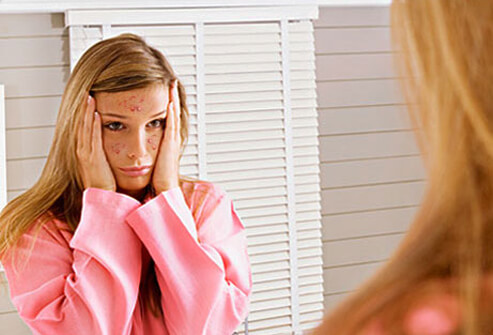
    Acne vulgaris is the medical name for common acne -- the presence of blackheads, whiteheads, and other types of pimples on the skin. The most common spots for breakouts are the face, chest, shoulders, and back. Although mild acne may improve with over-the-counter treatments, more severe forms should be treated by a dermatologist.
    Comedones

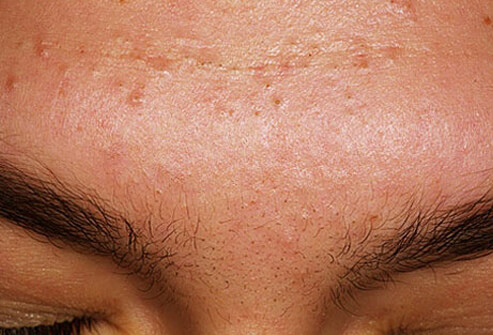
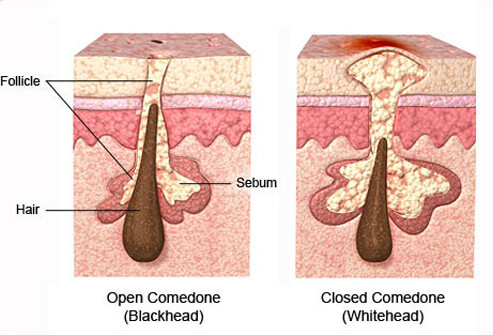
    A comedo, or basic acne lesion, is a hair follicle that has become clogged with oil and dead skin cells. Comedones (the plural of comedo) can develop into bumps called whiteheads and blackheads. Products that may trigger comedones are called "comedogenic." Makeup labeled "noncomedogenic" is less likely to clog pores and contribute to acne.

    Blackheads

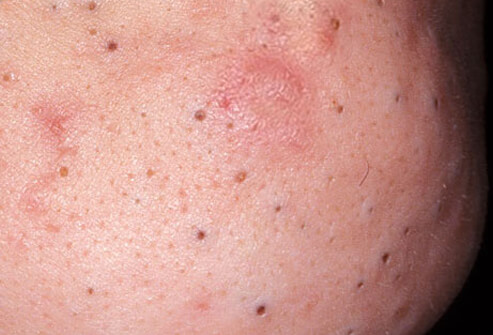
    Blackheads are comedones that are open at the surface of the skin. They are filled with excess oil and dead skin cells. It's not dirt that causes the comedone to turn black. The oil's reaction to air causes the black color. Blackheads can frequently be treated with over-the-counter medications.

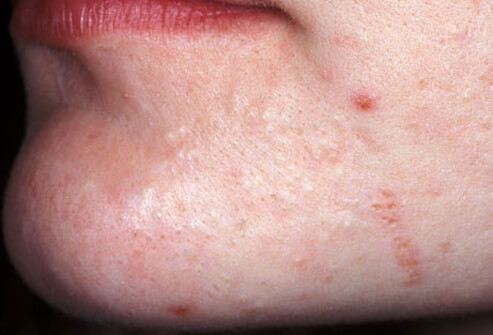
    Whiteheads

    Comedones that stay closed at the surface of the skin are called whiteheads. This happens when oil and skin cells prevent a clogged hair follicle from opening. Many of the same over-the-counter medicines that treat blackheads are also effective against whiteheads.

    Papules

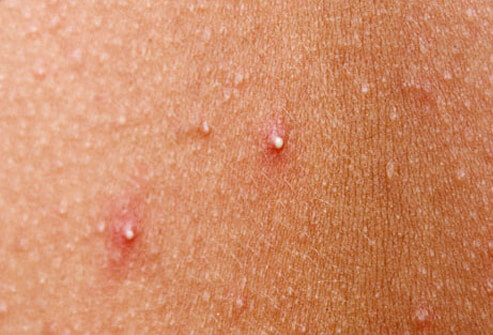
    Papules are comedones that become inflamed, forming small red or pink bumps on the skin. This type of pimple may be sensitive to the touch. Picking or squeezing can make the inflammation worse and may lead to scarring. A large number of papules may indicate moderate to severe acne.

    Pustules

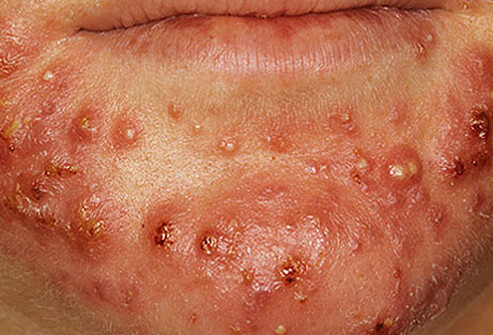
    Pustules are another kind of inflamed pimple. They resemble a whitehead with a red ring around the bump. The bump is typically filled with white or yellow pus. Avoid picking or squeezing pustules. Picking can cause scars or dark spots to develop on the skin.

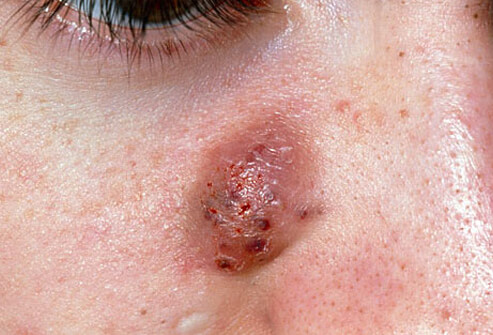
    Nodules

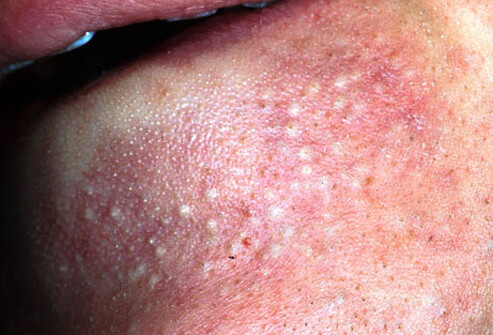
    Nodules are large, inflamed bumps that feel firm to the touch. They develop deep within the skin and are often painful. Nodules should be treated by a dermatologist. Over-the-counter treatments may not be powerful enough to clear them up, but prescription drugs can be effective.
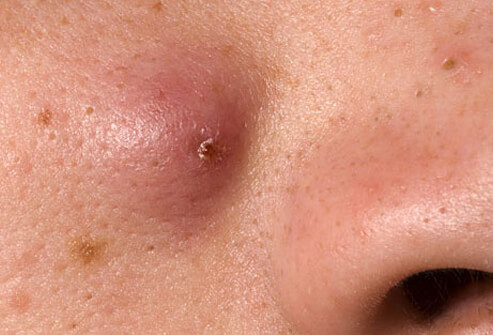
    Cysts

    Cysts are large, pus-filled lesions that look similar to boils. Like nodules, cysts can be painful and should be treated by a dermatologist. People who develop nodules and cysts are usually considered to have a more severe form of acne.
    Mild Acne

    Acne falls into the "mild" category if you have fewer than 20 whiteheads or blackheads, fewer than 15 inflamed bumps, or fewer than 30 total lesions. Mild acne is usually treated with over-the-counter topical medicine. It may take up to eight weeks to see a significant improvement.

    Moderate Acne

    If you have 20 to 100 whiteheads or blackheads, 15 to 50 inflamed bumps, or 30 to 125 total lesions, your acne is considered moderate. Dermatologists usually recommend prescription medication for moderate to severe acne. It may take several weeks to notice an improvement, and your acne may appear to get worse before it gets better.

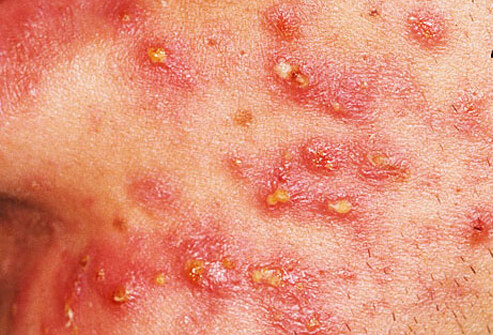
    Severe Nodulocystic Acne

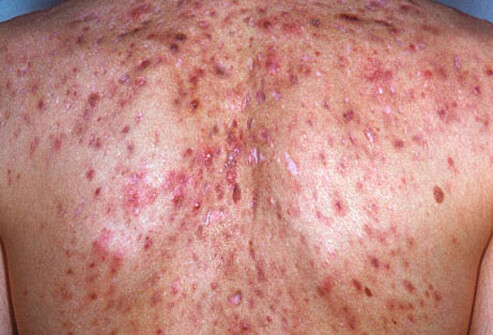
    People with severe nodulocystic acne have multiple inflamed cysts and nodules. The acne may turn deep red or purple. It often leaves scars. Prompt treatment by a dermatologist can minimize scarring. In some cases, a doctor may inject corticosteroids directly into nodules and cysts to reduce the size and painful inflammation.

    Acne Conglobata

    Acne conglobata is one of the most severe forms of acne. It involves many inflamed nodules that are connected under the skin to other nodules. It can affect the neck, chest, arms, and buttocks. It often leaves scars. This type of acne is more common in men and is sometimes caused by taking steroids or testosterone. Timely treatment by a dermatologist is essential.

    Acne Mechanica

    Acne mechanica is caused by heat, friction, and pressure against the skin, often the result of wearing sports gear such as a helmet or baseball cap. It is sometimes called "sports-induced acne" because it occurs frequently in athletes. Preventive measures include wearing an absorbent material under sports equipment and showering immediately after activity.

    Topical Therapy

    Topical therapy is acne medication that is applied directly to the skin, like gels or creams. Over-the-counter topical products can often help mild acne. They may contain ingredients like benzoyl peroxide, resorcinol, salicylic acid, or sulfur. Prescription products such as antimicrobial or retinoid creams can treat mild to moderately severe acne. These can be prescribed alone or in combination with other ingredients.

    Systemic Therapy

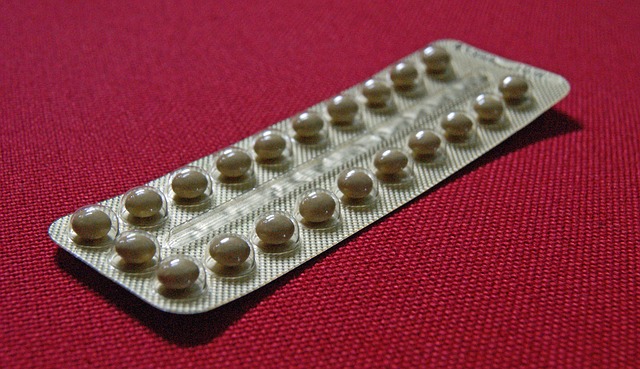
    Systemic therapy refers to acne medication that is taken by mouth. Antibiotics like tetracycline, minocycline, doxycycline, or erythromycin may treat moderate to severe acne by targeting bacteria and reducing inflammation. Other systemic therapies include oral contraceptives, which can reduce acne in some women, spironolactone, an anti-androgen hormone pill, and isotretinoin (high-dose prescription vitamin A). Isotretinoin is used only in certain severe, cystic acne cases, or in cases where other treatments don't work. A course of isotretinoin treatment requires regular appointments with your dermatologist.

    0 comment
    0
    Facebook Twitter Google + Pinterest
    explainingmedicine

    previous post
    Pregnancy: What Not to Eat When Pregnant
    next post
    Bad Bugs: Identify Bugs and Their Bites

    Related Articles

    Dental Health: Tips for Beautiful Teeth and Gums

    October 14, 2016

    Endometriosis: Symptoms, Stages, Treatment

    October 15, 2016

    Prescription Drug Abuse: Statistics, Facts, and Symptoms

    October 14, 2016

    Salt Shockers: High-Sodium Surprises

    October 14, 2016

    Parenting: How to Diaper Your Baby

    October 14, 2016

    Women’s Hair Loss: Thinning Hair Causes, Treatments and Solutions

    October 14, 2016

    Crohn’s Disease: Symptoms, Causes and Treatment

    October 14, 2016

    Pain Management: 10 Daily Habits to Reduce Chronic Pain

    October 14, 2016

    Multiple Sclerosis: Diagnosing Multiple Sclerosis (MS)

    October 14, 2016

    Multiple Sclerosis: Making an MS Friendly Home

    October 14, 2016

    Recent Posts

    • Flu shot recommendation for kids dropped just as the illness rages

      January 12, 2026
    • The CDC just sidelined these childhood vaccines. Here’s what they prevent

      January 9, 2026
    • Your next primary care doctor could be online only, accessed through an AI tool

      January 9, 2026
    • In Lodge Grass, Montana, a Crow community works to rebuild from meth’s destruction

      January 8, 2026
    • RFK Jr.’s new dietary guidelines go all in on meat and dairy

      January 7, 2026

    Keep in touch

    Facebook Twitter Google + RSS

    Recent Posts

    • Flu shot recommendation for kids dropped just as the illness rages

      January 12, 2026
    • The CDC just sidelined these childhood vaccines. Here’s what they prevent

      January 9, 2026
    • Your next primary care doctor could be online only, accessed through an AI tool

      January 9, 2026
    • In Lodge Grass, Montana, a Crow community works to rebuild from meth’s destruction

      January 8, 2026
    • RFK Jr.’s new dietary guidelines go all in on meat and dairy

      January 7, 2026
    • Terms of Service
    • Privacy Policy

    @2026 - Explaining Medicine. All Right Reserved.


    Back To Top
    Explaining Medicine
    Proudly powered by WordPress Theme: soledad child.