Explaining Medicine
  • News
  • Health & Lifestyle
    • Diet & Weight Management
    • Exercise & Fitness
    • Nutrition, Food & Recipes
    • Prevention & Wellness
  • Conditions
    • Custom1
      • Conditions A-Z
      • Procedures A-Z
      • Allergies
      • Alzheimer’s
      • Arthritis
      • Asthma
      • Blood Pressure
      • Cholesterol
      • Cancer
    • Custom2
      • Chronic Pain
      • Cold Flu
      • Depression
      • Diabetes
      • Digestion
      • Eyesight
      • Health Living
      • Healthy Kids
      • Hearing Ear
    • Custom3
      • Heart
      • HIV/AIDS
      • Infectious Disease
      • Lung Conditions
      • Menopause
      • Men’s Health
      • Mental Health
      • Migraine
      • Neurology
    • Custom4
      • Oral Health
      • Pregnancy
      • Senior Health
      • Sexual Health
      • Skin Problems
      • Sleep
      • Thyroid
      • Travel Health
      • Women’s Health
  • Medications
    • Medications
    • Supplements and Vitamins
  • Medical Dictionary
  • Health Alerts
Flu shot recommendation for kids dropped just as...
The CDC just sidelined these childhood vaccines. Here’s...
Your next primary care doctor could be online...
In Lodge Grass, Montana, a Crow community works...
RFK Jr.’s new dietary guidelines go all in...
More seniors are becoming homeless. Shelters are trying...
Health officials slash the number of vaccines recommended...
Wegovy obesity pill now available at pharmacies
In the U.S., hunger is often hidden. But...
One doctor’s experience shows the battle for the...
Top Posts

Explaining Medicine

  • News
  • Health & Lifestyle
    • Diet & Weight Management
    • Exercise & Fitness
    • Nutrition, Food & Recipes
    • Prevention & Wellness
  • Conditions
    • Custom1
      • Conditions A-Z
      • Procedures A-Z
      • Allergies
      • Alzheimer’s
      • Arthritis
      • Asthma
      • Blood Pressure
      • Cholesterol
      • Cancer
    • Custom2
      • Chronic Pain
      • Cold Flu
      • Depression
      • Diabetes
      • Digestion
      • Eyesight
      • Health Living
      • Healthy Kids
      • Hearing Ear
    • Custom3
      • Heart
      • HIV/AIDS
      • Infectious Disease
      • Lung Conditions
      • Menopause
      • Men’s Health
      • Mental Health
      • Migraine
      • Neurology
    • Custom4
      • Oral Health
      • Pregnancy
      • Senior Health
      • Sexual Health
      • Skin Problems
      • Sleep
      • Thyroid
      • Travel Health
      • Women’s Health
  • Medications
    • Medications
    • Supplements and Vitamins
  • Medical Dictionary
  • Health Alerts
  • Slideshows

    Asthma: An Inflammatory Disorder of the Airways

    by explainingmedicine October 14, 2016

    What Is Asthma?

    Asthma is a chronic lung disorder that can make breathing difficult. It causes inflammation, swelling, and narrowing of the airways (bronchial tubes).

    Chronically inflamed bronchial tubes become very sensitive to inhaled allergens or irritants such as pollen, pollution, tobacco smoke, or triggers such as exercise.


    The Scope of the Problem

    About 25 million people in the U.S have asthma; 7 million of those are children. Asthma causes over 14 million visits to doctors each year and nearly 2 million visits to emergency departments. Over 3,300 people die each year from asthma.

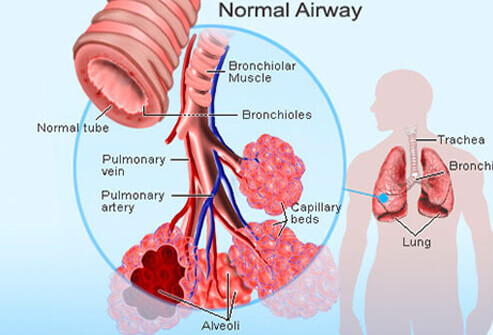
    Normal Bronchial Tubes

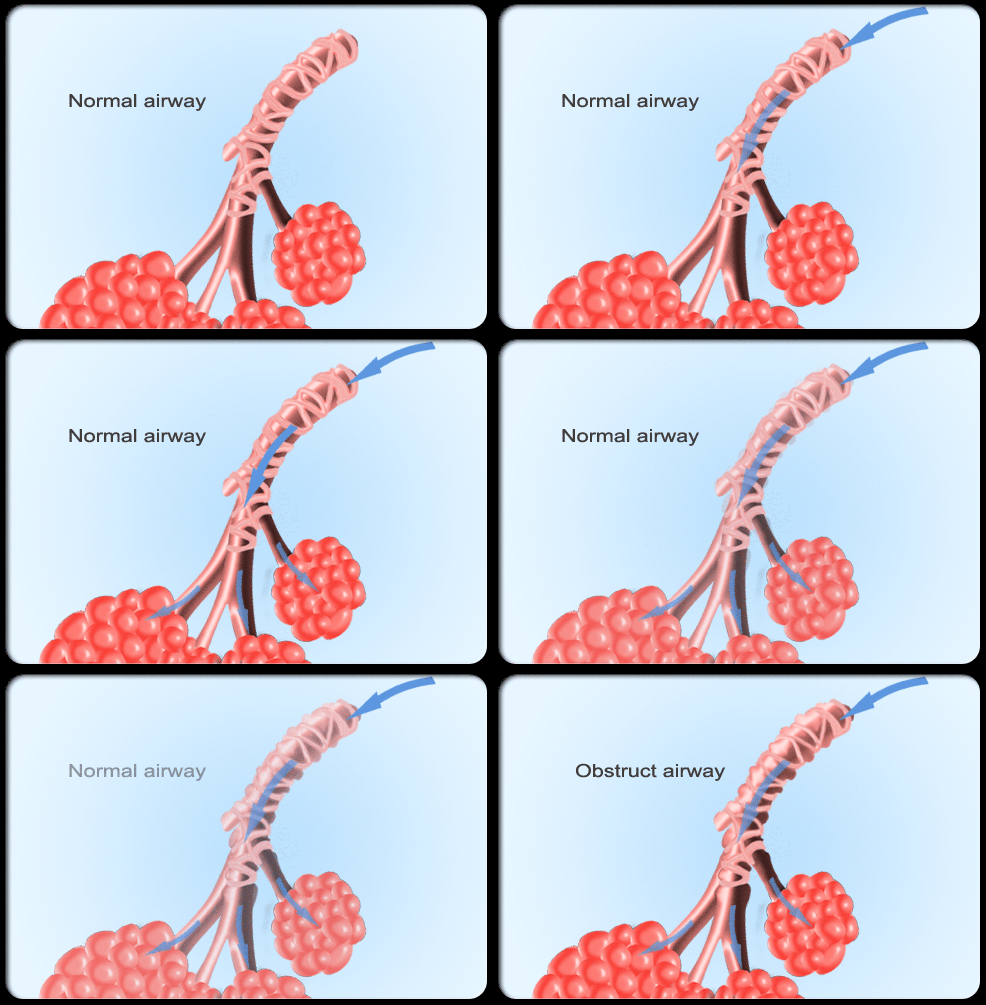
    When we inhale, air passes into our windpipe (trachea), our diaphragm contracts and moves downward creating air space in our chest cavity. The air enters the lungs, passing through the bronchial tubes and finally to the air sacs (alveoli). Oxygen from the air passes from the alveoli and into the bloodstream through the tiny blood vessels called capillaries. The capillaries deliver this oxygen-rich blood to your pulmonary vein, which goes to the left side of the heart. Your heart then pumps the oxygen-rich blood to the rest of the body. When you exhale, air that is rich in carbon dioxide (CO2) passes out of your lungs, through the windpipe, and out your nose or mouth.

    How Does Asthma Affect Breathing?

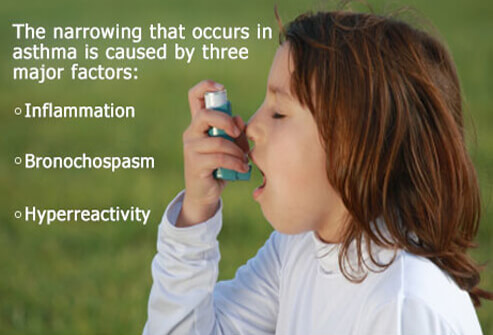
    When a person has asthma, the airways become inflamed and sensitive. This swelling narrows the airways, making breathing difficult. Three factors: inflammation, bronchospasm, and hyperreactivity cause this narrowing and will be discussed in the following slides.

    Inflammation

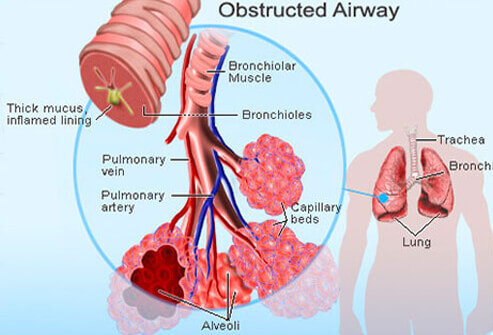
    Inflammation that airways (bronchial tubes) swollen and sensitive is the main factor that causes them to narrow. Inflamed bronchial tubes result in a smaller space for air to pass through. In addition, the muscles surrounding the airways may tighten, further narrowing the space for airflow.

    When the airways react they can also produce more mucus, which is a sticky and thick liquid substance that can clump together and even further narrow air passages. On top of that certain allergy and inflammation cells (eosinophils and white blood cells) accumulate at the site of the inflammation, causing tissue damage and even further narrowing airways.

    This chain reaction can result in difficulty breathing and asthma symptoms.

    Bronchospasm

    During an asthma attack, people may experience bronchospasm, where the muscles surrounding the airways (bronchial tubes) tighten and further narrow the airways. Cough and wheezing may be symptoms of bronchospasm, and bronchospasm can occur when the airways are irritated by cold air.

    Hyperreactivity (Hypersensitivity)

    People with asthma may become hyperreactive, or sensitive, to certain inhaled allergens or irritants. These are called triggers, and these triggers can cause even more inflammation and narrowing of the airways.

    Which Triggers Cause an Asthma Attack?

    Things that can cause an asthma attack are referred to as "triggers." Not everyone with asthma has the same triggers. People with asthma need to learn what their triggers are so they can manage or avoid them.

    Allergens

    Asthma triggers include allergens such as:

    • pollen
    • dust
    • mold
    • pets
    • common foods including peanuts, egg, dairy, soy, and fish
    • sulfites
    • latex

    Irritants

    Asthma triggers include irritants such as:

    • tobacco smoke
    • viral upper respiratory infections
    • environmental pollutants such as smog or vehicle fumes
    • indoor irritants such as perfumes, detergents, and paints
    • exercise
    • work-related exposure to chemicals, dusts, and gases
    • drugs such as aspirin or NSAIDs (nonsteroidal anti-inflammatory drugs), and beta-blockers
    • GERD (gastroesophageal reflux disorder)

    Who Can Develop Asthma?

    Asthma seems to be caused by both hereditary (genetic) and environmental factors. While asthma can develop at any age, it tends to most commonly start in children age 2-6 years. At this age, asthma is triggered by allergens such as dust mites, tobacco smoke, and viral upper respiratory infections

    Adults can also develop asthma, and only about 30% of the triggers are related to allergies such as to pets, mold, dust, or perfumes. Risk factors for adult-onset asthma include being female, obesity, hormonal fluctuations such as those experienced during or after pregnancy or menopause, and viral or other infections.

    Types of Asthma: Allergic (Extrinsic)

    Allergic, or extrinsic, asthma is that which is triggered by an allergic reaction. It is an immune system response to an irritant. This is the most common form of asthma, affecting more than half of all sufferers. It can often be managed with medication.

    Types of Asthma: Non-allergic (Intrinsic)

    Non-allergic, or intrinsic, asthma is caused by factors other than allergies, such as exercise, stress or anxiety, inhaling cold air, smoke, viral infections, and other irritants. This type of asthma is less common, it develops more often in adults, and is more difficult to treat than allergic (extrinsic) asthma.

    Symptoms and Signs of Asthma

    Symptoms of asthma, both allergic and non-allergic, include:

    • Shortness of breath
    • Wheezing
    • Coughing
    • Chest tightness

    Not everyone with asthma will experience all symptoms and the severity of symptoms can vary depending on the individual, and even in an individual may vary over time.

    How Is Asthma Classified?

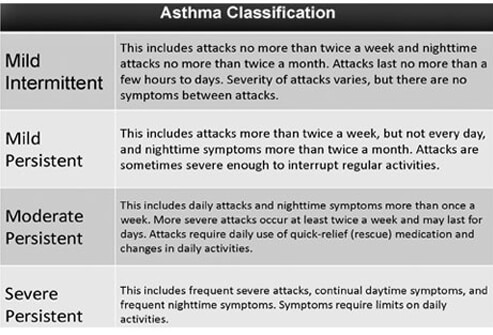
    The National Asthma Education and Prevention Program classifies asthma into four categories, determined by the patient's symptoms and lung function tests:

    • Intermittent
    • Mild persistent
    • Moderate persistent
    • Severe persistent

    Acute Asthma Attack

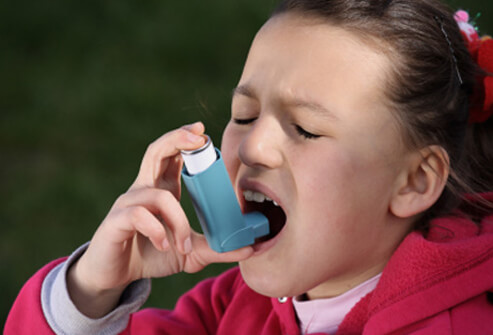
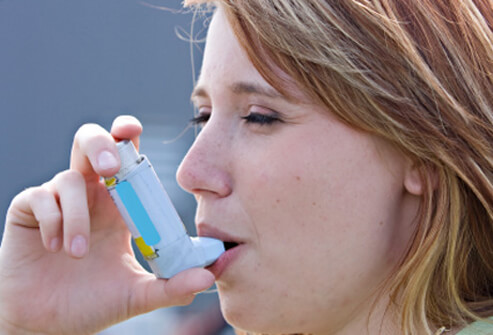
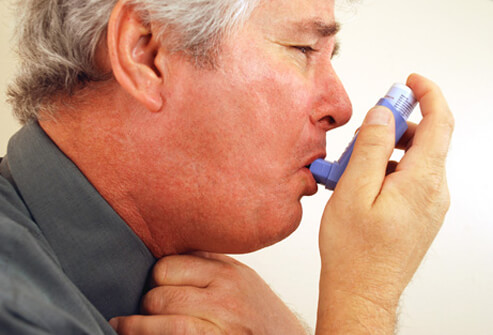
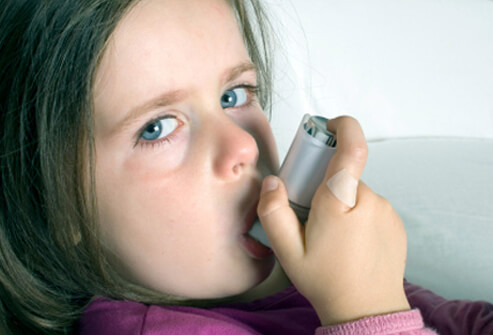
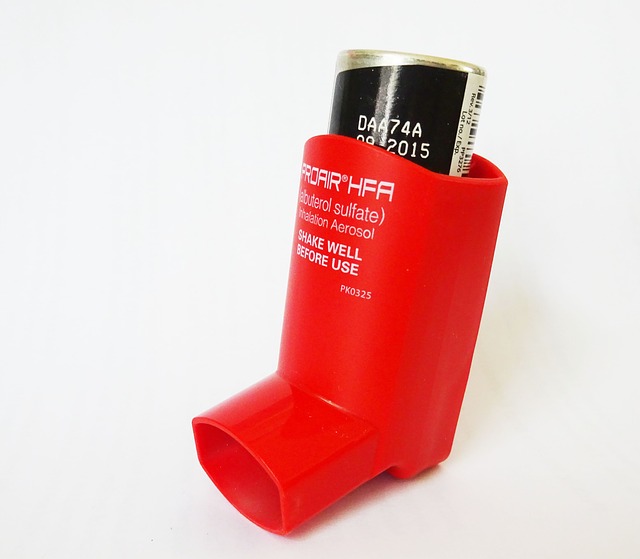
    An "asthma attack" is an acute worsening of asthma symptoms. During an acute asthma attack, there is inflammation, bronchospasm, and mucus produced, leading to symptoms such as difficulty breathing, shortness of breath, wheezing, coughing, and even interference with daily activities. Many times asthma attacks can be controlled with inhalers (inhaled bronchodilators). If that does not work, the patient should call 911 or be taken to an emergency room immediately. When patients do not respond to initial treatment it can result in a life-threatening reaction called status asthmaticus.

    Asthma Exams and Tests

    To diagnose asthma, first a doctor will take a history and do a physical exam. Tests may be performed such as:

    • lung (pulmonary) function tests including a spirometer, or peak flow meter to measure lung function
    • blood tests to measure levels of IgE, antibodies that are released during allergic reactions
    • bronchoprovocation to measure how sensitive your airways are
    • tests to rule out other conditions such as reflux disease or sleep apnea
    • chest x-rays or EKG to find out if a foreign object or another condition is causing your symptoms

    Medical Treatment of Asthma

    Asthma medications are classified as either for long-term control, or quick relief. Most are inhaled rather than taken in tablet or liquid form, to act directly on the airways where the breathing problems start.

    Long-term control medications include:

    • Inhaled corticosteroids
    • Cromolyn, taken using a nebulizer
    • Omalizumab (anti-IgE), given as an injection
    • Inhaled short-acting beta2-agonists
    • Leukotriene modifiers, taken by mouth
    • Theophylline, taken by mouth

    Quick-relief medications include:

    • Inhaled long-acting beta2-agonists

    Asthma At A Glance

    • Asthma is a chronic lung disorder that can make breathing difficult. It causes inflammation, swelling, and narrowing of the airways (bronchial tubes).
    • About 25 million people in the U.S have asthma; 7 million of those are children.
    • Asthma involves narrowing of the airways caused by three major factors: inflammation, bronchospasm, and hyperreactivity.
    • Allergy plays a role in some, but not all, asthma patients.
    • Allergens and irritants can cause asthma attacks.
    • Asthma symptoms include shortness of breath,
    • Asthma is diagnosed based physical exam, patient history, and confirmed with breathing tests.
    • The best way to manage asthma is to try to avoid triggers such as allergens or irritants.
    • Medications can reverse or prevent bronchospasm in patients with asthma.
    0 comment
    0
    Facebook Twitter Google + Pinterest
    explainingmedicine

    previous post
    Lupus: Symptoms, Rash, and Treatment
    next post
    Bronchitis: Symptoms and Treatments

    Related Articles

    Fetal Development: Take a Peek Inside the Womb Month by Month

    October 14, 2016

    Weight Control and Smoking Cessation: How to Avoid Weight Gain While Quitting

    October 14, 2016

    Binge Eating Disorder: Causes, Symptoms, Treatment, Recovery

    October 14, 2016

    First Aid: Caring for Wounds

    October 14, 2016

    Healthy Eating: The 10 Worst Foods in Your Fridge

    October 14, 2016

    MRSA: How Much Do You Know About This “Superbug”?

    October 14, 2016

    Sexual Health: Your Sex Life After Baby

    October 14, 2016

    Physicians: What Kind of Doctor Do I Need?

    October 15, 2016

    Eye Diseases: Recognize These Common Eye Conditions

    October 14, 2016

    Psoriasis Rash: What Does Psoriasis Look Like?

    October 14, 2016

    Recent Posts

    • Flu shot recommendation for kids dropped just as the illness rages

      January 12, 2026
    • The CDC just sidelined these childhood vaccines. Here’s what they prevent

      January 9, 2026
    • Your next primary care doctor could be online only, accessed through an AI tool

      January 9, 2026
    • In Lodge Grass, Montana, a Crow community works to rebuild from meth’s destruction

      January 8, 2026
    • RFK Jr.’s new dietary guidelines go all in on meat and dairy

      January 7, 2026

    Keep in touch

    Facebook Twitter Google + RSS

    Recent Posts

    • Flu shot recommendation for kids dropped just as the illness rages

      January 12, 2026
    • The CDC just sidelined these childhood vaccines. Here’s what they prevent

      January 9, 2026
    • Your next primary care doctor could be online only, accessed through an AI tool

      January 9, 2026
    • In Lodge Grass, Montana, a Crow community works to rebuild from meth’s destruction

      January 8, 2026
    • RFK Jr.’s new dietary guidelines go all in on meat and dairy

      January 7, 2026
    • Terms of Service
    • Privacy Policy

    @2026 - Explaining Medicine. All Right Reserved.


    Back To Top
    Explaining Medicine
    Proudly powered by WordPress Theme: soledad child.