Explaining Medicine
  • News
  • Health & Lifestyle
    • Diet & Weight Management
    • Exercise & Fitness
    • Nutrition, Food & Recipes
    • Prevention & Wellness
  • Conditions
    • Custom1
      • Conditions A-Z
      • Procedures A-Z
      • Allergies
      • Alzheimer’s
      • Arthritis
      • Asthma
      • Blood Pressure
      • Cholesterol
      • Cancer
    • Custom2
      • Chronic Pain
      • Cold Flu
      • Depression
      • Diabetes
      • Digestion
      • Eyesight
      • Health Living
      • Healthy Kids
      • Hearing Ear
    • Custom3
      • Heart
      • HIV/AIDS
      • Infectious Disease
      • Lung Conditions
      • Menopause
      • Men’s Health
      • Mental Health
      • Migraine
      • Neurology
    • Custom4
      • Oral Health
      • Pregnancy
      • Senior Health
      • Sexual Health
      • Skin Problems
      • Sleep
      • Thyroid
      • Travel Health
      • Women’s Health
  • Medications
    • Medications
    • Supplements and Vitamins
  • Medical Dictionary
  • Health Alerts
Flu shot recommendation for kids dropped just as...
The CDC just sidelined these childhood vaccines. Here’s...
Your next primary care doctor could be online...
In Lodge Grass, Montana, a Crow community works...
RFK Jr.’s new dietary guidelines go all in...
More seniors are becoming homeless. Shelters are trying...
Health officials slash the number of vaccines recommended...
Wegovy obesity pill now available at pharmacies
In the U.S., hunger is often hidden. But...
One doctor’s experience shows the battle for the...
Top Posts

Explaining Medicine

  • News
  • Health & Lifestyle
    • Diet & Weight Management
    • Exercise & Fitness
    • Nutrition, Food & Recipes
    • Prevention & Wellness
  • Conditions
    • Custom1
      • Conditions A-Z
      • Procedures A-Z
      • Allergies
      • Alzheimer’s
      • Arthritis
      • Asthma
      • Blood Pressure
      • Cholesterol
      • Cancer
    • Custom2
      • Chronic Pain
      • Cold Flu
      • Depression
      • Diabetes
      • Digestion
      • Eyesight
      • Health Living
      • Healthy Kids
      • Hearing Ear
    • Custom3
      • Heart
      • HIV/AIDS
      • Infectious Disease
      • Lung Conditions
      • Menopause
      • Men’s Health
      • Mental Health
      • Migraine
      • Neurology
    • Custom4
      • Oral Health
      • Pregnancy
      • Senior Health
      • Sexual Health
      • Skin Problems
      • Sleep
      • Thyroid
      • Travel Health
      • Women’s Health
  • Medications
    • Medications
    • Supplements and Vitamins
  • Medical Dictionary
  • Health Alerts
  • Slideshows

    Binge Eating Disorder: Causes, Symptoms, Treatment, Recovery

    by explainingmedicine October 14, 2016

    What Is Binge Eating Disorder?

    Binge eating disorder isn't the same as occasional overeating. Plenty of people eat too much once in a while. Who hasn’t had a stomachache after a huge Thanksgiving dinner? People with this eating disorder, though, feel compelled to do so on a regular basis -- at least once a week over a period of 3 months or longer.


    Feeling Distressed

    People who have binge eating disorder feel they can't control how much or even what they're eating. They often eat alone, until they feel sick, or when they’re not hungry. Guilt, shame, disgust, or sadness come after the binge. People may feel so embarrassed about their behavior that they go out of their way to hide it from friends and family.

    It's Different From Bulimia

    Bulimia and binge eating disorder aren't the same, although they share some symptoms. People with bulimia also regularly overeat, and they may feel the same negative emotions, such as a loss of control, shame, or guilt. The key difference is that people with bulimia "purge" afterward. They might make themselves vomit, use laxatives or diuretics, or exercise too much. Purging is not part of binge eating disorder.

    Who Is at Risk?

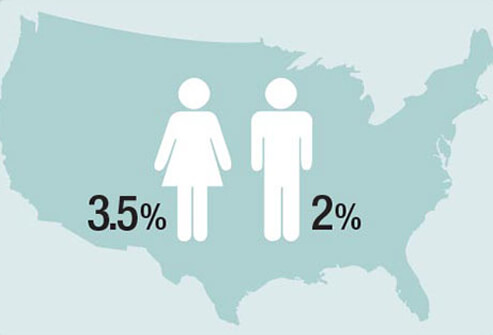
    Anyone can develop binge eating disorder, regardless of race, sex, age, or weight. It’s believed to be the most common eating disorder in the U.S. Although women are slightly more likely to have it, men can also get it. More than 6 million Americans -- 2% of men and 3.5% of women -- will have this condition at some point in their lives. Men are more likely to have it in middle age. Among teens, 1.6% have binge eating disorder.

    How It Affects Weight

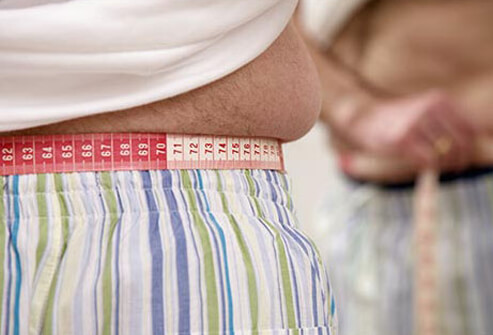
    Many people who develop binge eating disorder also struggle with their weight. Among people with the disorder, about two-thirds are obese, and one study found that as many as 30% of people who seek weight-loss treatment may also have it. People who are overweight or obese are also at risk for related health issues like heart disease, high blood pressure, and type 2 diabetes.

    It's About Mental Health

    Many people with binge eating disorder also have other emotional or mental health problems, such as depression, anxiety, bipolar disorder, and substance abuse. They may also feel stressed, have trouble sleeping, and struggle with low self-esteem or body image shame.

    What Causes Binge Eating Disorder?

    Experts aren’t sure exactly what causes eating disorders. A mix of factors, including a person's genes, psychology, and background, may be involved. Dieting can lead to binge eating disorder, but we don't know whether that alone can trigger it. Some people may be extra sensitive to food cues, such as smells or images of food. The disorder can also result from stressful or traumatic life events, such as the death of a loved one or being teased about weight.

    Recovery Is Possible

    If you think you might have binge eating disorder, know that it can be successfully treated. The first step is getting a diagnosis. To do that, a doctor or other health professional will give you a physical exam and ask questions about your eating habits, emotional health, body image, and feelings toward food.

    Treatment: Help With Thoughts, Feelings, and Food

    Talking with a psychiatrist or other counselor is key in working on emotional issues. Cognitive behavioral therapy (CBT) aims to change the negative thought patterns that can spark binge eating. Interpersonal therapy (IPT) addresses relationship problems that may be involved. It also helps to work with a nutritionist to learn healthy eating habits and keep a food diary as you're recovering.

    What About Medication?

    Certain medications, such as antidepressants and specific anti-seizure drugs that can help control food cravings and urges to binge, may be useful for people with binge eating disorder -- particularly when they also work with a counselor. No medications are approved to treat the condition, but some doctors prescribe these drugs “off label,” meaning for a purpose other than that for which the FDA approved them.

    Losing Weight With Binge Eating Disorder

    Binge eating can lead to weight gain and make it tough to shed extra pounds and keep them off for good. As part of their treatment, people with binge eating disorder may need help with that. Traditional weight loss programs may help, but some people struggle with strict diets. Ask your doctor whether you could benefit from a specialized weight-loss program for people with eating disorders.

    Prevention

    If you're at risk for binge eating disorder, you can take action to avoid getting it. Watch for feelings such as, guilt, shame, or being impulsive around food, or having low self-esteem. If you have these kinds of issues, or if eating disorders run in your family, talk to a doctor or a therapist.

    0 comment
    0
    Facebook Twitter Google + Pinterest
    explainingmedicine

    previous post
    Breast Cancer Deaths Continue to Decline in U.S.
    next post
    Gout: See & Learn About Gouty Arthritis Attacks

    Related Articles

    Hair and Scalp: What They Say About Your Health

    October 14, 2016

    Psoriasis Rash: What Does Psoriasis Look Like?

    October 14, 2016

    Deep Vein Thrombosis (DVT): Symptoms, Treatment & Prevention

    October 14, 2016

    Eating Disorders: Anorexia, Bulimia, Binge Eating

    October 14, 2016

    Women’s Health: A Visual Guide to Uterine Fibroids

    October 14, 2016

    Skin and Beauty: See How Your Life Affects Your Skin

    October 14, 2016

    Kidney Stones: A Visual Guide to Kidney Stones

    October 14, 2016

    2008 Airport Food Review: Ranking of the Nation’s 15 Busiest Airports

    October 14, 2016

    Infectious Mononucleosis: Learn About the ‘Kissing Disease’ Caused by EBV

    October 14, 2016

    Exercise and Fitness: The Best Flat Abs Moves for Men

    October 14, 2016

    Recent Posts

    • Flu shot recommendation for kids dropped just as the illness rages

      January 12, 2026
    • The CDC just sidelined these childhood vaccines. Here’s what they prevent

      January 9, 2026
    • Your next primary care doctor could be online only, accessed through an AI tool

      January 9, 2026
    • In Lodge Grass, Montana, a Crow community works to rebuild from meth’s destruction

      January 8, 2026
    • RFK Jr.’s new dietary guidelines go all in on meat and dairy

      January 7, 2026

    Keep in touch

    Facebook Twitter Google + RSS

    Recent Posts

    • Flu shot recommendation for kids dropped just as the illness rages

      January 12, 2026
    • The CDC just sidelined these childhood vaccines. Here’s what they prevent

      January 9, 2026
    • Your next primary care doctor could be online only, accessed through an AI tool

      January 9, 2026
    • In Lodge Grass, Montana, a Crow community works to rebuild from meth’s destruction

      January 8, 2026
    • RFK Jr.’s new dietary guidelines go all in on meat and dairy

      January 7, 2026
    • Terms of Service
    • Privacy Policy

    @2026 - Explaining Medicine. All Right Reserved.


    Back To Top
    Explaining Medicine
    Proudly powered by WordPress Theme: soledad child.