Explaining Medicine
  • News
  • Health & Lifestyle
    • Diet & Weight Management
    • Exercise & Fitness
    • Nutrition, Food & Recipes
    • Prevention & Wellness
  • Conditions
    • Custom1
      • Conditions A-Z
      • Procedures A-Z
      • Allergies
      • Alzheimer’s
      • Arthritis
      • Asthma
      • Blood Pressure
      • Cholesterol
      • Cancer
    • Custom2
      • Chronic Pain
      • Cold Flu
      • Depression
      • Diabetes
      • Digestion
      • Eyesight
      • Health Living
      • Healthy Kids
      • Hearing Ear
    • Custom3
      • Heart
      • HIV/AIDS
      • Infectious Disease
      • Lung Conditions
      • Menopause
      • Men’s Health
      • Mental Health
      • Migraine
      • Neurology
    • Custom4
      • Oral Health
      • Pregnancy
      • Senior Health
      • Sexual Health
      • Skin Problems
      • Sleep
      • Thyroid
      • Travel Health
      • Women’s Health
  • Medications
    • Medications
    • Supplements and Vitamins
  • Medical Dictionary
  • Health Alerts
Flu shot recommendation for kids dropped just as...
The CDC just sidelined these childhood vaccines. Here’s...
Your next primary care doctor could be online...
In Lodge Grass, Montana, a Crow community works...
RFK Jr.’s new dietary guidelines go all in...
More seniors are becoming homeless. Shelters are trying...
Health officials slash the number of vaccines recommended...
Wegovy obesity pill now available at pharmacies
In the U.S., hunger is often hidden. But...
One doctor’s experience shows the battle for the...
Top Posts

Explaining Medicine

  • News
  • Health & Lifestyle
    • Diet & Weight Management
    • Exercise & Fitness
    • Nutrition, Food & Recipes
    • Prevention & Wellness
  • Conditions
    • Custom1
      • Conditions A-Z
      • Procedures A-Z
      • Allergies
      • Alzheimer’s
      • Arthritis
      • Asthma
      • Blood Pressure
      • Cholesterol
      • Cancer
    • Custom2
      • Chronic Pain
      • Cold Flu
      • Depression
      • Diabetes
      • Digestion
      • Eyesight
      • Health Living
      • Healthy Kids
      • Hearing Ear
    • Custom3
      • Heart
      • HIV/AIDS
      • Infectious Disease
      • Lung Conditions
      • Menopause
      • Men’s Health
      • Mental Health
      • Migraine
      • Neurology
    • Custom4
      • Oral Health
      • Pregnancy
      • Senior Health
      • Sexual Health
      • Skin Problems
      • Sleep
      • Thyroid
      • Travel Health
      • Women’s Health
  • Medications
    • Medications
    • Supplements and Vitamins
  • Medical Dictionary
  • Health Alerts
  • Slideshows

    Baby Skin Care: Simple Tips to Keep Baby’s Skin Healthy

    by explainingmedicine October 14, 2016

    Anticipate Rashes, Bumps, and Spots

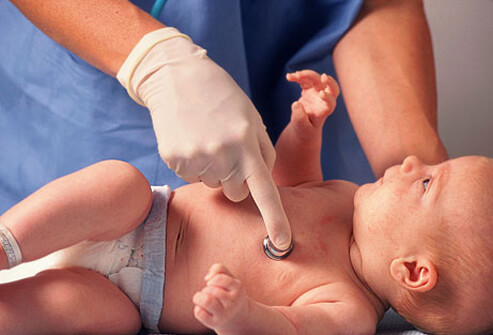
    Babies develop a myriad of skin conditions during the first few months of life. These include cradle cap, diaper rash, toxic erythema, milia, infantile acne, and others. Some are caused by normal hormonal changes or immature pores, while others are caused by inflammation or, rarely, an infection.
    Newborns Get Rashes Easily

    Because most newborn's rashes are "normal", there is generally no treatment needed except for patience. It's important to ask the doctor for some guidance about what to expect when it comes to rashes and which require some additional treatment.

    How to Avoid Diaper Rash

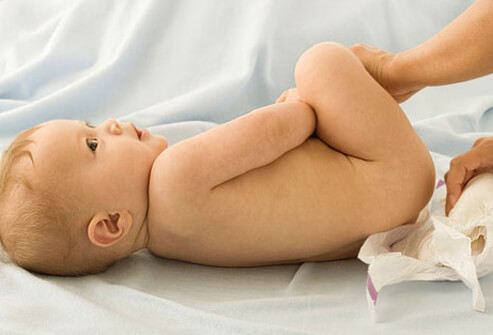
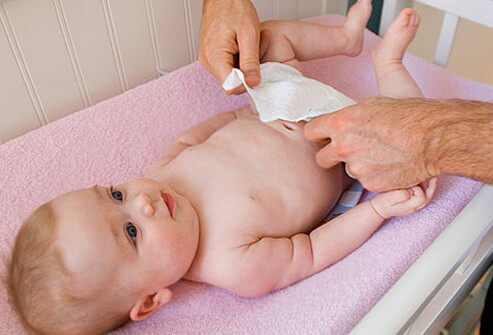
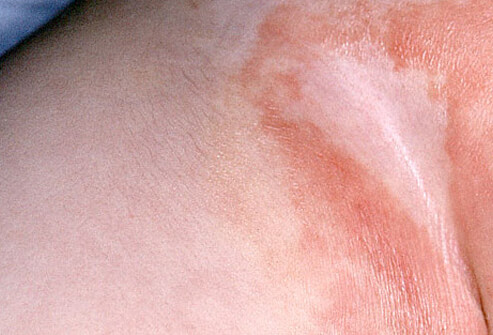
    Diaper rash is often caused by irritation to the skin due to contact with urine, stool, and detergent. Sometimes it can be caused by yeast infections, bacterial infections, or even due to an allergy to diaper material. In general, most diaper rashes can be prevented by changing diapers when they are wet or soiled and allowing the diaper area to dry between changes. Using a topical barrier cream or ointment such as zinc oxide or A&D ointment can help.

    Baby Acne

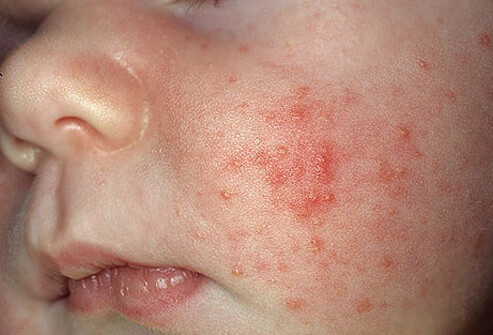
    Acne neonatorum also called neonatal or baby acne is caused by maternal hormones. The same hormones (estrogens) are involved in causing acne in adolescents. The big difference is that this will resolve on its own within a couple of weeks, and no treatment is needed.

    Erythema Toxicum Neonatorum

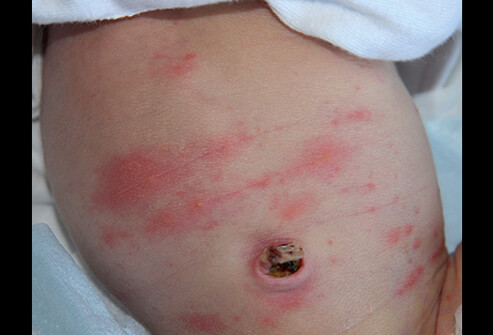
    Erythema toxicum neonatorum is the most common pustular (fluid-filled) eruption in newborns. More than half of all newborns develop this rash usually within two to three days after birth. Generally, the rash appears on the face or extremities and initially as a red raised eruption. Then they develop into a pustule with a "blotchy" appearance. The cause is unknown, however the lesions fade after a week, and there is no treatment needed. Sometimes this is confused with more serious infections of the skin. If there is fever associated with the eruption, further evaluation is needed.

    Birthmarks

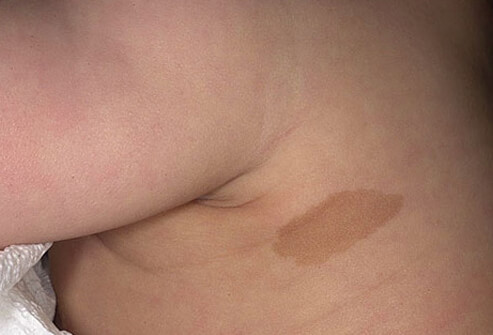
    Birthmarks can be found in 5%-10% of all babies. Most of these are common nevi (areas of skin discoloration) and need no further evaluation. Birthmarks are generally divided into three groups: pigmented, vascular, and anatomic. Some birthmarks develop over time, and some are present at birth. Always talk to a pediatrician about any concerns about birthmarks.

    Eczema or Atopic Dermatitis

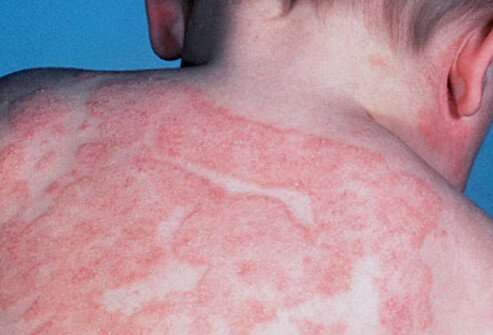
    Eczema, also known as atopic dermatitis, is a pruritic (itchy) rash that occurs in response to a specific exposure or allergy. It is generally seen in children over 3 months of age and appears most commonly on the scalp, face, trunk, extremities (elbows and knees), and even in the diaper area. Treatment is focused on avoiding the trigger and then allowing the skin to "heal." This may include using moisturizers and even topical steroids.

    Newborn's Dry Skin

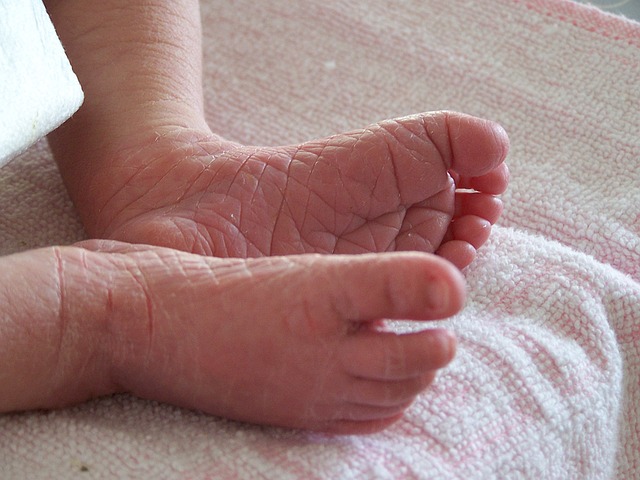
    Newborns often have very dry peeling skin in the initial period after birth. This is due to the fact that the infant has existed in a fluid environment for several months, and after birth, the skin cells start to regenerate, which results in the peeling of the old skin cells. There is no need to do anything since this will resolve on its own.

    Cradle Cap

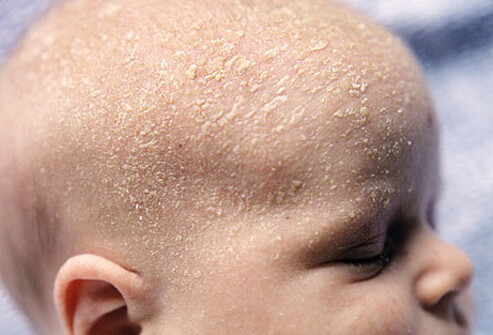
    Cradle cap, also called seborrheic dermatitis, is a very common rash seen in newborns. The rash, usually seen in the first month of life, starts on the scalp and has a red, waxy, and scaly appearance. Sometimes the rash can extend to the face and neck. It is not generally itchy, and although it will resolve on its own, the treatment may include a special shampoo, petroleum jelly, and even a topical steroid.

    Prickly Heat Skin Irritation

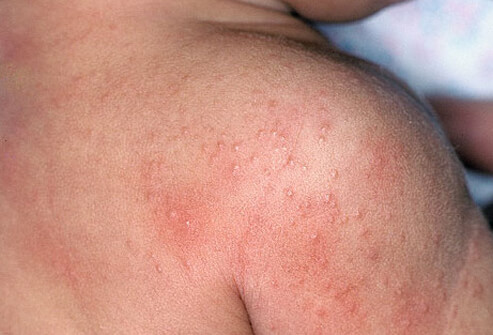
    Prickly heat is also known as miliaria rubra. It is due to a sweat gland dysfunction. The rash appears on the neck, diaper area, armpits, and any skinfolds most likely to be prone to increased sweating. The rash may itch as well. Keep the infant cool (in the summer and winter) and it's likely the baby will avoid this reaction. In most cases, prickly heat resolves within a couple of days, but speak to a pediatrician about other options if it persists.

    Baby Skin Doesn't Need Powder

    Although "baby powder" seems like an important item to have for an infant, it is generally not needed. Regardless of that, it is extremely important to avoid talc-containing powder, since there is a risk for accidental inhalation and subsequent lung problems.

    White Bumps (Milia)

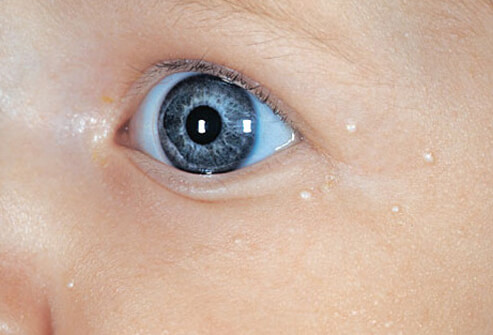
    Milia occur in 50% of newborns. These appear as small white papules and are caused by poorly functioning newborn skin. Milia are generally seen on the forehead, cheeks, nose, and chin, but they can be seen elsewhere. Leave them alone, as they will disappear on their own within a month without any treatment.

    Baby Yeast Infections

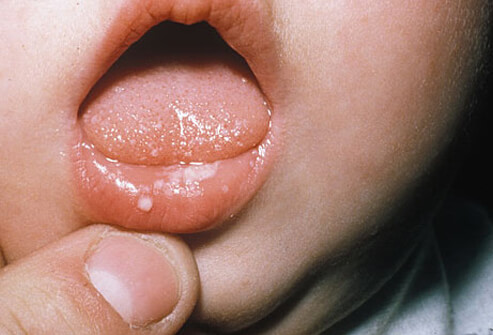
    Oral thrush is caused by a yeast infection in the mouth. It appears on the tongue and gums and is bright red with white plaques (looks like dried milk curds). It is a common infection in infancy and may be brought on by poor oral hygiene, antibiotic usage, or other immune problems. In babies, it is most often associated with either antibiotic usage or poor oral hygiene. The doctor may need to prescribe an antifungal medication such as nystatin (Mycostatin, Nilstat, Nystex).

    Laundry Tips for Baby's Skin

    Babies can be very sensitive to perfumes and harsh detergents. Use a gentle unscented detergent when washing infant's clothes and bedding. Doing so will help prevent allergies or sensitivities.

    Yellow Skin May Be a Sign of Jaundice

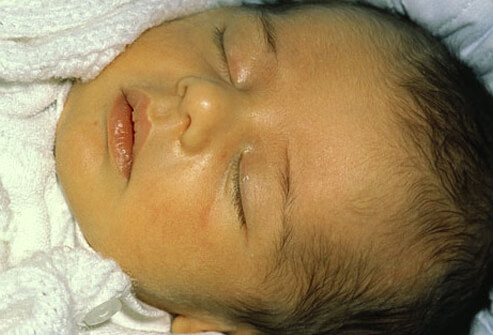
    Jaundice, also called hyperbilirubinemia, is commonly seen within a few days of birth. It appears as a yellowing of the skin, mucous membranes, and eyes. Oftentimes it is caused by a normal breakdown of red blood cells which releases bilirubin (hence the name hyperbilirubinemia). Most commonly the condition resolves on its own, but occasionally when the jaundice is severe, treatment may be required. Always speak to the pediatrician about any concerns.

    Baby Sunburn

    Babies don't benefit from a tan! An infant's and child's skin is very sensitive and can easily burn from sun exposure, causing real and even permanent damage. If the baby is going to be outdoors, it is important to avoid direct sunlight. Sunscreen is not recommended for infants under 6 months of age, so use a hat, umbrella, or other protection whenever possible. For infants over 6 months of age, always apply sunscreen as well. If it's suspected that the infant has a sunburn, call the pediatrician for advice.

    Skin-Care Products for Baby

    Most skin-care products should not be used on very young infants because of the risk of exposure to active chemicals, which may be absorbed at higher rates in the thinner, less developed skin of infants. Avoid products with dyes and fragrances, since these may result in allergic reactions. Always discuss with the pediatrician which products can be used on infants.

    Bath-Time Skin Care

    Bathing an infant can be a gratifying and enjoyable experience for both the parent and child. Remember, however, that an infant's skin is very sensitive so try not to "scrub" too hard. Never leave an infant unattended in any amount of water, since drowning is a real risk.

    Massage for Baby

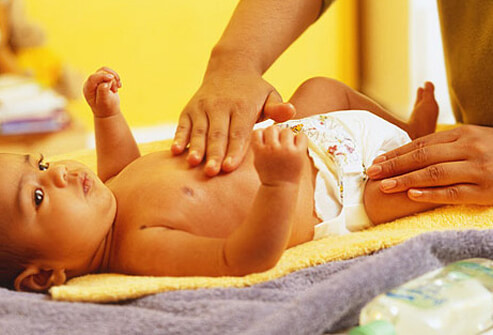
    A number of recent studies suggest that gentle massage can improve an infant's sleep and decrease stress. It also is a great way to bond with an infant. Try not to massage too vigorously after feeding, since it might cause the baby to spit up.

    Know When to Seek a Pediatrician

    Most skin rashes in babies are not serious and require little to no treatment. There are some rashes which may require further evaluation. Any fever associated with a rash requires an evaluation by a physician. Rashes which involve blisters or other fluid-filled bumps (pustules, vesicles) may also need to be evaluated. In general, never hesitate to contact the pediatrician with concerns.

    0 comment
    0
    Facebook Twitter Google + Pinterest
    explainingmedicine

    previous post
    Baby Food & Nutrition: What to Feed Your Baby in Year 1
    next post
    Parenting: Parents’ Guide to Soothing Your Crying Baby

    Related Articles

    Cat Health: Behavioral Problems in Cats

    October 14, 2016

    Children’s Health: Symptoms of Common Infant and Childhood Illnesses

    October 14, 2016

    Parenting: Top Surprises of Life After Baby Arrives

    October 14, 2016

    Skin and Beauty: The Truth About Beauty Product Dangers

    October 14, 2016

    Weight Loss: Top 10 Habits That Can Help You Lose Weight

    October 14, 2016

    Exercise & Fitness: 15 Pilates Moves That Get Results

    October 14, 2016

    Before You Tattoo: Tattoo Types, Safety and Removal

    October 14, 2016

    Eczema: Atopic Dermatitis Rashes & Treatment Options

    October 14, 2016

    Summer Skin Hazards: Stay Safe This Summer

    October 14, 2016

    Depression: Myths and Facts About Therapy

    October 14, 2016

    Recent Posts

    • Flu shot recommendation for kids dropped just as the illness rages

      January 12, 2026
    • The CDC just sidelined these childhood vaccines. Here’s what they prevent

      January 9, 2026
    • Your next primary care doctor could be online only, accessed through an AI tool

      January 9, 2026
    • In Lodge Grass, Montana, a Crow community works to rebuild from meth’s destruction

      January 8, 2026
    • RFK Jr.’s new dietary guidelines go all in on meat and dairy

      January 7, 2026

    Keep in touch

    Facebook Twitter Google + RSS

    Recent Posts

    • Flu shot recommendation for kids dropped just as the illness rages

      January 12, 2026
    • The CDC just sidelined these childhood vaccines. Here’s what they prevent

      January 9, 2026
    • Your next primary care doctor could be online only, accessed through an AI tool

      January 9, 2026
    • In Lodge Grass, Montana, a Crow community works to rebuild from meth’s destruction

      January 8, 2026
    • RFK Jr.’s new dietary guidelines go all in on meat and dairy

      January 7, 2026
    • Terms of Service
    • Privacy Policy

    @2026 - Explaining Medicine. All Right Reserved.


    Back To Top
    Explaining Medicine
    Proudly powered by WordPress Theme: soledad child.