Explaining Medicine
  • News
  • Health & Lifestyle
    • Diet & Weight Management
    • Exercise & Fitness
    • Nutrition, Food & Recipes
    • Prevention & Wellness
  • Conditions
    • Custom1
      • Conditions A-Z
      • Procedures A-Z
      • Allergies
      • Alzheimer’s
      • Arthritis
      • Asthma
      • Blood Pressure
      • Cholesterol
      • Cancer
    • Custom2
      • Chronic Pain
      • Cold Flu
      • Depression
      • Diabetes
      • Digestion
      • Eyesight
      • Health Living
      • Healthy Kids
      • Hearing Ear
    • Custom3
      • Heart
      • HIV/AIDS
      • Infectious Disease
      • Lung Conditions
      • Menopause
      • Men’s Health
      • Mental Health
      • Migraine
      • Neurology
    • Custom4
      • Oral Health
      • Pregnancy
      • Senior Health
      • Sexual Health
      • Skin Problems
      • Sleep
      • Thyroid
      • Travel Health
      • Women’s Health
  • Medications
    • Medications
    • Supplements and Vitamins
  • Medical Dictionary
  • Health Alerts
Flu shot recommendation for kids dropped just as...
The CDC just sidelined these childhood vaccines. Here’s...
Your next primary care doctor could be online...
In Lodge Grass, Montana, a Crow community works...
RFK Jr.’s new dietary guidelines go all in...
More seniors are becoming homeless. Shelters are trying...
Health officials slash the number of vaccines recommended...
Wegovy obesity pill now available at pharmacies
In the U.S., hunger is often hidden. But...
One doctor’s experience shows the battle for the...
Top Posts

Explaining Medicine

  • News
  • Health & Lifestyle
    • Diet & Weight Management
    • Exercise & Fitness
    • Nutrition, Food & Recipes
    • Prevention & Wellness
  • Conditions
    • Custom1
      • Conditions A-Z
      • Procedures A-Z
      • Allergies
      • Alzheimer’s
      • Arthritis
      • Asthma
      • Blood Pressure
      • Cholesterol
      • Cancer
    • Custom2
      • Chronic Pain
      • Cold Flu
      • Depression
      • Diabetes
      • Digestion
      • Eyesight
      • Health Living
      • Healthy Kids
      • Hearing Ear
    • Custom3
      • Heart
      • HIV/AIDS
      • Infectious Disease
      • Lung Conditions
      • Menopause
      • Men’s Health
      • Mental Health
      • Migraine
      • Neurology
    • Custom4
      • Oral Health
      • Pregnancy
      • Senior Health
      • Sexual Health
      • Skin Problems
      • Sleep
      • Thyroid
      • Travel Health
      • Women’s Health
  • Medications
    • Medications
    • Supplements and Vitamins
  • Medical Dictionary
  • Health Alerts
  • Slideshows

    Cataracts: A Visual Guide to Causes, Symptoms and Surgery

    by explainingmedicine October 14, 2016

    What Are Cataracts?

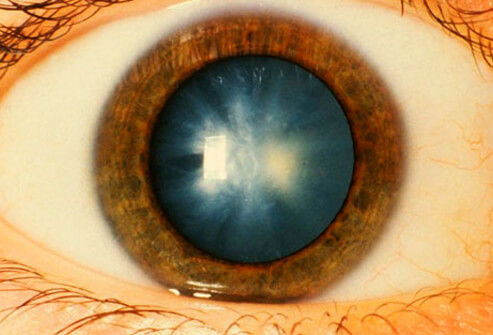
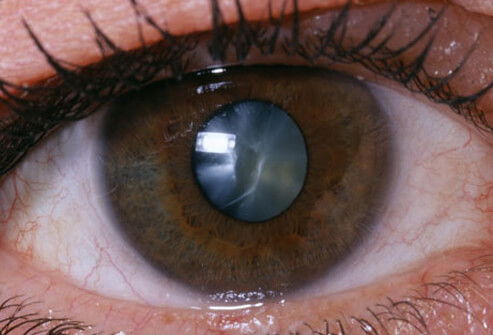
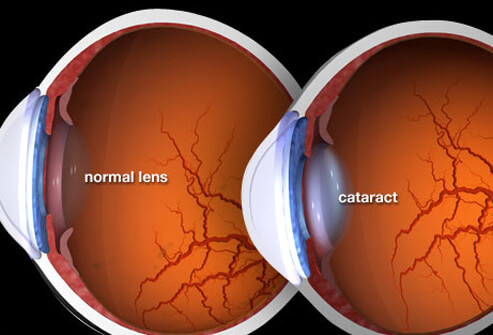
    Cataracts are a painless clouding of the internal lens of the eye. Because they block light from passing through the lens, cataracts make it difficult to see clearly and can even cause blindness over time. Cataracts are progressive, meaning they worsen with time. Most cases occur in older people, but sometimes they can be seen in younger people as well.


    How Your Vision Is Affected By Cataracts

    Light enters the eye and passes through the lens. The lens of the eye focuses light onto the retina, which transmits visual signals through the optic nerve to the brain. Clouding of the lens due to cataracts results in blurring of the images you see. Other problems with the eyes can also cause blurry vision, but cataracts produce some characteristic symptoms.

    Cataract Symptom: Blurry Vision

    The most common symptom of cataracts is seeing blurry images at any distance. People may describe their vision as foggy, cloudy, or filmy. Cataracts get worse with time, and less light reaches the retina. It may be especially hard for people with cataracts to see and drive at night.

    Cataract Symptom: Glare

    Glare, or sensitivity to light, is another symptom of cataracts. It can be difficult for a person with cataracts to see in bright sunlight. Indoor lights may begin to seem too bright, or they may appear to have halos around them. Glare from oncoming headlights can cause problems with driving at night.

    Cataract Symptom: Double Vision

    Diplopia, or double vision, when looking with one eye can be another symptom of cataracts. This is not the same as diplopia that arises from improper alignment of the eyes. The double vision seen with cataracts occurs even when you look through only one eye.

    Cataract Symptom: Color Changes

    Cataracts also affect color vision. Some colors may appear faded, and things may acquire a yellowish or brownish tint. This may not be noticed at first, but with time, distinguishing between blues and purples can be difficult.

    Cataract Symptom: Second Sight

    The phenomenon known as "second sight" is another characteristic of cataracts. In this situation, the cataract acts as a stronger lens, temporarily improving the ability to see things at a close distance. People who formerly needed reading glasses may no longer need them. However, as the cataract worsens over time, this temporary improvement in near vision disappears.

    Cataract Symptom: New Prescription

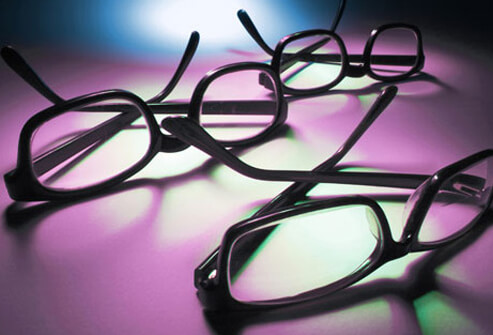
    People with cataracts often need frequent changes in their eyeglasses or contact lenses because their vision deteriorates over time.

    Who Can Get Cataracts?

    Most cataracts occur in older people and are related to the aging process. Over half of Americans over 65 have cataracts. Sometimes, babies can be born with cataracts, known as congenital cataracts. Uncommonly, children can get cataracts as a result of illness or trauma to the eye.

    What Are the Causes of Cataracts?

    It is not precisely understood why people get cataracts. Aging is a known risk factor. Other factors that may also play a role in the development of cataracts include:

    • Smoking
    • Excessive use of alcohol
    • Diabetes
    • Trauma to the eyes
    • Extended use of corticosteroids
    • Prolonged radiation or sun exposure

    How Are Cataracts Diagnosed?

    Cataracts can be diagnosed with an eye exam. The eye exam contains a vision test and an examination of your eyes using a slit lamp microscope. The pupils are dilated with special eyedrops to provide a better view of the back of the eye, where the retina and optic nerve are located.

    Cataract Surgery

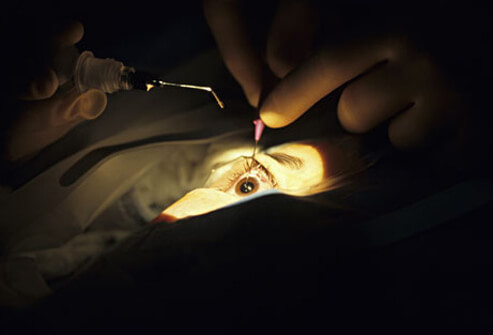
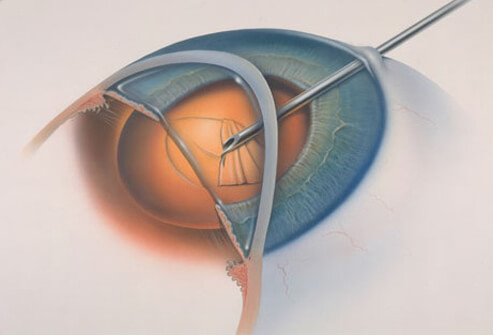
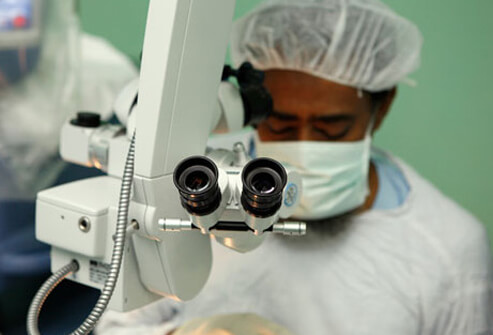
    Surgery to remove cataracts may be required if the related vision loss cannot be corrected with glasses or contact lenses. Cataract surgery involves removing the cloudy natural lens and replacing it with an artificial lens. The operation is usually done on an outpatient basis and is very safe and effective. For those who need surgery on both eyes, the surgery is usually done on one eye at a time.

    Types of Cataract Surgery

    The most common type of cataract surgery is known as phacoemulsification (phaco). In this procedure, the doctor makes a tiny incision in the eye and breaks up the lens using ultrasound waves. The lens is then taken out and replaced with an intraocular lens (IOL). Another type of cataract surgery is called extracapsular cataract surgery. This procedure involves a larger incision and removal of the cloudy lens in one piece. In most cases, placement of an IOL eliminates the need for thick eyeglasses or contact lenses.

    Innovations In Cataract Surgery

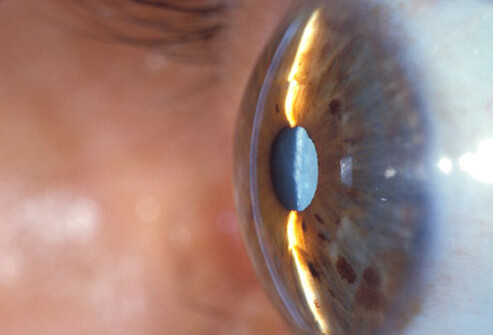
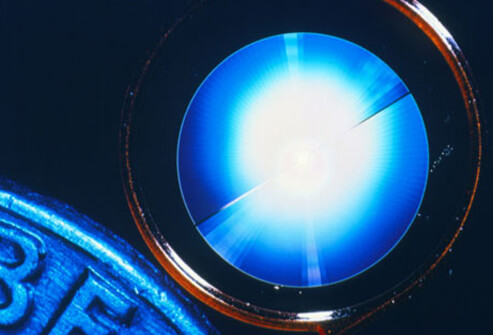
    New developments in cataract surgery allow for procedures that correct both near and distance vision, reducing or even eliminating the need for glasses after the operation. Conventional "monofocal" lenses only correct distance vision, so people still need reading glasses after surgery. So-called "toric" implants are available to correct astigmatism. This picture illustrates a lens in development (shown next to a dime) that offers better color vision.

    What to Expect After Cataract Surgery

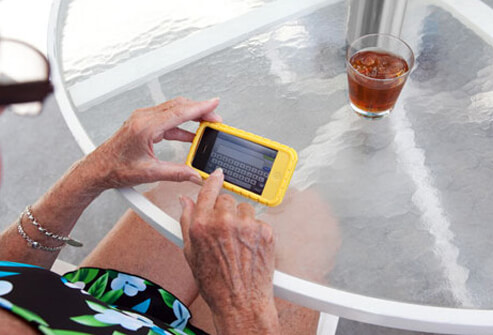
    After surgery, your eyes may itch and feel sensitive to light for a few days. You may need to wear a shield or glasses for protection, and you may be prescribed eyedrops to speed the healing process. It takes about 8 weeks for the eye to completely heal even though changes in vision are apparent shortly following the surgery. You may still need glasses for distance vision or reading, after the surgery, and it is likely that you will require a new prescription after your eye has healed.

    Risks of Cataract Surgery

    Cataract surgery does not commonly result in complications. When complications occur, they are usually related to infection, bleeding, or changes in eye pressure. All of these are treatable when recognized early. The risk of retinal detachment is slightly increased, and this complication requires emergency treatment. In some cases, lens tissue is left behind to support the IOL, and this tissue can become cloudy over time, forming an "after-cataract." This can be permanently corrected with a laser treatment.

    Should You Have Cataract Surgery?

    It's unusual for cataracts to require immediate removal, so you can take your time to decide about surgery. Cataracts affect vision slowly over time, so it’s possible to wait to have surgery until glasses no longer correct the vision problems. People who do not feel that cataracts are causing significant problems may opt to postpone or not undergo surgery.

    Cataracts Prevention Tips

    Remember, there are steps you can take to lower your risk of getting cataracts:

    • Don't smoke.
    • Always wear a hat or sunglasses in the sun.
    • Keep diabetes well controlled.
    • Limit alcohol consumption.
    0 comment
    0
    Facebook Twitter Google + Pinterest
    explainingmedicine

    previous post
    Exercise and Fitness: Beach Body Essentials for Men
    next post
    First Aid: 8 First Aid Essentials for Car or Purse

    Related Articles

    AIDS Retrospective: Pictorial Timeline of the HIV/AIDS Pandemic

    October 14, 2016

    Celiac Disease: A Visual Guide to Celiac Disease

    October 14, 2016

    Teeth Whitening: 10 Secrets to Brighter, Whiter Teeth

    October 14, 2016

    Foot Problems: Ingrown Toenails

    October 14, 2016

    Prostate Cancer: Symptoms, Tests, Treatments

    October 14, 2016

    Grocery Smarts: Fat Foods vs. Fit Foods

    October 14, 2016

    Skin and Beauty: Your Guide to a Perfect Pedicure

    October 14, 2016

    Fibromyalgia: Fibro-friendly Exercises

    October 14, 2016

    Heat Rash: Symptoms, Causes and Treatment

    October 14, 2016

    Sleep: Jobs That Wreck Your Sleep

    October 14, 2016

    Recent Posts

    • Flu shot recommendation for kids dropped just as the illness rages

      January 12, 2026
    • The CDC just sidelined these childhood vaccines. Here’s what they prevent

      January 9, 2026
    • Your next primary care doctor could be online only, accessed through an AI tool

      January 9, 2026
    • In Lodge Grass, Montana, a Crow community works to rebuild from meth’s destruction

      January 8, 2026
    • RFK Jr.’s new dietary guidelines go all in on meat and dairy

      January 7, 2026

    Keep in touch

    Facebook Twitter Google + RSS

    Recent Posts

    • Flu shot recommendation for kids dropped just as the illness rages

      January 12, 2026
    • The CDC just sidelined these childhood vaccines. Here’s what they prevent

      January 9, 2026
    • Your next primary care doctor could be online only, accessed through an AI tool

      January 9, 2026
    • In Lodge Grass, Montana, a Crow community works to rebuild from meth’s destruction

      January 8, 2026
    • RFK Jr.’s new dietary guidelines go all in on meat and dairy

      January 7, 2026
    • Terms of Service
    • Privacy Policy

    @2026 - Explaining Medicine. All Right Reserved.


    Back To Top
    Explaining Medicine
    Proudly powered by WordPress Theme: soledad child.