Explaining Medicine
  • News
  • Health & Lifestyle
    • Diet & Weight Management
    • Exercise & Fitness
    • Nutrition, Food & Recipes
    • Prevention & Wellness
  • Conditions
    • Custom1
      • Conditions A-Z
      • Procedures A-Z
      • Allergies
      • Alzheimer’s
      • Arthritis
      • Asthma
      • Blood Pressure
      • Cholesterol
      • Cancer
    • Custom2
      • Chronic Pain
      • Cold Flu
      • Depression
      • Diabetes
      • Digestion
      • Eyesight
      • Health Living
      • Healthy Kids
      • Hearing Ear
    • Custom3
      • Heart
      • HIV/AIDS
      • Infectious Disease
      • Lung Conditions
      • Menopause
      • Men’s Health
      • Mental Health
      • Migraine
      • Neurology
    • Custom4
      • Oral Health
      • Pregnancy
      • Senior Health
      • Sexual Health
      • Skin Problems
      • Sleep
      • Thyroid
      • Travel Health
      • Women’s Health
  • Medications
    • Medications
    • Supplements and Vitamins
  • Medical Dictionary
  • Health Alerts
Flu shot recommendation for kids dropped just as...
The CDC just sidelined these childhood vaccines. Here’s...
Your next primary care doctor could be online...
In Lodge Grass, Montana, a Crow community works...
RFK Jr.’s new dietary guidelines go all in...
More seniors are becoming homeless. Shelters are trying...
Health officials slash the number of vaccines recommended...
Wegovy obesity pill now available at pharmacies
In the U.S., hunger is often hidden. But...
One doctor’s experience shows the battle for the...
Top Posts

Explaining Medicine

  • News
  • Health & Lifestyle
    • Diet & Weight Management
    • Exercise & Fitness
    • Nutrition, Food & Recipes
    • Prevention & Wellness
  • Conditions
    • Custom1
      • Conditions A-Z
      • Procedures A-Z
      • Allergies
      • Alzheimer’s
      • Arthritis
      • Asthma
      • Blood Pressure
      • Cholesterol
      • Cancer
    • Custom2
      • Chronic Pain
      • Cold Flu
      • Depression
      • Diabetes
      • Digestion
      • Eyesight
      • Health Living
      • Healthy Kids
      • Hearing Ear
    • Custom3
      • Heart
      • HIV/AIDS
      • Infectious Disease
      • Lung Conditions
      • Menopause
      • Men’s Health
      • Mental Health
      • Migraine
      • Neurology
    • Custom4
      • Oral Health
      • Pregnancy
      • Senior Health
      • Sexual Health
      • Skin Problems
      • Sleep
      • Thyroid
      • Travel Health
      • Women’s Health
  • Medications
    • Medications
    • Supplements and Vitamins
  • Medical Dictionary
  • Health Alerts
  • Slideshows

    Sleep: Jobs That Wreck Your Sleep

    by explainingmedicine October 14, 2016

    Air Traffic Controller

    News of air traffic controllers falling asleep on the job shows the difficulty of shift work. Even when lives are at stake, it's a challenge for some people to stay alert throughout the night. That's because their internal body clock -- sometimes called circadian rhythms -- may be out of synch with their schedule. Shift work disrupts this cycle, and many people have trouble adapting.
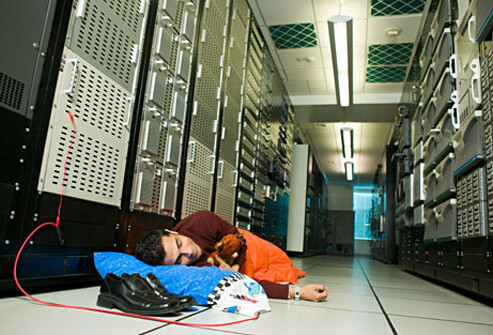

    Network Administrator

    The Internet has also created a new demand for shift workers. Network administrators make sure that Web-based services are available to users 24/7 -- so you can buy books, download music, or browse WebMD any time you like. The downside to all this shift work is that the workforce is more sleep deprived than in decades past. And that has risks.

    Factory Worker

    The manufacturing industry relies on shift work to avoid factory downtime and to maximize productivity. But there are costs. Compared to non shift workers, shift workers are significantly more likely to get fewer than six hours of sleep on work days. Drowsy or tired workers can increase the risk of workplace injuries. Poor sleep has also been linked to high blood pressure, diabetes, and depression.

    Senior Manager

    If you have (or are) a cranky boss, too little sleep could be part of the problem. Senior managers deal with the stress of overseeing a team, and they often put in long hours. Studies show the more hours you work, the less you sleep. And one survey found a direct link between poor sleep and job dissatisfaction.

    Cable News Reporter

    The advent of 24-hour cable news created a whole new field of shift workers. Reporters, producers, and camera operators provide live news reports throughout the night. As more industries expand to 24-hour operations, the need for shift workers is growing. More than 15 million Americans now work evenings, nights, or other irregular shifts.

    Nurse

    Shift work is a time-honored tradition for hospital nurses. To provide continuous care to patients, many nurses also end up working long hours. Research suggests people tend to be less alert and focused during the last four hours of a 12-hour shift. This raises special concerns for jobs related to public health and safety.

    Financial Analyst

    Shift workers aren't the only ones losing sleep. Some financial analysts specialize in foreign markets, such as Europe or Asia. Keeping an eye on those markets can require working odd hours because of the time difference. Successful professionals also tend to work long hours. According to the Center for Work-Life Policy, 62% of high earners work more than 50 hours a week, and 10% work more than 80 hours a week.

    Police Officer

    To protect and serve the public all night and day, many police departments use rotating shifts. This ensures 24-hour coverage without singling out some officers for holidays or the worst hours. But rotating shifts have challenges of their own -- it's impossible to adapt to any one schedule. Alternating between a day shift and a night shift is more problematic than switching between a day shift and an afternoon shift.

    Medical Intern

    Medical students may get used to cramming for exams, but the all-nighters don't end at graduation. As intermediate-level hospital staff, some residents are allowed to work in-house duty for up to 24 hours in a row. (They must have at least 14 hours free of duty afterward.) Studies show medical residents are twice as likely to crash their cars after a long shift. They're also more likely to make mistakes in diagnosing patients.

    Airplane Pilot

    Flying commercial planes deals a triple punch to a good night's sleep. Pilots face irregular hours, long shifts, and jet lag as they travel through multiple time zones. To avoid pilot fatigue, the FAA observes strict guidelines on flight time and rest time. In the 24 hours before completing a flight, pilots must have at least eight hours of uninterrupted rest.

    New Parent

    There is one job that is legendary in its ability to wreck your sleep: parent. When a newborn wakes up every couple of hours, it's difficult for parents to get a solid stretch of deep sleep. One study found new moms sleep about seven hours over the course of a night, but the sleep is fragmented and not refreshing. Luckily, the situation usually improves by the time baby is 16 weeks old.

    Truck Driver

    Truck drivers have long taken to the road at night, both to avoid daytime traffic and to manage tight delivery schedules. But this is one job where the consequences of poor sleep are well-documented. Roadway crashes are the top cause of work-related deaths in the United States, and drowsy driving is often a factor.

    Bartender

    With many bars open until at least 2 a.m. and around the clock in some cities, a bartender may end up working almost through the night. Some people are drawn to this type of schedule because they are "night owls" -- they are naturally more alert at night. The key to fully adapting to this shift is to keep the same schedule on your days off. But if you're a "lark," you may never adapt.

    Shift Work Sleep Disorder

    When your work schedule collides with your body's natural circadian rhythm, you are forced to try to sleep when you feel alert and work when you feel drowsy. This puts you at risk for shift work sleep disorder. The symptoms include insomnia, fatigue, irritability, decreased alertness, and trouble concentrating. Shift workers are also more likely to develop stomach problems and heart disease.

    Tips for Working at Night

    The best way to adapt to shift work is to stick to the same schedule, even on weekends. If this isn't possible, you're more likely to feel fatigued when working the night shift. But there are strategies that can help you stay alert. Try to work with others rather than alone. Drink a beverage with caffeine at the start of your shift. Walk around or get some exercise on your break. If napping is an option, give it a try.

    When to Seek Help

    If you've had work-related sleep problems for at least one month -- and they have affected your family or work life -- a sleep specialist may help. An evaluation can find underlying causes including medical conditions, emotional problems, substance abuse, medications, or poor sleep habits. If a shift work sleep disorder exists, a doctor can determine whether prescription drugs are safe and appropriate, given your personal health history and the risks of side effects.

    Tips for Daytime Sleep

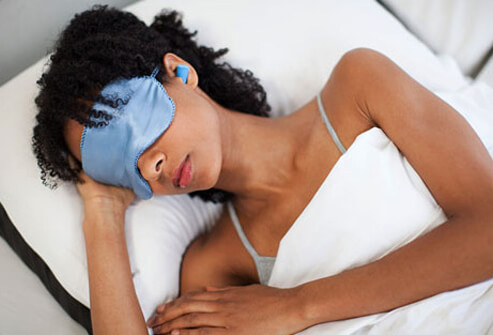
    Although most people find it tough to sleep during the day, there are some tricks that can help. On your way home from work, wear dark glasses and stay out of the sun. Make your bedroom as dark as possible or wear an eye mask. Use earplugs to block out daytime noise. And create a bedtime ritual, like reading or a taking a bath, to signal to your brain that it's time to sleep.

    0 comment
    0
    Facebook Twitter Google + Pinterest
    explainingmedicine

    previous post
    Summer Skin Hazards: Stay Safe This Summer
    next post
    Women’s Hair Loss: Thinning Hair Causes, Treatments and Solutions

    Related Articles

    Dog Health: Behavioral Problems in Dogs

    October 15, 2016

    Men’s Cancer: 15 Cancer Symptoms Men Ignore

    October 14, 2016

    Scabies: Stop the Itch Mite

    October 14, 2016

    Binge Eating Disorder: Causes, Symptoms, Treatment, Recovery

    October 14, 2016

    Epilepsy: Symptoms, Stages and Treatment

    October 14, 2016

    Chronic Pain: Causes, Solutions and Management

    October 14, 2016

    Infectious Mononucleosis: Learn About the ‘Kissing Disease’ Caused by EBV

    October 14, 2016

    Lung Cancer: Causes, Symptoms, Types and Treatment

    October 14, 2016

    Erectile Dysfunction (ED): Causes and Treatment

    October 14, 2016

    Cat Health: Behavioral Problems in Cats

    October 14, 2016

    Recent Posts

    • Flu shot recommendation for kids dropped just as the illness rages

      January 12, 2026
    • The CDC just sidelined these childhood vaccines. Here’s what they prevent

      January 9, 2026
    • Your next primary care doctor could be online only, accessed through an AI tool

      January 9, 2026
    • In Lodge Grass, Montana, a Crow community works to rebuild from meth’s destruction

      January 8, 2026
    • RFK Jr.’s new dietary guidelines go all in on meat and dairy

      January 7, 2026

    Keep in touch

    Facebook Twitter Google + RSS

    Recent Posts

    • Flu shot recommendation for kids dropped just as the illness rages

      January 12, 2026
    • The CDC just sidelined these childhood vaccines. Here’s what they prevent

      January 9, 2026
    • Your next primary care doctor could be online only, accessed through an AI tool

      January 9, 2026
    • In Lodge Grass, Montana, a Crow community works to rebuild from meth’s destruction

      January 8, 2026
    • RFK Jr.’s new dietary guidelines go all in on meat and dairy

      January 7, 2026
    • Terms of Service
    • Privacy Policy

    @2026 - Explaining Medicine. All Right Reserved.


    Back To Top
    Explaining Medicine
    Proudly powered by WordPress Theme: soledad child.