Explaining Medicine
  • News
  • Health & Lifestyle
    • Diet & Weight Management
    • Exercise & Fitness
    • Nutrition, Food & Recipes
    • Prevention & Wellness
  • Conditions
    • Custom1
      • Conditions A-Z
      • Procedures A-Z
      • Allergies
      • Alzheimer’s
      • Arthritis
      • Asthma
      • Blood Pressure
      • Cholesterol
      • Cancer
    • Custom2
      • Chronic Pain
      • Cold Flu
      • Depression
      • Diabetes
      • Digestion
      • Eyesight
      • Health Living
      • Healthy Kids
      • Hearing Ear
    • Custom3
      • Heart
      • HIV/AIDS
      • Infectious Disease
      • Lung Conditions
      • Menopause
      • Men’s Health
      • Mental Health
      • Migraine
      • Neurology
    • Custom4
      • Oral Health
      • Pregnancy
      • Senior Health
      • Sexual Health
      • Skin Problems
      • Sleep
      • Thyroid
      • Travel Health
      • Women’s Health
  • Medications
    • Medications
    • Supplements and Vitamins
  • Medical Dictionary
  • Health Alerts
Flu shot recommendation for kids dropped just as...
The CDC just sidelined these childhood vaccines. Here’s...
Your next primary care doctor could be online...
In Lodge Grass, Montana, a Crow community works...
RFK Jr.’s new dietary guidelines go all in...
More seniors are becoming homeless. Shelters are trying...
Health officials slash the number of vaccines recommended...
Wegovy obesity pill now available at pharmacies
One doctor’s experience shows the battle for the...
In the U.S., hunger is often hidden. But...
Top Posts

Explaining Medicine

  • News
  • Health & Lifestyle
    • Diet & Weight Management
    • Exercise & Fitness
    • Nutrition, Food & Recipes
    • Prevention & Wellness
  • Conditions
    • Custom1
      • Conditions A-Z
      • Procedures A-Z
      • Allergies
      • Alzheimer’s
      • Arthritis
      • Asthma
      • Blood Pressure
      • Cholesterol
      • Cancer
    • Custom2
      • Chronic Pain
      • Cold Flu
      • Depression
      • Diabetes
      • Digestion
      • Eyesight
      • Health Living
      • Healthy Kids
      • Hearing Ear
    • Custom3
      • Heart
      • HIV/AIDS
      • Infectious Disease
      • Lung Conditions
      • Menopause
      • Men’s Health
      • Mental Health
      • Migraine
      • Neurology
    • Custom4
      • Oral Health
      • Pregnancy
      • Senior Health
      • Sexual Health
      • Skin Problems
      • Sleep
      • Thyroid
      • Travel Health
      • Women’s Health
  • Medications
    • Medications
    • Supplements and Vitamins
  • Medical Dictionary
  • Health Alerts
  • Slideshows

    Children’s Health: Childhood Illnesses Every Parent Should Know

    by explainingmedicine October 14, 2016

    The Facts on Childhood Illnesses

    There are so many childhood diseases, infectious and noninfectious, that it would be impossible to list them all here. However, we will introduce some of the most common ones, including viral and bacterial infections as well as allergic and immunologic illnesses.

    Bronchiolitis

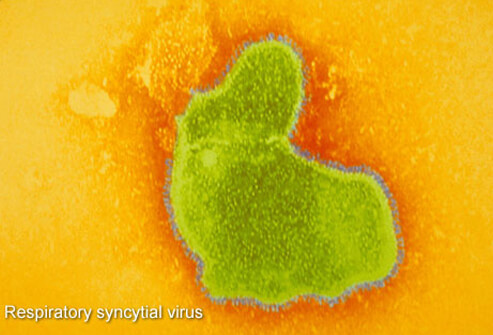
    A number of different viruses cause bronchiolitis (inflammation of the small airways), which affects children less than 1 year of age. Most commonly, it is caused by RSV (respiratory syncytial virus), but it can also be caused by influenza and other common viruses associated with upper respiratory symptoms such as fever, runny nose, and cough. A common symptom of bronchiolitis includes all of the above and wheezing (the same symptom observed in children with asthma). It is common in the winter months, and some infants will require admission to a hospital when the respiratory symptoms are very severe. The treatment of bronchiolitis is different from asthma; however, some of the same medications might be used. For a small percentage of infants, this first wheezing episode may be a harbinger of a future diagnosis of asthma, but for most, it is a onetime event.

    Ear Infections

    Ear infections are very common in children and are caused by a dysfunction of the Eustachian tubes, the tubes that connect the inner ears to the throat and serve as a drain for any fluid that may collect there. When fluid collects, it attracts bacteria and other germs, which may multiply and cause a symptomatic infection. Symptoms include fever, ear pain, tugging on the ear, or even drainage from the ear canal. Treatment of ear infections may involve observation or antibiotics. Occasionally, the fluid inside the middle ear may need to be drained.

    Glue Ear

    When fluid in the middle ear builds up and fails to clear up on its own or after treatment, it may need to be surgically drained. This procedure is called tympanocentesis. A needle is inserted into the middle ear and fluid is removed. Sometimes, because of recurrent infections or a chronic effusion (fluid that persists for at least three months), a tympanostomy tube may need to be inserted in the tympanic membrane (eardrum), which allows the middle ear to drain and function appropriately. The tubes remain in place and generally fall out by themselves after about a year. In most cases, the eardrum heals and functions normally after this procedure.

    Croup

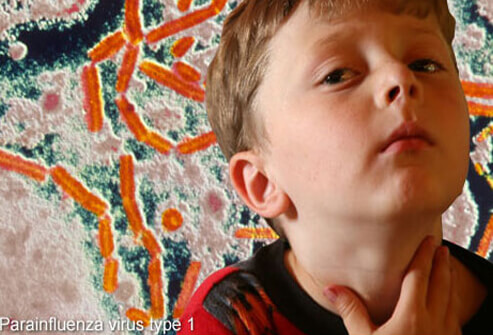
    Croup is common in young children. A number of different viruses cause croup, and inflammation of the upper airways, including the larynx (voice box) and trachea (windpipe), cause symptoms. These symptoms include a barking cough and stridor, a wheeze on inspiration. Most children with croup can be treated at home, but occasionally, when severe enough, hospitalization may be required. Treatment may include steroids and inhaled medications for the more severe cases. Always check with your doctor if you are concerned or if your child appears ill.

    Hand, Foot, and Mouth Disease

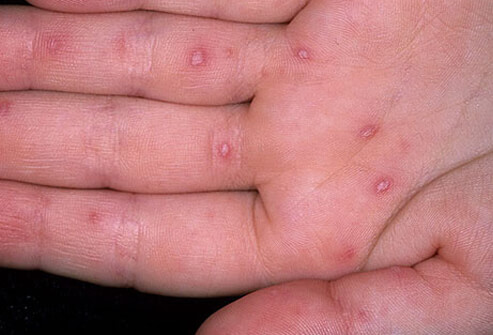
    Coxsackievirus causes hand, foot, and mouth disease. It is extremely common during the summer and early fall and resolves on its own after about 10 days. The virus causes fever, sore throat, and blisters inside the mouth, on the palms of the hands, and the soles of the feet, There is no medical treatment for the infection, except supportive care including pain relievers.

    Pinkeye

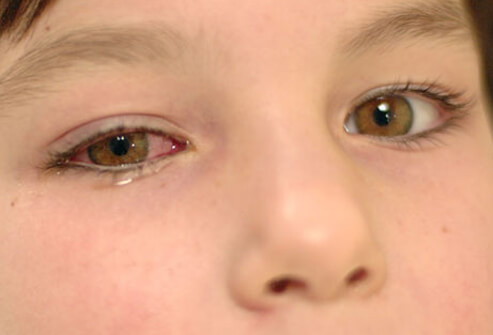
    Pinkeye is also called conjunctivitis. A virus is the most common cause of pinkeye, but a bacterial infection can cause it on occasion. Pinkeye is very contagious and can spread through schools and day cares quickly. Always talk with a health-care professional to determine whether additional therapy is needed, but most cases resolve within five days.

    Fifth Disease

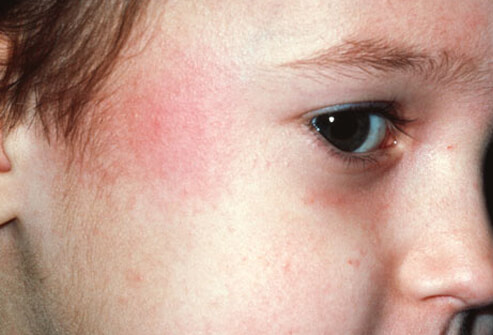
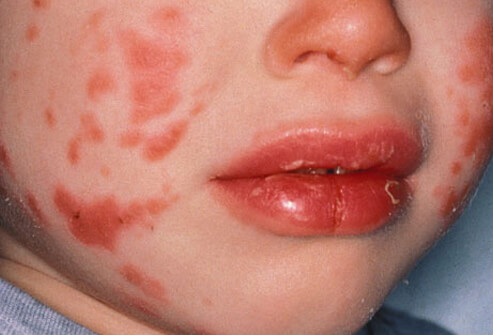
    A virus called parvovirus B19 causes fifth disease. This very common infection appears in the majority of children as a cold followed by a rash on the face and body. The typical description of the rash is a "slapped-cheek" appearance, since the rash is usually bright and appears as a reddish patch. The rash usually resolves within a week to 10 days. The only major risk of parvovirus is to pregnant women who have never been exposed to parvo in the past. There is a significant risk to the fetus for those individuals.

    Rotavirus

    Rotavirus infection is responsible for significant morbidity and mortality in children in less developed countries where access to the rotavirus vaccine is limited. The infection causes significant fever, vomiting, and diarrhea in children. This can often lead to serious problems with dehydration, especially in very young children and infants. Before the introduction of the vaccine in the United States, rotavirus infection was a very common cause for hospital admission. Current studies indicate that the virus has resulted in up to 95% fewer admissions due to rotavirus infection to hospitals as result of vaccination.

    Kawasaki Disease

    Kawasaki disease is a very serious disease that can mimic many infections. When unrecognized and untreated, it can result in severe damage to the coronary arteries of the heart, resulting in heart attack and sudden death in children. Luckily, most pediatricians are taught to look out for Kawasaki disease and learn to recognize the illness based on common signs and symptoms. These include high prolonged fever (greater than five days), a rash, cracked and dry lips, red eyes, enlarged neck lymph nodes, and swelling of the hands and feet. Hospitalization is recommended, and administration of IVIG (immunoglobulin) and aspirin are necessary. This treatment, when started early enough in the course of illness, prevents progression of the heart problems. The cause remains unknown.

    Chickenpox

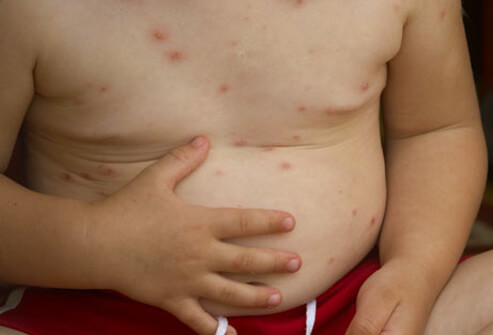
    The varicella virus causes chickenpox. Vaccination is routine now, and it is rare to see a regular case now. Before the vaccine, it was a very common cause of hospital admission. Though chickenpox infection is usually a benign (but uncomfortable) event in a child's life, there is a significant risk of severe complications, including bacterial skin infections, pneumonia, and others. That is the reason that vaccination is recommended and routine.

    Measles

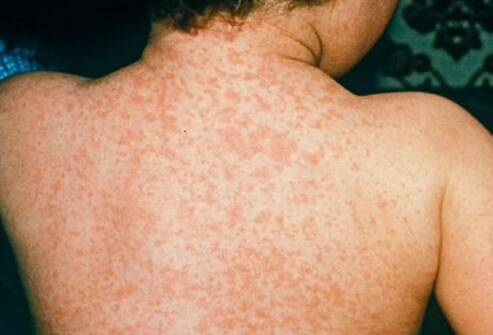
    The rubeola virus causes measles, and it used to be an extremely common childhood infection prior to routine vaccination. Unfortunately, due to an increased rate of vaccination refusals by parents, we are starting to see sporadic outbreaks amongst those groups. Measles is an acute viral illness that can lead to serious complications, even death, and generally begins with nonspecific symptoms such as high fever, runny nose, and cough. Following these symptoms, patients develop a rash that spreads from the face to the feet. Symptoms generally start one to two weeks after exposure, and the symptoms last for less than a week.

    Mumps

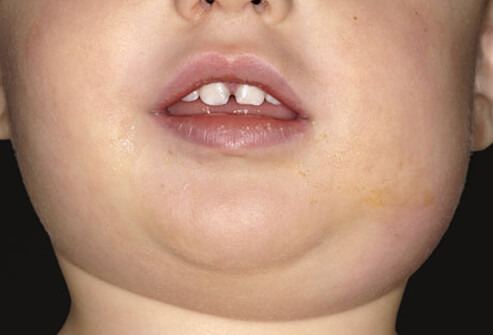
    Mumps is a viral illness that typically starts with flu-like symptoms and then results in acute painful swelling of the salivary glands (parotitis). Prior to routine vaccination, this was a very common illness. Symptoms generally appear more than two weeks after exposure, and the illness lasts seven to 10 days. As with many of the childhood viral illnesses, though most infections are mild, there is a real risk for complications, including meningitis and death.

    Rubella (German Measles)

    Rubella, also known as German measles, causes mild illness in most individuals. This is not the case for unvaccinated pregnant women. The virus can cause serious and fatal birth defects in the fetus. Vaccination is routine and has resulted in a huge decrease in the spread. The virus begins as a fever and rash and, in most cases, resolves after two to three days.

    Whooping Cough (Pertussis)

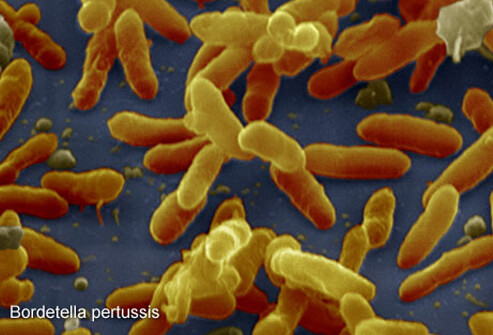
    Bordetella pertussis is the bacteria that cause whooping cough. It is highly contagious and is sometimes fatal in young children, especially babies. The infection is preventable with vaccination; however, it is often unrecognized in older children and adults. The infection usually begins with cold symptoms and then develops into a cough that is persistent and violent, making it hard to catch a breath. Whooping cough got its name due to the deep whooping inspiration many children and infants make after the cough stops. Vaccination is recommended for young children, teenagers, and adults.

    Meningitis

    Meningitis is an inflammation of the tissue surrounding the brain and spinal cord (meninges). Viruses or bacteria may cause meningitis. Symptoms include headache, stiff neck, fever, and malaise. Routine vaccination has decreased the incidence of many bacterial causes; however, viral causes are still common. Bacterial meningitis can result in severe outcomes, including permanent hearing loss, brain damage, and even death.

    Strep Throat

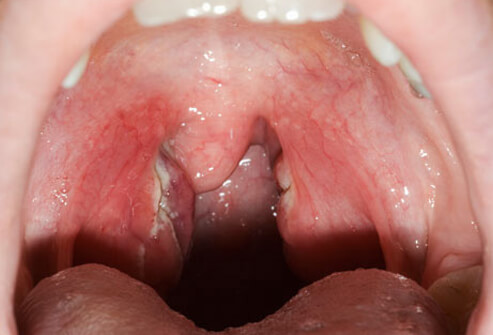
    A strain of Streptococcus, a common skin bacterium, causes strep throat. Symptoms include a sore throat and fever that lasts more than a few days. Often there may be a white-colored discharge (pus) in the back of the throat and enlarged lymph nodes on the neck. Strep throat will resolve on its own, however, antibiotics are recommended due to the risk of developing rheumatic heart disease, a serious but preventable consequence of strep infections.

    Scarlet Fever

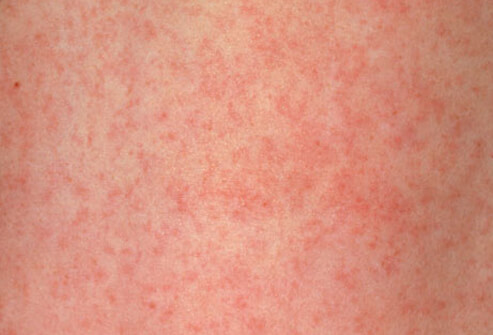
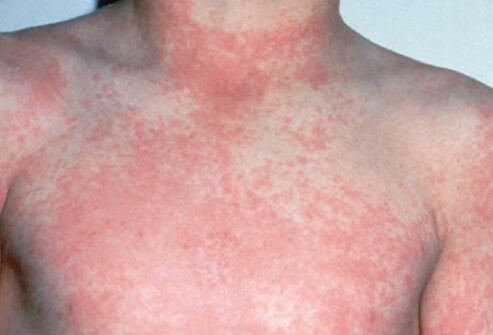
    A strep infection causes scarlet fever, which may appear after the throat infection. It is a common infection and starts with a fever and possibly sore throat, followed by a rash that begins on the chest and spreads to the rest of the body. Antibiotics are recommended to eradicate the bacteria and to prevent rheumatic fever and rheumatic heart disease.

    Reye's Syndrome

    Aspirin and aspirin-containing medications should never be given to children. Reye's syndrome is a potentially fatal illness that is caused by exposure to these medications and results in life-threatening liver failure and subsequent brain swelling. It is luckily an uncommon illness today since the recognition of aspirin exposure as a cause.

    MRSA (Staph Infection)

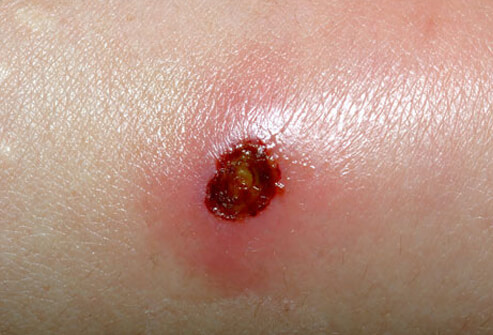
    MRSA, or methicillin-resistant Staph aureus, is an antibiotic-resistant organism that causes skin infections such as boils and abscesses (deep skin infections) or even worse. It is becoming more common and can spread and cause life-threatening infections in health-care facilities. What makes this more challenging is that many individuals are asymptomatic carriers and can spread it to susceptible individuals. Treatment may include antibiotics but not all require this.

    Impetigo

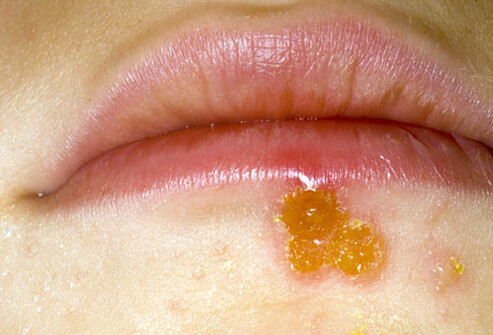
    Staph or strep, two very common skin bacteria, may cause impetigo. It generally appears as a bunch of small blisters that pop and form honey-colored crust. Impetigo can appear anywhere on the body and is most commonly diagnosed in young children. Antibiotics are necessary in most cases.

    Ringworm

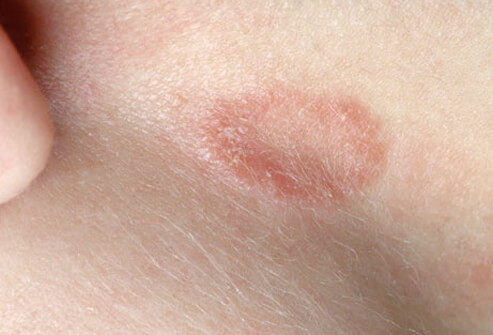
    A common fungus causes ringworm. This is not a "helminthic" disease (no worms involved). The name was developed due to the "worm-like" ring that is seen during these infections. Antifungal medications treat ringworm. It can spread from child to child, so care needs to be taken.

    Lyme Disease

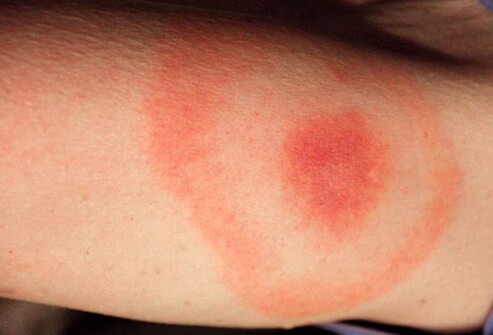
    Lyme disease is a common infection caused by a bacterium carried by a specific deer tick. Once bitten by an infected tick, there is a risk that the individual will develop the symptoms of Lyme disease, including rash, fever, body aches, and sometimes more severe symptoms involving the nervous system and joints. The rash is somewhat specific and appears as a large target-looking eruption one to two weeks after exposure. Lyme disease is hard to transmit unless the tick is attached for more than 24 hours. Antibiotics are the treatment of choice.

    Flu

    The flu typically is seen during the winter months and causes high fever, chills, body aches, and other symptoms. It usually resolves on its own, but in some, it can result in serious complications including pneumonia. Currently, annual vaccination is recommended universally for all people aged 6 months and older.

    Seasonal Allergies

    Seasonal allergies are the bane of many children and adults. Runny noses, sneezing, and puffy eyes are all common symptoms. Unfortunately, there is no cure for these; however, there are medications that can be taken to lessen the symptoms. Antihistamines are available as both prescription and nonprescription formulations and can be taken orally, used as nasal sprays, and even as eyedrops. The goal is to decrease the severity of the symptoms.

    0 comment
    0
    Facebook Twitter Google + Pinterest
    explainingmedicine

    previous post
    Baby Food & Nutrition: What to Feed Your Baby in Year 1
    next post
    Parenting: Parents’ Guide to Soothing Your Crying Baby

    Related Articles

    Acupuncture: Alternative Treatment for Pain and Other Conditions

    October 14, 2016

    Bed Bugs: Don’t Let the Bed Bugs Bite

    October 14, 2016

    Nasal Irrigation: Natural Relief for Cold & Allergy Symptoms

    October 14, 2016

    Dog Health: Behavioral Problems in Dogs

    October 15, 2016

    Exercise and Fitness: How to Build a Better Butt

    October 14, 2016

    Breast Cancer: 10 Things Young Women Should Know

    October 14, 2016

    Frighteningly Fattening Fall Foods: Keep Your Diet in Check This Fall

    October 14, 2016

    Abdominal Pain in Children: A ‘Tummy Ache,’ or Something Serious?

    October 14, 2016

    Dog Health: Is Your Dog Normal

    October 15, 2016

    Vitamin D: Do You Need a Vitamin D Supplement?

    October 14, 2016

    Recent Posts

    • Flu shot recommendation for kids dropped just as the illness rages

      January 12, 2026
    • The CDC just sidelined these childhood vaccines. Here’s what they prevent

      January 9, 2026
    • Your next primary care doctor could be online only, accessed through an AI tool

      January 9, 2026
    • In Lodge Grass, Montana, a Crow community works to rebuild from meth’s destruction

      January 8, 2026
    • RFK Jr.’s new dietary guidelines go all in on meat and dairy

      January 7, 2026

    Keep in touch

    Facebook Twitter Google + RSS

    Recent Posts

    • Flu shot recommendation for kids dropped just as the illness rages

      January 12, 2026
    • The CDC just sidelined these childhood vaccines. Here’s what they prevent

      January 9, 2026
    • Your next primary care doctor could be online only, accessed through an AI tool

      January 9, 2026
    • In Lodge Grass, Montana, a Crow community works to rebuild from meth’s destruction

      January 8, 2026
    • RFK Jr.’s new dietary guidelines go all in on meat and dairy

      January 7, 2026
    • Terms of Service
    • Privacy Policy

    @2026 - Explaining Medicine. All Right Reserved.


    Back To Top
    Explaining Medicine
    Proudly powered by WordPress Theme: soledad child.