Explaining Medicine
  • News
  • Health & Lifestyle
    • Diet & Weight Management
    • Exercise & Fitness
    • Nutrition, Food & Recipes
    • Prevention & Wellness
  • Conditions
    • Custom1
      • Conditions A-Z
      • Procedures A-Z
      • Allergies
      • Alzheimer’s
      • Arthritis
      • Asthma
      • Blood Pressure
      • Cholesterol
      • Cancer
    • Custom2
      • Chronic Pain
      • Cold Flu
      • Depression
      • Diabetes
      • Digestion
      • Eyesight
      • Health Living
      • Healthy Kids
      • Hearing Ear
    • Custom3
      • Heart
      • HIV/AIDS
      • Infectious Disease
      • Lung Conditions
      • Menopause
      • Men’s Health
      • Mental Health
      • Migraine
      • Neurology
    • Custom4
      • Oral Health
      • Pregnancy
      • Senior Health
      • Sexual Health
      • Skin Problems
      • Sleep
      • Thyroid
      • Travel Health
      • Women’s Health
  • Medications
    • Medications
    • Supplements and Vitamins
  • Medical Dictionary
  • Health Alerts
Flu shot recommendation for kids dropped just as...
The CDC just sidelined these childhood vaccines. Here’s...
Your next primary care doctor could be online...
In Lodge Grass, Montana, a Crow community works...
RFK Jr.’s new dietary guidelines go all in...
More seniors are becoming homeless. Shelters are trying...
Health officials slash the number of vaccines recommended...
Wegovy obesity pill now available at pharmacies
In the U.S., hunger is often hidden. But...
One doctor’s experience shows the battle for the...
Top Posts

Explaining Medicine

  • News
  • Health & Lifestyle
    • Diet & Weight Management
    • Exercise & Fitness
    • Nutrition, Food & Recipes
    • Prevention & Wellness
  • Conditions
    • Custom1
      • Conditions A-Z
      • Procedures A-Z
      • Allergies
      • Alzheimer’s
      • Arthritis
      • Asthma
      • Blood Pressure
      • Cholesterol
      • Cancer
    • Custom2
      • Chronic Pain
      • Cold Flu
      • Depression
      • Diabetes
      • Digestion
      • Eyesight
      • Health Living
      • Healthy Kids
      • Hearing Ear
    • Custom3
      • Heart
      • HIV/AIDS
      • Infectious Disease
      • Lung Conditions
      • Menopause
      • Men’s Health
      • Mental Health
      • Migraine
      • Neurology
    • Custom4
      • Oral Health
      • Pregnancy
      • Senior Health
      • Sexual Health
      • Skin Problems
      • Sleep
      • Thyroid
      • Travel Health
      • Women’s Health
  • Medications
    • Medications
    • Supplements and Vitamins
  • Medical Dictionary
  • Health Alerts
  • Slideshows

    Dog Health: Dangerous Foods That Dogs Should Never Eat

    by explainingmedicine October 14, 2016

    Dangerous Foods for Dogs

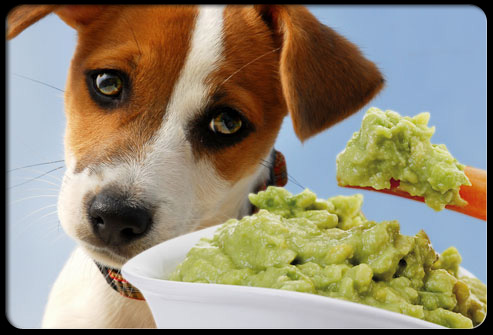
    Who can resist those big brown eyes and cute doggie grin? Can a little reward from the table really hurt your dog? Well, that depends on what it is and what's in it. A chip with guacamole can cause your dog some real problems. In fact, there's a lot of people food your dog should never eat. And, it's not just because of weight. Some foods are downright dangerous for dogs -- and some of these common foods may surprise you.

    Avocado

    No matter how good you think the guacamole is, you shouldn't give it to your dog. Avocados contain a substance called persin. It's harmless for humans who aren't allergic. But large amounts might be toxic to dogs. If you happen to be growing avocados at home, keep your dog away from the plants. Persin is in the leaves, seed, and bark, as well as in the fruit.

    Alcohol

    Beer, liquor, wine, foods containing alcohol -- none of it's good for your dog. That's because alcohol has the same effect on a dog's liver and brain that it has on humans. But it takes far less to do its damage. Just a little can cause vomiting, diarrhea, central nervous system depression, problems with coordination, difficulty breathing, coma, even death. And the smaller the dog, the greater the effect.

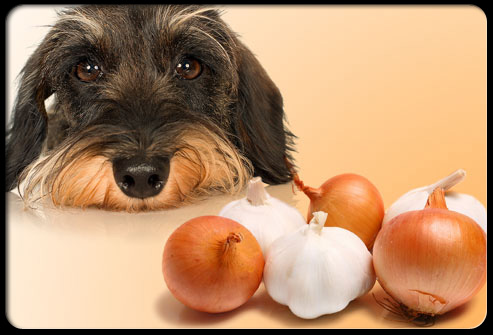
    Onions and Garlic

    Onions and garlic in all forms -- powdered, raw, cooked, or dehydrated -- can destroy a dog's red blood cells, leading to anemia. That can happen even with the onion powder found in some baby food. An occasional small dose is probably OK. But just eating a large quantity once or eating smaller amounts regularly can cause poisoning. Symptoms of anemia include weakness, vomiting, little interest in food, dullness, and breathlessness.

    Coffee, Tea and Other Caffeine

    Caffeine in large enough quantities can be fatal for a dog. And, there is no antidote. Symptoms of caffeine poisoning include restlessness, rapid breathing, heart palpitations, muscle tremors, fits, and bleeding. In addition to tea and coffee - including beans and grounds -- caffeine can be found in cocoa, chocolate, colas, and stimulant drinks such as Red Bull. It's also in some cold medicines and pain killers.

    Grapes and Raisins

    Grapes and raisins have often been used as treats for dogs. But it's not a good idea. Although it isn't clear why, grapes and raisins can cause kidney failure in dogs. And just a small amount can make a dog ill. Repeated vomiting is an early sign. Within a day, the dog will become lethargic and depressed. The best prevention is to keep grapes and raisins off counters and other places your dog can reach.

    Milk and Other Dairy Products

    On a hot day, it may be tempting to share your ice cream cone with your dog. But if your dog could, it would thank you for not doing so. Milk and milk-based products can cause diarrhea and other digestive upset as well as set up food allergies (which often manifest as itchiness).

    Macadamia Nuts

    Dogs shouldn't eat macadamia nuts or foods with them because they can be fatal. As few as six raw or roasted macadamias can make them ill. Symptoms of poisoning include muscle tremors, weakness or paralysis of the hindquarters, vomiting, elevated body temperature, and rapid heart rate. Eating chocolate with the nuts will make symptoms worse, possibly leading to death.

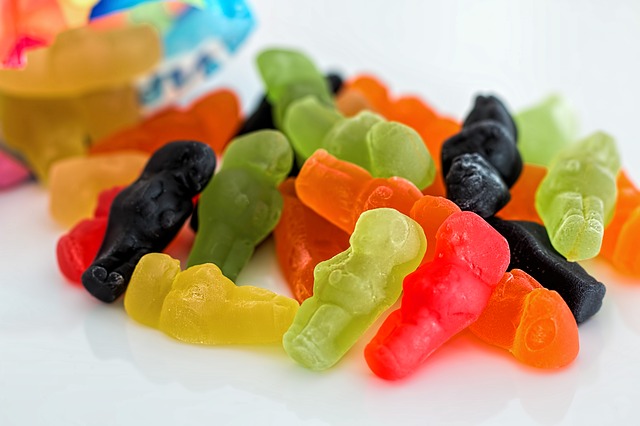
    Candy and Gum

    Candy, gum, toothpaste, baked goods, and some diet foods are sweetened with xylitol. It can cause more insulin to circulate through your dog's body. That can cause his blood sugar to drop and can also cause liver failure. Initial symptoms include vomiting, lethargy, and loss of coordination. Eventually, he may have seizures. Liver failure can occur within just a few days.

    Chocolate

    Most people know that chocolate is bad for dogs. The toxic part is theobromine. It's in all kinds of chocolate, even white. The most dangerous kinds, though, are dark chocolate, chocolate mulch, and unsweetened baking chocolate. Eating it, even just licking the icing bowl, can cause a dog to vomit, have diarrhea, and be excessively thirsty. It can also cause abnormal heart rhythm, tremors, seizures, and death.

    Fat Trimmings and Bones

    Table scraps often contain meat fat that a human didn't eat as well as bones. Both are dangerous for dogs. Fat trimmed from meat, both cooked and uncooked, can cause pancreatitis. And, although it seems natural to give a dog a bone, he can choke on it. Bones can also splinter and cause an obstruction or lacerations of your dog's digestive system. It's best to just forget about the doggie bag.

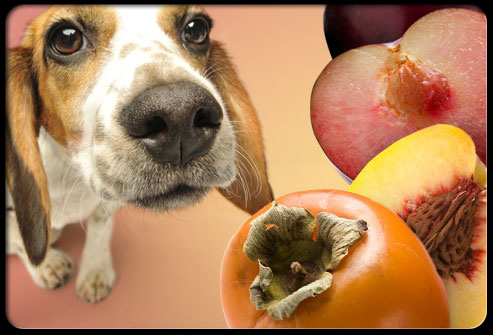
    Persimmons, Peaches and Plums

    The problem with these fruits is the seeds or pits. The seeds from persimmons can cause inflammation of the small intestine in dogs. They can also cause intestinal obstruction. Obstruction is also a possibility if a dog eats the pit from a peach or plum. Plus, peach and plum pits contain cyanide, which is poisonous to both humans and dogs. The difference is humans know not to eat them. Dogs don't.

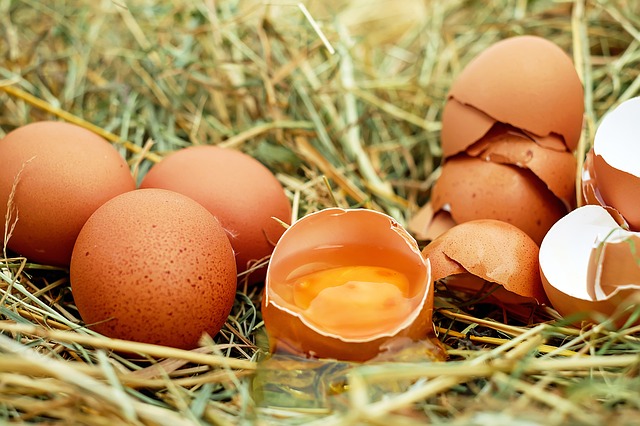
    Raw Eggs

    There are two problems with giving your dog raw eggs. The first is the possibility of food poisoning from bacteria like Salmonella or E. coli. The second is that an enzyme in raw eggs interferes with the absorption of a particular B vitamin. This can cause skin problems as well as problems with your dog's coat if she's been eating them for a long time.

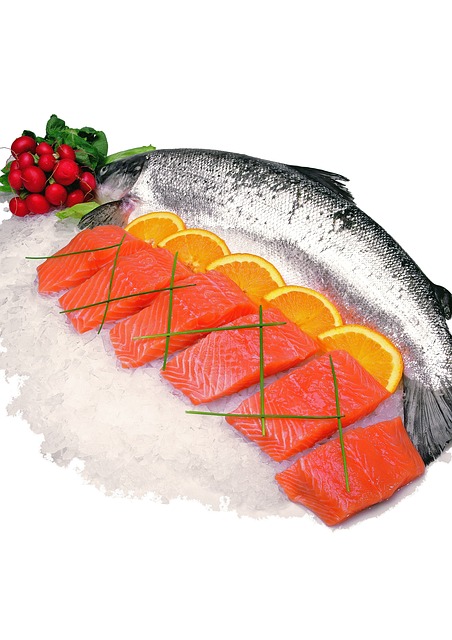
    Raw Meat and Fish

    Raw meat and raw fish, like raw eggs, can contain bacteria that causes food poisoning. In addition, certain kinds of fish such as salmon, trout, shad, or sturgeon can contain a parasite that causes "fish disease" or "salmon poisoning disease." If not treated, the disease can be fatal within two weeks. The first signs of illness are vomiting, fever, and big lymph nodes. Thoroughly cooking the fish will kill the parasite and protect your dog.

    Salt

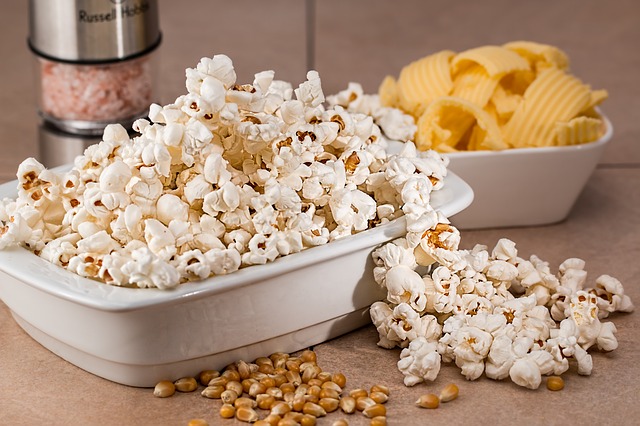
    It's not a good idea to share salty foods like chips or pretzels with your dog. Eating too much salt can cause excessive thirst and urination and lead to sodium ion poisoning. Symptoms of too much salt include vomiting, diarrhea, depression, tremors, elevated body temperature, and seizures. It may even cause death.

    Sugary Foods and Drinks

    Too much sugar can do the same thing to dogs that it does to humans. It can lead to obesity, dental problems, and possibly the onset of diabetes.

    Yeast Dough

    Before it's baked, bread dough needs to rise. And, that's exactly what it would do in your dog's stomach if she ate it. As it swells inside, the dough can stretch a dog's abdomen and cause severe pain. In addition, when the yeast ferments the dough to make it rise, it makes alcohol that can lead to alcohol poisoning.

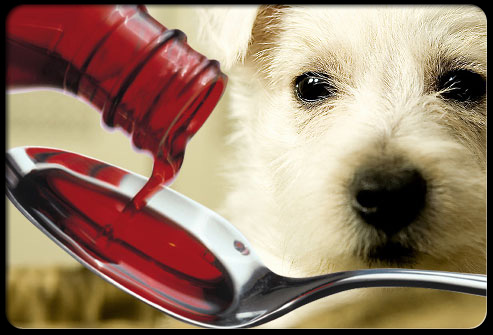
    Your Medicine

    Reaction to a drug prescribed for humans is the most common cause of poisoning in dogs. Just as you would do for your children, keep all medicines out of your dog's reach. And, never give your dog any over-the-counter medicine unless your vet tells you to. Ingredients such as acetaminophen or ibuprofen are often in pain relievers and cold medicine. And they can be deadly for your dog.

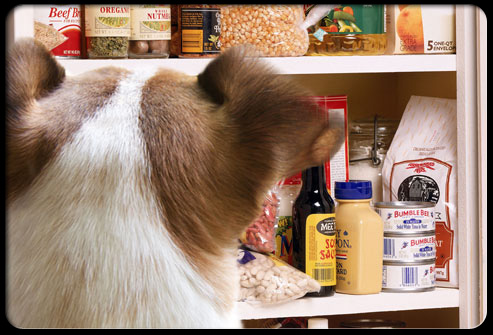
    Kitchen Pantry: No Dogs Allowed

    Many items found on kitchen shelves can harm your dog. For instance, baking powder and baking soda are both highly toxic. So are nutmeg and other spices. Keep food items high enough to be out of your dog's reach and keep pantry doors closed to help protect your dog from serious food-related illness.

    If Your Dog Eats What It Shouldn't

    Dogs explore with their mouth. And, no matter how cautious you are, it's possible your dog can find and swallow what it shouldn't. It's a smart idea to always keep the number of your local vet, the closest emergency clinic, and the ASPCA Animal Poison Control Center -- (888) 426-4435 -- where you know you can find it in an emergency. And, if you think your dog has consumed something that's toxic, call for emergency help at once.

    What Dogs Can Eat

    Ask your vet to recommend a quality dog food to be sure your dog has a healthy, well-balanced diet. A well-designed food gives your dog all the nutrients it needs for an active and healthy life. But that doesn't mean you can't sometimes give your four-legged friend human food as a special treat -- as long as you limit portions, and the foods are cooked, pure, and not fatty or heavily seasoned. The next few slides have some tasty suggestions. If you're looking to human food as a meal replacement, talk to your vet about how much and how often.

    Safe: Lean Meats

    Most dogs are fine eating lean cuts of meat that have been thoroughly cooked. Be sure to remove all visible fat -- including the skin on poultry. Also be sure that there are no bones in the meat before you give it to your dog.

    Safe: Some Fresh Fruits

    Slices of apples, oranges, bananas, and watermelon make tasty treats for your dog. Be sure to remove any seeds, stems, and leaves first, because they can cause serious problems.

    Safe: Some Vegetables

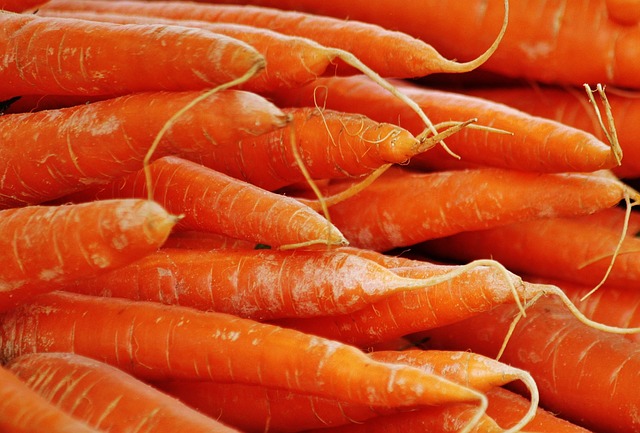
    Your dog can have a healthy snack of carrot sticks, green beans, cucumber slices, or zucchini slices. Even a plain baked potato is OK. Be sure, though, not to let your dog eat any raw potatoes or any potato plants it might have access to in your garden.

    Safe: Cooked White Rice and Pasta

    Dogs may enjoy plain white rice or pasta after it's cooked. A serving of plain white rice with some boiled chicken can also provide welcome relief from gastrointestinal upset.

    0 comment
    0
    Facebook Twitter Google + Pinterest
    explainingmedicine

    previous post
    Organ Donations Spike In The Wake Of The Opioid Epidemic
    next post
    Dog Health: 25 Most Popular Dog Breeds and Their Health Issues

    Related Articles

    Phobias: What Are You Afraid Of?

    October 14, 2016

    Pancreatic Cancer: Know The Signs of Pancreatic Cancer

    October 14, 2016

    Sexual Health: Men – Tips to Unzip Your Sex Life and Make it Great

    October 14, 2016

    Atrial Fibrillation: Tips for Living with Atrial Fibrillation

    October 14, 2016

    Alzheimer’s Disease: A Caregiver’s Guide

    October 14, 2016

    Foot Problems: How To Keep Your Feet Healthy

    October 14, 2016

    Cold & Flu: Home Remedies for Sick Children

    October 14, 2016

    Heart Health: 12 Possible Heart Symptoms Never to Ignore

    October 14, 2016

    Brain Foods: Smart Foods & Beverages for your Diet

    October 14, 2016

    Menopause and Sex: 10 Ways to Deal With Menopause Symptoms

    October 15, 2016

    Recent Posts

    • Flu shot recommendation for kids dropped just as the illness rages

      January 12, 2026
    • The CDC just sidelined these childhood vaccines. Here’s what they prevent

      January 9, 2026
    • Your next primary care doctor could be online only, accessed through an AI tool

      January 9, 2026
    • In Lodge Grass, Montana, a Crow community works to rebuild from meth’s destruction

      January 8, 2026
    • RFK Jr.’s new dietary guidelines go all in on meat and dairy

      January 7, 2026

    Keep in touch

    Facebook Twitter Google + RSS

    Recent Posts

    • Flu shot recommendation for kids dropped just as the illness rages

      January 12, 2026
    • The CDC just sidelined these childhood vaccines. Here’s what they prevent

      January 9, 2026
    • Your next primary care doctor could be online only, accessed through an AI tool

      January 9, 2026
    • In Lodge Grass, Montana, a Crow community works to rebuild from meth’s destruction

      January 8, 2026
    • RFK Jr.’s new dietary guidelines go all in on meat and dairy

      January 7, 2026
    • Terms of Service
    • Privacy Policy

    @2026 - Explaining Medicine. All Right Reserved.


    Back To Top
    Explaining Medicine
    Proudly powered by WordPress Theme: soledad child.