Explaining Medicine
  • News
  • Health & Lifestyle
    • Diet & Weight Management
    • Exercise & Fitness
    • Nutrition, Food & Recipes
    • Prevention & Wellness
  • Conditions
    • Custom1
      • Conditions A-Z
      • Procedures A-Z
      • Allergies
      • Alzheimer’s
      • Arthritis
      • Asthma
      • Blood Pressure
      • Cholesterol
      • Cancer
    • Custom2
      • Chronic Pain
      • Cold Flu
      • Depression
      • Diabetes
      • Digestion
      • Eyesight
      • Health Living
      • Healthy Kids
      • Hearing Ear
    • Custom3
      • Heart
      • HIV/AIDS
      • Infectious Disease
      • Lung Conditions
      • Menopause
      • Men’s Health
      • Mental Health
      • Migraine
      • Neurology
    • Custom4
      • Oral Health
      • Pregnancy
      • Senior Health
      • Sexual Health
      • Skin Problems
      • Sleep
      • Thyroid
      • Travel Health
      • Women’s Health
  • Medications
    • Medications
    • Supplements and Vitamins
  • Medical Dictionary
  • Health Alerts
Flu shot recommendation for kids dropped just as...
The CDC just sidelined these childhood vaccines. Here’s...
Your next primary care doctor could be online...
In Lodge Grass, Montana, a Crow community works...
RFK Jr.’s new dietary guidelines go all in...
More seniors are becoming homeless. Shelters are trying...
Health officials slash the number of vaccines recommended...
Wegovy obesity pill now available at pharmacies
In the U.S., hunger is often hidden. But...
One doctor’s experience shows the battle for the...
Top Posts

Explaining Medicine

  • News
  • Health & Lifestyle
    • Diet & Weight Management
    • Exercise & Fitness
    • Nutrition, Food & Recipes
    • Prevention & Wellness
  • Conditions
    • Custom1
      • Conditions A-Z
      • Procedures A-Z
      • Allergies
      • Alzheimer’s
      • Arthritis
      • Asthma
      • Blood Pressure
      • Cholesterol
      • Cancer
    • Custom2
      • Chronic Pain
      • Cold Flu
      • Depression
      • Diabetes
      • Digestion
      • Eyesight
      • Health Living
      • Healthy Kids
      • Hearing Ear
    • Custom3
      • Heart
      • HIV/AIDS
      • Infectious Disease
      • Lung Conditions
      • Menopause
      • Men’s Health
      • Mental Health
      • Migraine
      • Neurology
    • Custom4
      • Oral Health
      • Pregnancy
      • Senior Health
      • Sexual Health
      • Skin Problems
      • Sleep
      • Thyroid
      • Travel Health
      • Women’s Health
  • Medications
    • Medications
    • Supplements and Vitamins
  • Medical Dictionary
  • Health Alerts
  • Slideshows

    Atrial Fibrillation: Tips for Living with Atrial Fibrillation

    by explainingmedicine October 14, 2016

    Don't Ignore the Warning Signs

    Atrial fibrillation – AFib for short - is the most common type of irregular heartbeat (cardiac arrhythmia). Some people with AFib have no symptoms at all, while others can have symptoms so severe they result in stroke, heart attach, or heart failure. Symptoms of AFib can include dizziness, fatigue, weakness, shortness of breath, and chest pain. It may feel like you hear "skips" a beat. See a doctor if you have any symptoms of AFib or other symptoms that concern you.
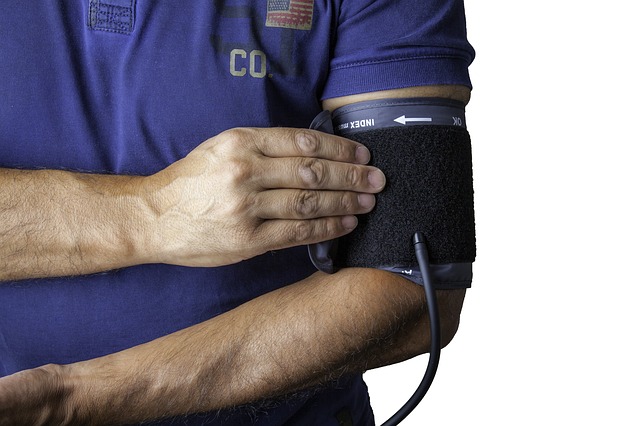

    Control Diabetes and Blood Pressure

    AFib alone raises stroke risk. Put that together with high blood pressure (the most common cause of stroke), or diabetes (people with diabetes are four times more likely to have a stroke than those without) and you increase your chance of stroke even more. If you have AFib, keep your diabetes in check by eating a healthy, balanced diet low in sugar. Maintain a healthy weight and exercise regularly to lower your risk of high blood pressure.

    Eat a Heart-Healthy Diet

    Eat a heart-healthy diet to reduce your risk for AFib. The American Heart Association recommends a diet low in fat and cholesterol. Choose nutrient-rich foods including fruits and vegetables, whole grains, low-fat dairy products, skinless poultry and fish, and nuts and legumes. Limit saturated fat, trans fat, sodium, red meats, and sugar.

    Quit Smoking

    Smoking is detrimental to your body and your health in every respect, and it can increase your chances of developing atrial fibrillation, heart disease, and stroke. Try smoking cessation aids such as the nicotine patch, gum, or lozenges. Talk to your doctor about kicking the habit, as there are also medical treatments available to help you quit.

    Take Care With Blood Thinners

    Taking blood thinners (anticoagulants) can reduce the risk of having a stroke in patients with AFib by up to 70 percent. But it's important to know that these medications can interact with some foods, supplements, or other medications. Talk to your doctor to find out what foods you can eat, and which ones you should avoid, while you are taking anticoagulants.

    Limit Alcohol and Stimulants

    If you have atrial fibrillation, it's probably ok to have a drink or two on occasion. Moderation is key. But large amounts of alcohol should be avoided as it can increase your risk of developing AFib by 50%. Alcohol can also affect blood thinners you may be taking, and increase your risk of bleeding.

    Some over-the-counter drugs including stimulants such as decongestants with pseudoephedrine may also cause irregular heartbeats and should be avoided if you have AFib.

    Don't Overdo the Coffee

    While caffeine has not been shown to be a risk factor for developing atrial fibrillation, caffeine can raise your blood pressure and increase your heart rate, which may trigger an episode of AFib if you already have it. Moderate coffee intake of 2-3 cups per day is usually ok, but if you are not used to caffeine it may affect you more strongly.

    Get Your Body Moving

    Exercise and physical activity are important for overall health and well being. Regular activity can keep your weight in check and reduce your risk of complications from heart disease and other illness. However, vigorous activity may trigger or aggravate AFib so before starting any kind of exercise program, it's important to talk to your doctor and find out what kind of exercise program is best for you. Start slowly by walking and increase the amount of time or the intensity of the activity as you become more fit.

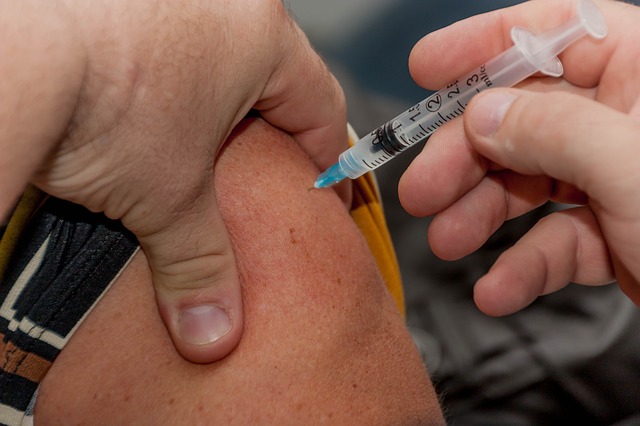
    Don't Skip Your Shots

    People who have heart disease, including atrial fibrillation, are at higher risk for developing complications from the flu (influenza). Stay healthy and get your flu vaccine each year.

    Cut Down on Stress

    Stress is a major factor in triggering episodes of arrhythmia in people who have AFib. In addition, chronic stress is often associated with habits that are bad for your heart such as smoking and excessive alcohol intake. The good news is that a study in the American College of Cardiology found practicing yoga just one hour, twice a week improves your heart rhythm and lowers blood pressure and heart rate – which may reduce the frequency of AFib episodes. Yoga can also improve your overall mood and outlook by decreasing depression and anxiety – which decreases stress.

    0 comment
    0
    Facebook Twitter Google + Pinterest
    explainingmedicine

    previous post
    Atrial Fibrillation: Visual Guidelines to Causes, Tests and Treatment
    next post
    Low Testosterone: What Are the Effects of Low T?

    Related Articles

    Dandruff (Seborrhea): Causes, Treatments and Prevention

    October 14, 2016

    Cold and Flu: Treating Your Child’s Cold or Fever

    October 14, 2016

    Healthy Eating: Simple Secrets to Portion Control and Nutrition Labels

    October 14, 2016

    Skin and Beauty: How to Get Perfect Eyebrows and Eyelashes

    October 14, 2016

    Whooping Cough: More on Pertussis & Whooping Cough Prevention

    October 14, 2016

    Spider & Varicose Veins: See The Before-and-After Photos

    October 14, 2016

    Summer Skin Hazards: Stay Safe This Summer

    October 14, 2016

    Erectile Dysfunction (ED): Causes and Treatment

    October 14, 2016

    Cold Sores: When Are Cold Sores Contagious?

    October 14, 2016

    Diabetes: Celebrities With Diabetes

    October 14, 2016

    Recent Posts

    • Flu shot recommendation for kids dropped just as the illness rages

      January 12, 2026
    • The CDC just sidelined these childhood vaccines. Here’s what they prevent

      January 9, 2026
    • Your next primary care doctor could be online only, accessed through an AI tool

      January 9, 2026
    • In Lodge Grass, Montana, a Crow community works to rebuild from meth’s destruction

      January 8, 2026
    • RFK Jr.’s new dietary guidelines go all in on meat and dairy

      January 7, 2026

    Keep in touch

    Facebook Twitter Google + RSS

    Recent Posts

    • Flu shot recommendation for kids dropped just as the illness rages

      January 12, 2026
    • The CDC just sidelined these childhood vaccines. Here’s what they prevent

      January 9, 2026
    • Your next primary care doctor could be online only, accessed through an AI tool

      January 9, 2026
    • In Lodge Grass, Montana, a Crow community works to rebuild from meth’s destruction

      January 8, 2026
    • RFK Jr.’s new dietary guidelines go all in on meat and dairy

      January 7, 2026
    • Terms of Service
    • Privacy Policy

    @2026 - Explaining Medicine. All Right Reserved.


    Back To Top
    Explaining Medicine
    Proudly powered by WordPress Theme: soledad child.