Explaining Medicine
  • News
  • Health & Lifestyle
    • Diet & Weight Management
    • Exercise & Fitness
    • Nutrition, Food & Recipes
    • Prevention & Wellness
  • Conditions
    • Custom1
      • Conditions A-Z
      • Procedures A-Z
      • Allergies
      • Alzheimer’s
      • Arthritis
      • Asthma
      • Blood Pressure
      • Cholesterol
      • Cancer
    • Custom2
      • Chronic Pain
      • Cold Flu
      • Depression
      • Diabetes
      • Digestion
      • Eyesight
      • Health Living
      • Healthy Kids
      • Hearing Ear
    • Custom3
      • Heart
      • HIV/AIDS
      • Infectious Disease
      • Lung Conditions
      • Menopause
      • Men’s Health
      • Mental Health
      • Migraine
      • Neurology
    • Custom4
      • Oral Health
      • Pregnancy
      • Senior Health
      • Sexual Health
      • Skin Problems
      • Sleep
      • Thyroid
      • Travel Health
      • Women’s Health
  • Medications
    • Medications
    • Supplements and Vitamins
  • Medical Dictionary
  • Health Alerts
Flu shot recommendation for kids dropped just as...
The CDC just sidelined these childhood vaccines. Here’s...
Your next primary care doctor could be online...
In Lodge Grass, Montana, a Crow community works...
RFK Jr.’s new dietary guidelines go all in...
More seniors are becoming homeless. Shelters are trying...
Health officials slash the number of vaccines recommended...
Wegovy obesity pill now available at pharmacies
In the U.S., hunger is often hidden. But...
One doctor’s experience shows the battle for the...
Top Posts

Explaining Medicine

  • News
  • Health & Lifestyle
    • Diet & Weight Management
    • Exercise & Fitness
    • Nutrition, Food & Recipes
    • Prevention & Wellness
  • Conditions
    • Custom1
      • Conditions A-Z
      • Procedures A-Z
      • Allergies
      • Alzheimer’s
      • Arthritis
      • Asthma
      • Blood Pressure
      • Cholesterol
      • Cancer
    • Custom2
      • Chronic Pain
      • Cold Flu
      • Depression
      • Diabetes
      • Digestion
      • Eyesight
      • Health Living
      • Healthy Kids
      • Hearing Ear
    • Custom3
      • Heart
      • HIV/AIDS
      • Infectious Disease
      • Lung Conditions
      • Menopause
      • Men’s Health
      • Mental Health
      • Migraine
      • Neurology
    • Custom4
      • Oral Health
      • Pregnancy
      • Senior Health
      • Sexual Health
      • Skin Problems
      • Sleep
      • Thyroid
      • Travel Health
      • Women’s Health
  • Medications
    • Medications
    • Supplements and Vitamins
  • Medical Dictionary
  • Health Alerts
  • Slideshows

    Eating Disorders: Anorexia, Bulimia, Binge Eating

    by explainingmedicine October 14, 2016

    What Is an Eating Disorder?

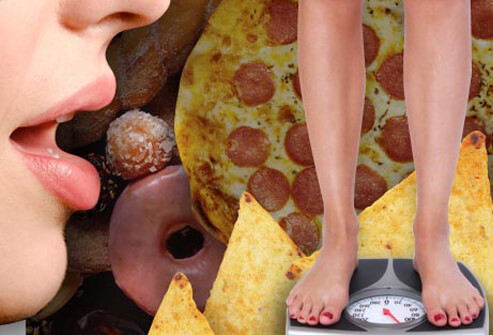
    Eating disorders are illnesses characterized by unhealthy behaviors associated with food or eating, such as starving, overeating, or binging.


    Types of Eating Disorders

    • Binge eating
    • Anorexia nervosa
    • Bulimia nervosa
    • Night eating syndrome
    • Pica
    • Rumination disorder

    Without treatment, many of these conditions can lead to serious health risks.

    What Is Binge Eating Disorder?

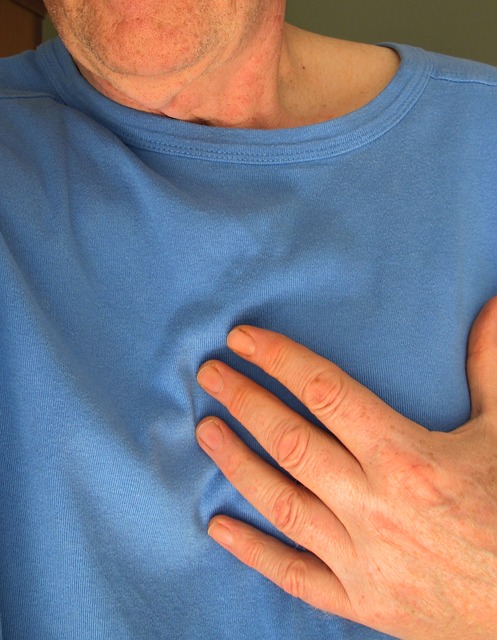
    Binge eating disorder is the most common eating disorder, involving episodes of extreme overeating. Both males and females are affected, and most of those affected are overweight or obese. Unlike bulimia, there is no association with purging the excess calories by vomiting, fasting, or intense exercise. Binge eating disorder can occur at any age, but it is often diagnosed in middle-aged people. This condition can cause serious problems.


    Binge Eating Disorder Complications

    • Type 2 diabetes
    • Heart disease
    • Hypertension

    Signs of Binge Eating Disorder

    Binge eating disorder is more than simply overeating from time to time. Sufferers of binge eating disorder describe a loss of control associated with eating. They may eat quickly, binge when they are not hungry, or eat until they are painfully full.

    What Triggers Binge Eating?

    • Anxiety
    • Stress
    • Boredom
    • Depression

    Binge Eating Disorder and Guilt

    After an episode of binge eating, sufferers may feel guilty, ashamed, or depressed. This can cause a vicious cycle that leads to further episodes of binging. The feelings of guilt often cause people to hide the behavior, making it hard to detect or properly diagnose.

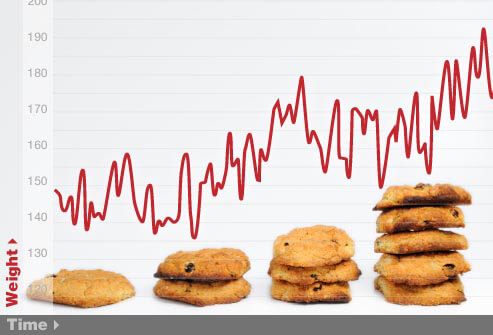
    Binge Eating Disorder and Weight Change

    Weight fluctuations are a typical symptom of binge eating disorder, since binge eaters may diet to make up for the binge episodes. Weight-loss attempts are not likely to be successful until the binging behavior is controlled.

    Diagnosing Binge Eating Disorder

    One diagnostic sign of binge eating disorder is binging at least twice a week for a period of six months or longer. As mentioned, people may hide this behavior so it is even more difficult to diagnose. The diagnostic process typically also includes a physical exam and a thorough exploration of family history, medical history, and eating habits.

    How to Stop Binge Eating Disorder

    A combination of modalities may be used to manage binge eating disorder. Cognitive behavioral therapy can help identify and change unhealthy thinking patterns that lead to binging episodes. Other helpful treatments include nutrition counseling, family therapy, and support groups. Weight-loss programs can help the sufferer achieve and maintain a healthy weight. Medications may be prescribed to help manage depression if it is present.

    What Is Anorexia Nervosa?

    Anorexia nervosa is a condition characterized by an abnormal fear of gaining weight, driving people to starve themselves and become dangerously thin. It is more common in females but does occur in males as well. Sometimes a life change or traumatic event may be associated with the development of the illness, or even a desire to excel in sports. Anorexia poses serious health risks but can be successfully treated.

    Anorexia and Rapid Weight Loss

    Those who suffer from anorexia adopt numerous strategies to lose weight. In addition to starving themselves, they may abuse diuretics or laxatives or take diet pills. Despite appearing perilously thin, they may continue to push themselves to lose weight.

    Anorexia and Food Obsession

    Many people with anorexia are obsessed with food -- thinking about it constantly even though they eat little. Other behaviors may include weighing food, calorie counting, careful portioning of food, or consuming very small amounts of restricted foods. Others may move food around on the plate without eating any of it.

    Anorexia and False Body Image

    Despite their thin appearance, people with anorexia nervosa typically see themselves as fat or overweight. They may be critical and perfectionistic in regard to themselves. The urge to achieve a perfect body can become a life-threatening obsession.

    Other Signs of Anorexia

    Anorexia can cause long-term health problems, including bone thinning, anemia, heart damage, and organ failure. It can also be fatal.


    Typical Signs and Symptoms of Anorexia Nervosa

    • Yellowish skin
    • Brittle nails and hair
    • Sensitivity to cold
    • Lethargy
    • Constipation
    • Absence of menstrual periods (amenorrhea)

    Diagnosing Anorexia Nervosa

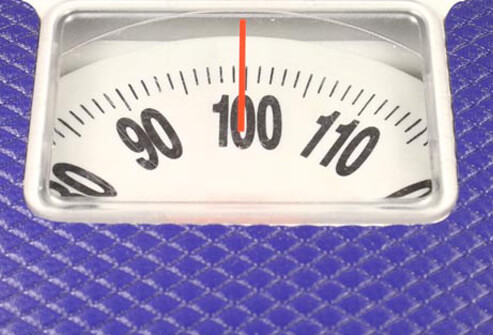
    To diagnose anorexia nervosa, tests may be performed to rule out other causes of weight loss and wasting. Typical signs include being less than 85% of normal weight, having an intense fear of gaining weight, and having a markedly distorted body image. Getting a prompt diagnosis is important since this condition can have serious health consequences.

    Anorexia and Suicide Warning Signs

    Those who suffer from anorexia may have other mental-health problems such as anxiety, substance abuse, or depression. Some may think about suicide. If you or someone who know is having suicidal thoughts, call 911 or the national suicide hotline: 800-273-TALK (800-273-8255). Risky behaviors, talking about death or suicide, and withdrawing from loved ones are all warning signs.

    Anorexia Treatment: Hospitalization

    If a person with anorexia nervosa has suicidal thoughts or has serious health complications from the condition, a short hospital stay may be required to begin treatment. Other treatment programs involve attending daytime outpatient appointments while living at home.

    Anorexia Treatment: Therapy

    Family therapy, including parents, is helpful for young people with anorexia. Food and nutrition counseling are part of an effective treatment.


    Anorexia Treatment’s Three Main Objectives

    • Restoring a healthy weight
    • Reducing thoughts or behaviors that could lead to relapse
    • Managing accompanying psychological problems

    Medications for Anorexia

    Medications, including antidepressants, can be prescribed to help manage mood problems in people suffering from anorexia. Medications are effective for some people while others may relapse. A combined approach of medications along with psychotherapy tends to be most effective.

    What Is Bulimia?

    Bulimia is characterized by episodes of binging and purging. Purging is commonly self-induced vomiting, but it can also include the misuse of diet pills, laxatives, diuretics, or excessive exercise. Up to 90% of those affected are female, and the condition often develops in teens and young adults. Factors thought to be involved in bulimia include life stresses, biological factors, and societal pressure to be thin. Treatment can help.

    Bulimia: Binge Eating and Purging

    For a person with bulimia, binging and purging can occur many times in one day or a few times a week. Purging may involve self-induced vomiting, laxatives, or excessive exercise. The binging is associated with a feeling of loss of control, and sufferers may try to hide the behaviors.

    Bulimia and Weight Obsession

    In contrast to anorexia, those with bulimia are usually of normal weight or slightly overweight. They have an intense fear of gaining weight and may have a distorted body image, believing they are very overweight.

    Bulimia and Depression

    The cycle of binging and purging is associated with an attempt to control negative thoughts in many people. They may experience depression or anxiety. Others may struggle with substance abuse. Other symptoms can include mood changes and withdrawal from loved ones.

    Other Symptoms of Bulimia

    Bulimia Nervosa Symptoms and Signs:

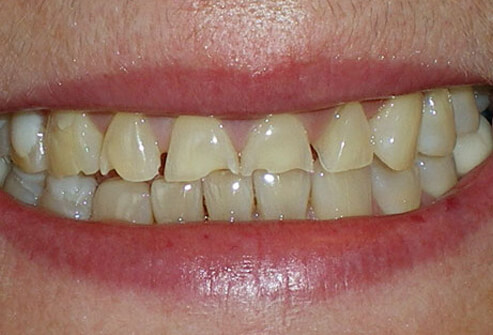
    • Worn tooth enamel
    • Swelling of the salivary glands
    • Sore throat
    • Heartburn
    • Constipation
    • Irregular menstrual periods
    • Dehydration
    • Electrolyte imbalances in the blood (that can lead to heart problems)

    Diagnosing Bulimia

    The fact that many people try to hide binging and purging behavior can make diagnosing bulimia challenging. To make the diagnosis, the doctor will ask about the individual’s eating patterns and history. Early diagnosis and treatment offers the best chances for a successful outcome.

    Eating Disorders: Talk and Support

    If you suspect a loved one may have an eating disorder, talk to them respectfully about your worries. Don't make them feel guilty or blame them. Encourage the person to seek help and let them know you support.

    Bulimia Treatment

    As with other eating disorders, the most successful treatment for bulimia involves a combination of approaches including psychotherapy, nutrition counseling, and antidepressant medications if necessary. Antidepressant medications have been shown to be successful at helping to break the binge-purge cycle and prevent relapse.

    0 comment
    0
    Facebook Twitter Google + Pinterest
    explainingmedicine

    previous post
    ADHD in Adults: A Visual Guide to ADHD in Adults
    next post
    Prescription Drug Abuse: Statistics, Facts, and Symptoms

    Related Articles

    Senior Health: 14 Ways to Avoid Caregiver Burnout

    October 14, 2016

    Sexual Health: Surprising Health Benefits of Sex

    October 14, 2016

    Chocolate: The History and Our Infatuation With Chocolate

    October 14, 2016

    Healthy Living: 10 Health Myths Debunked

    October 14, 2016

    Atrial Fibrillation: Tips for Living with Atrial Fibrillation

    October 14, 2016

    Heart Healthy Foods: 10 Food Swaps for Heart-Wise Dining

    October 14, 2016

    Depression: Physical Symptoms of Depression

    October 14, 2016

    Acne: Causes, Solutions and Treatments for Adults

    October 14, 2016

    Fetal Development: Take a Peek Inside the Womb Month by Month

    October 14, 2016

    Urinary Tract Infection (UTI): Common Symptoms You Should Know

    October 15, 2016

    Recent Posts

    • Flu shot recommendation for kids dropped just as the illness rages

      January 12, 2026
    • The CDC just sidelined these childhood vaccines. Here’s what they prevent

      January 9, 2026
    • Your next primary care doctor could be online only, accessed through an AI tool

      January 9, 2026
    • In Lodge Grass, Montana, a Crow community works to rebuild from meth’s destruction

      January 8, 2026
    • RFK Jr.’s new dietary guidelines go all in on meat and dairy

      January 7, 2026

    Keep in touch

    Facebook Twitter Google + RSS

    Recent Posts

    • Flu shot recommendation for kids dropped just as the illness rages

      January 12, 2026
    • The CDC just sidelined these childhood vaccines. Here’s what they prevent

      January 9, 2026
    • Your next primary care doctor could be online only, accessed through an AI tool

      January 9, 2026
    • In Lodge Grass, Montana, a Crow community works to rebuild from meth’s destruction

      January 8, 2026
    • RFK Jr.’s new dietary guidelines go all in on meat and dairy

      January 7, 2026
    • Terms of Service
    • Privacy Policy

    @2026 - Explaining Medicine. All Right Reserved.


    Back To Top
    Explaining Medicine
    Proudly powered by WordPress Theme: soledad child.