Explaining Medicine
  • News
  • Health & Lifestyle
    • Diet & Weight Management
    • Exercise & Fitness
    • Nutrition, Food & Recipes
    • Prevention & Wellness
  • Conditions
    • Custom1
      • Conditions A-Z
      • Procedures A-Z
      • Allergies
      • Alzheimer’s
      • Arthritis
      • Asthma
      • Blood Pressure
      • Cholesterol
      • Cancer
    • Custom2
      • Chronic Pain
      • Cold Flu
      • Depression
      • Diabetes
      • Digestion
      • Eyesight
      • Health Living
      • Healthy Kids
      • Hearing Ear
    • Custom3
      • Heart
      • HIV/AIDS
      • Infectious Disease
      • Lung Conditions
      • Menopause
      • Men’s Health
      • Mental Health
      • Migraine
      • Neurology
    • Custom4
      • Oral Health
      • Pregnancy
      • Senior Health
      • Sexual Health
      • Skin Problems
      • Sleep
      • Thyroid
      • Travel Health
      • Women’s Health
  • Medications
    • Medications
    • Supplements and Vitamins
  • Medical Dictionary
  • Health Alerts
Flu shot recommendation for kids dropped just as...
The CDC just sidelined these childhood vaccines. Here’s...
Your next primary care doctor could be online...
In Lodge Grass, Montana, a Crow community works...
RFK Jr.’s new dietary guidelines go all in...
More seniors are becoming homeless. Shelters are trying...
Health officials slash the number of vaccines recommended...
Wegovy obesity pill now available at pharmacies
In the U.S., hunger is often hidden. But...
One doctor’s experience shows the battle for the...
Top Posts

Explaining Medicine

  • News
  • Health & Lifestyle
    • Diet & Weight Management
    • Exercise & Fitness
    • Nutrition, Food & Recipes
    • Prevention & Wellness
  • Conditions
    • Custom1
      • Conditions A-Z
      • Procedures A-Z
      • Allergies
      • Alzheimer’s
      • Arthritis
      • Asthma
      • Blood Pressure
      • Cholesterol
      • Cancer
    • Custom2
      • Chronic Pain
      • Cold Flu
      • Depression
      • Diabetes
      • Digestion
      • Eyesight
      • Health Living
      • Healthy Kids
      • Hearing Ear
    • Custom3
      • Heart
      • HIV/AIDS
      • Infectious Disease
      • Lung Conditions
      • Menopause
      • Men’s Health
      • Mental Health
      • Migraine
      • Neurology
    • Custom4
      • Oral Health
      • Pregnancy
      • Senior Health
      • Sexual Health
      • Skin Problems
      • Sleep
      • Thyroid
      • Travel Health
      • Women’s Health
  • Medications
    • Medications
    • Supplements and Vitamins
  • Medical Dictionary
  • Health Alerts
  • Slideshows

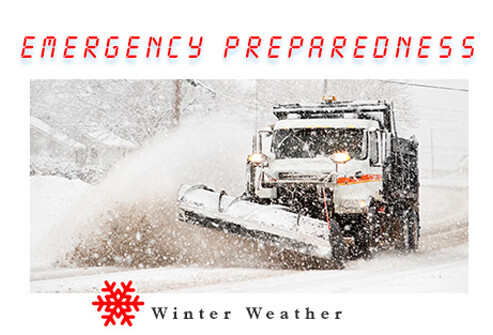
    Emergency Preparedness: Winter Weather

    by explainingmedicine October 14, 2016

    Emergency Scenario: Winter Weather

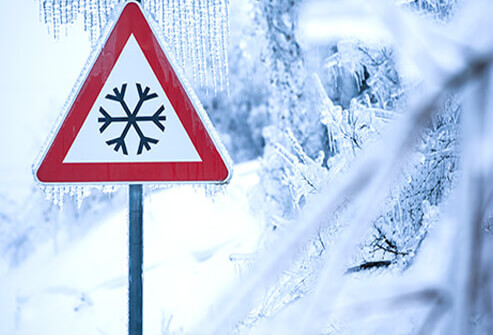
    Emergency situations can happen almost anywhere at any time. The best way to ensure the safety of your loved ones, and yourself, is to always be prepared. Winter weather can be unpredictable and even deadly. Use these tips to stay safe this winter.
    Winter Weather Terms

    Know the terms used to describe changing winter weather conditions and what actions to take. These terms can be used to determine the timeline and severity of an approaching storm.

    Freezing rain: Rain that freezes when it hits the ground, creating a coating of ice on roads, walkways, trees, and power lines.

    Sleet: Rain that turns to ice pellets before reaching the ground. Sleet also causes moisture on roads to freeze and become slippery.

    Black ice: Any type of ice that forms on roadways, even when standing water on roads turns to ice as the temperature falls below freezing.

    Windchill & Temperature

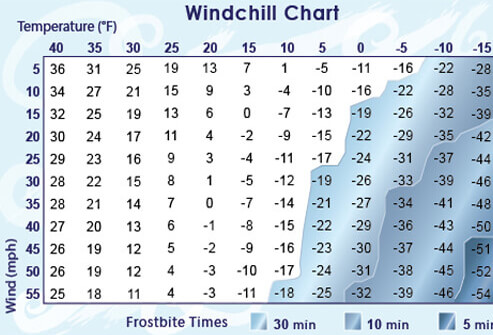
    Windchill is the temperature it “feels like” when you are outside taking the wind strength into account. The National Weather Service provides a Windchill Chart to show the difference between air temperature and the perceived temperature and the amount of time until frostbite occurs.

    Winter Weather Advisory vs. Storm Watch

    Winter weather advisory: Winter weather conditions are expected to cause significant inconveniences and may be hazardous. When caution is used, these situations should not be life threatening.

    Winter storm watch: A winter storm is possible in your area. Tune in to NOAA Weather Radio, commercial radio, or television for more information. The NWS issues a winter storm watch when severe winter conditions, such as heavy snow and/or ice, may affect your area but the location and timing are still uncertain. A winter storm watch is issued 12 to 36 hours in advance of a potential severe storm. Tune in to NOAA Weather Radio, local radio, TV, or other news sources for more information. Monitor alerts, check your emergency supplies, and gather any items you may need if you lose power.

    Winterize Your Home

    Winterizing your home helps minimize heat loss and ensures you don’t spend more than is necessary to stay safe and warm. Make sure walls and the attic are insulated. Use caulking and weather stripping around windows and doors. Storm windows can help keep heat inside, or you can cover windows with plastic. Make sure your roof and rain gutters are in good repair so you don’t have water intrusion. Inspect the outside of your home and cut away tree branches that could cause damage in the event of strong winds or a storm. It’s a good idea to have your heater and chimneys cleaned, inspected, and serviced annually. Place newspapers, plastic, or insulation around pipes to help prevent water inside the pipes from freezing. Allow water from the faucets to drip a little to help ensure the pipes don’t freeze. Know where your water shut off valve is and know how to turn it off in the event that a pipe bursts.

    Winter Weather Preparedness Home Kit

    It’s a good idea to put together an emergency kit before the winter comes. Items to keep on hand include:

    • Warm winter clothes and blankets to stay warm in the event the power goes out or the heater fails.
    • Bags of sand to improve traction if your car is stuck.
    • Shovels and snow removal equipment to keep paths around your home clear.
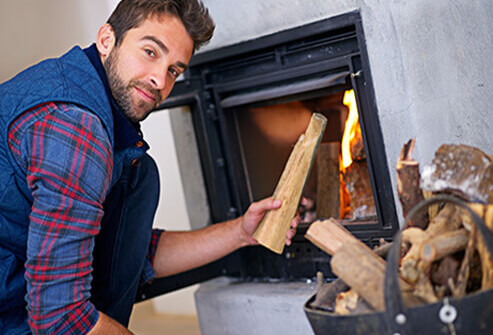
    • Enough fuel to stay safe and warm in the event of a power outage, heater breakdown, or if you need to stay home for an extended period of time during a bad storm or other emergency. Make sure you have sufficient dry word on hand for your wood-burning stove or fireplace.
    • Rock salt or other products to melt ice on walking paths and driveways.

    Have a Plan

    Prepare a Family Communications Plan before you need to use one. In the event of an emergency or disaster, your family may not be together. For times like these, it’s good to know how to keep in touch, how you’ll reunite, and what you’ll do when disaster strikes.

    The National Oceanic and Atmospheric Administration provides weather warnings and alerts via NOAA Weather Radio. The information comes from the National Weather Service (NWS) and informs the public about all hazards. You can sign up with local authorities to receive notices from local emergency services. FEMA and the American Red Cross have apps that provide information about administering first aid, the location of shelters, and other support services in the event of an emergency.

    Stay Close to Home

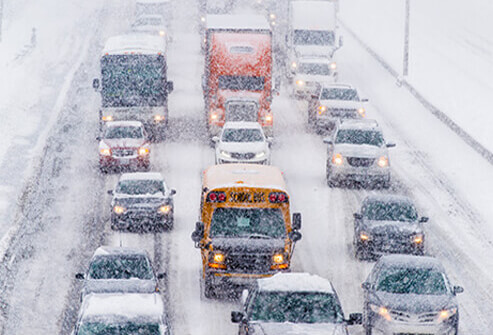
    When wild winter weather hits, minimize travel. It’s a good idea to keep an emergency preparedness kit and disaster supplies in your car. Keep pets inside during inclement weather. Provide ranch animals and livestock with shelter and make sure they have access to drinking water that isn’t frozen.

    Especially in the winter, keep enough food, water, and supplies on hand for every member of your household (including pets) in the event you can’t leave the house for a few days.

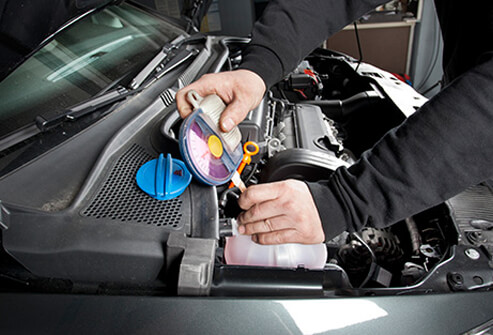
    Winterize Your Vehicle

    • Antifreeze levels: Ensure they are sufficient to avoid freezing.
    • Battery and ignition system: These should be in top condition and battery terminals should be clean.
    • Fuel and air filters: Replace and keep water out of the system by using additives and maintaining a full tank of gas. A full tank will keep the fuel line from freezing.
    • Heater and defroster: Ensure they work properly.
    • Oil: Check for level and weight. Heavier oils congeal more at low temperatures and do not lubricate as well.
    • Install good winter tires: Make sure the tires have adequate tread. All-weather radials are usually adequate for most winter conditions. However, some jurisdictions require that to drive on their roads, vehicles must be equipped with chains or snow tires with studs.

    Winter Weather Preparedness Car Kit

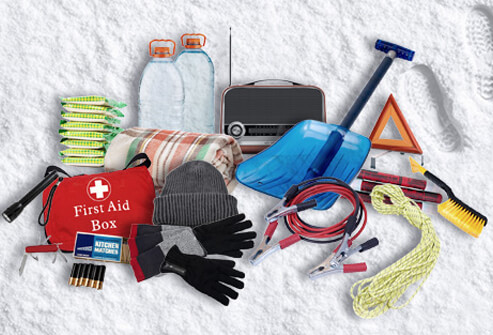
    Are you prepared if you need to drive? Minimize driving if possible, but when travel is necessary, it is recommended to keep the following in your vehicle:

    • A shovel
    • Windshield scraper and small broom
    • Flashlight
    • Battery-powered radio
    • Extra batteries
    • Water
    • Snack food
    • Matches
    • Extra hats, socks, and mittens
    • First aid kit with pocket knife
    • Necessary medications
    • Blanket(s)
    • Tow chain or rope
    • Road salt and sand
    • Booster cables
    • Emergency flares
    • Fluorescent distress flag

    On the Road: Stay or Go?

    STAY:

    • If stuck on the road to avoid exposure and/or rescue is likely.
    • If a safe location is neither nearby nor visible.
    • If you do not have appropriate clothing to go outside.
    • If you do not have the ability to call for help.

    On the Road: Stay or Go?

    GO:

    • If the distance to call for help is accessible.
    • If you have visibility and outside conditions are safe.
    • If you have appropriate clothing.
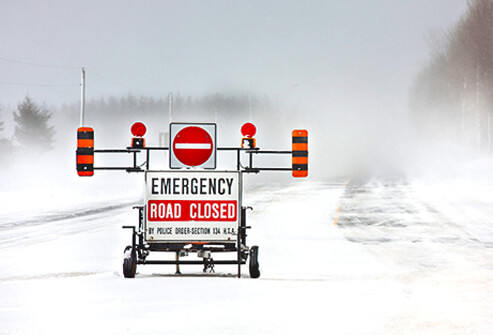
    • Once the storm has passed, if you are not already home, follow instructions from your local transportation department and emergency management agency to determine which route will be safest for you to get home. Drive with extra caution.

    If You Are Stranded in a Vehicle

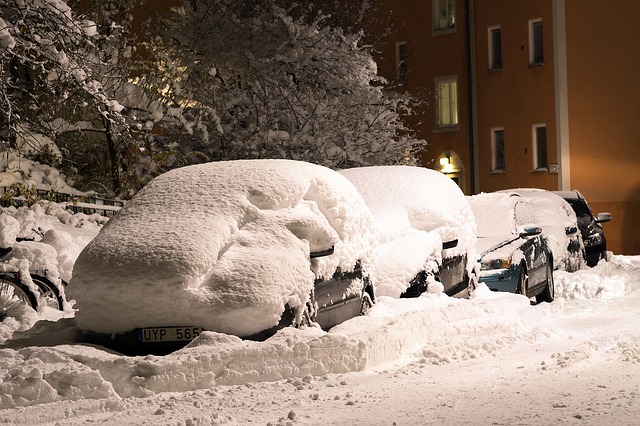
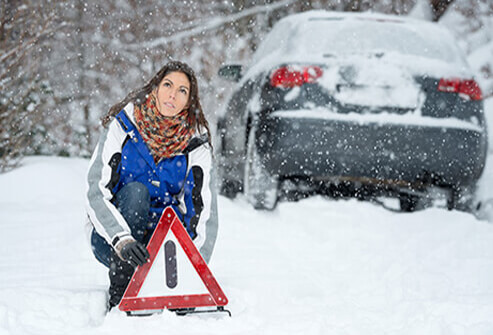
    Being stranded in your car in the snow is a frightening prospect, but knowing what to do can help you get through it safely.

    • If your car breaks down, pull off the road or highway if you can and turn on your hazard lights. If you have a handkerchief or bandana, tie it to the antenna or hang it out the window.
    • Stay in your car. Rescuers are most likely to find you there.
    • Turn on your car (if you can) and run the heater for about 10 minutes every hour to stay warm. Crack open a downwind window for ventilation. Clear any snow that may be blocking the tail pipe to help prevent carbon monoxide poisoning.
    • If you are with others, sleep in shifts. Someone should always be awake to watch for rescue crews. Eat and drink if you have food and water available. Avoid caffeine and alcohol, which will dehydrate you.
    • Be aware of your car battery reserves. Turn on the lights, radio, and heat when you need them, but be mindful not to waste energy.
    • Move enough to stay warm but don’t overtire yourself. If it is extremely cold, huddle if you’re with others. Use floor mats, maps, and any other materials you have available for warmth.
    • At night, leave a light on inside so rescue workers are more likely to see you.
    • If you’re car has broken down in a remote area, use rocks or tree branches to spell a large SOS or HELP on the ground. Make your message large enough that it can be seen from the air.
    • If you have to leave the car to go find help on foot, only do so after the blizzard has passed.

    Signs of Frostbite

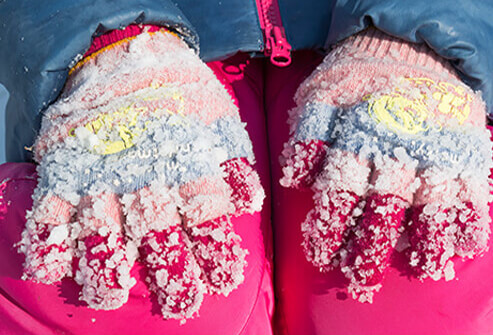
    Frostbite is a serious condition that occurs when the skin and underlying tissue freezes. Signs and symptoms of frostbite include diminished feeling and change in color of the extremities including fingers, toes, tip of the nose, face, and earlobes. Frostbitten areas tend to look pale or white.

    Action plan: Frostbite requires immediate medical attention. Cover the affected area, but do not rub to warm it up.

    Signs of Hypothermia

    Hypothermia is low body temperature. Signs of hypothermia include memory loss, severe shivering, slurred speech, exhaustion, sleepiness, disorientation, and incoherence.

    Action plan: Hypothermia is a medical emergency. If you are with someone you suspect has hypothermia, take his or her temperature if you have access to a thermometer. Body temperature at or below 95° indicates hypothermia. Seek emergency medical treatment. While you are waiting for emergency services, move the person to a warm environment. Remove any wet clothing from the victim. Try to get the victim’s core body temperature up by placing dry clothing and blankets on the patient. If the victim is conscious, encourage intake of warm, non-alcoholic beverages.

    The US Centers for Disease Control and Prevention (CDC) recommends seeking medical care in the event of frostbite. Since frostbite and hypothermia are the results of exposure to cold, always check frostbite victims for signs of hypothermia. If hypothermia is present, the patient’s condition is much more serious and it’s time to seek emergency medical treatment.

    Storm Shelters

    If you are at home when disaster strikes and the power goes out or you do not have what you need to stay safe and warm overnight, consider going to a public shelter. Make sure you can get there safely. Text SHELTER + your ZIP code to 4-FEMA (43362) to find a shelter near you. For example, if your ZIP code is 20472, you would text SHELTER20472 to locate a shelter in your area.

    Dress for the weather if you are headed to a shelter. Wear layers, boots, a hat, and warm gloves. Bring any items that you’ll need overnight including medications and toiletries.

    Learn From Every Storm

    Replenish your emergency supplies after a storm so you’ll be ready for the next one. Ask yourself and your family how well the emergency plan worked. What worked and what didn’t? In what areas can you improve? Use your experience and that of neighbors and colleagues to refine your supplies and emergency plan.

    0 comment
    0
    Facebook Twitter Google + Pinterest
    explainingmedicine

    previous post
    Dental Health: The Ugly Truth About Your Toothbrush
    next post
    Medical Marijuana: Types and Uses For Treatment

    Related Articles

    Cosmetic Surgery: Before and After Pictures

    October 14, 2016

    Ear Infections: Treatments for Children & Adults

    October 14, 2016

    Boils: Should You Pop A Boil?

    October 14, 2016

    Weight Control and Smoking Cessation: How to Avoid Weight Gain While Quitting

    October 14, 2016

    Frighteningly Fattening Fall Foods: Keep Your Diet in Check This Fall

    October 14, 2016

    Viral Infections: Types, Treatment, and Prevention

    October 14, 2016

    Back Pain: Myths and Facts About Back Pain

    October 14, 2016

    Rheumatoid Arthritis: Famous Faces of RA

    October 14, 2016

    Autism: Signs, Causes, and Treatment

    October 14, 2016

    Dog Health: Dangerous Foods That Dogs Should Never Eat

    October 14, 2016

    Recent Posts

    • Flu shot recommendation for kids dropped just as the illness rages

      January 12, 2026
    • The CDC just sidelined these childhood vaccines. Here’s what they prevent

      January 9, 2026
    • Your next primary care doctor could be online only, accessed through an AI tool

      January 9, 2026
    • In Lodge Grass, Montana, a Crow community works to rebuild from meth’s destruction

      January 8, 2026
    • RFK Jr.’s new dietary guidelines go all in on meat and dairy

      January 7, 2026

    Keep in touch

    Facebook Twitter Google + RSS

    Recent Posts

    • Flu shot recommendation for kids dropped just as the illness rages

      January 12, 2026
    • The CDC just sidelined these childhood vaccines. Here’s what they prevent

      January 9, 2026
    • Your next primary care doctor could be online only, accessed through an AI tool

      January 9, 2026
    • In Lodge Grass, Montana, a Crow community works to rebuild from meth’s destruction

      January 8, 2026
    • RFK Jr.’s new dietary guidelines go all in on meat and dairy

      January 7, 2026
    • Terms of Service
    • Privacy Policy

    @2026 - Explaining Medicine. All Right Reserved.


    Back To Top
    Explaining Medicine
    Proudly powered by WordPress Theme: soledad child.