Explaining Medicine
  • News
  • Health & Lifestyle
    • Diet & Weight Management
    • Exercise & Fitness
    • Nutrition, Food & Recipes
    • Prevention & Wellness
  • Conditions
    • Custom1
      • Conditions A-Z
      • Procedures A-Z
      • Allergies
      • Alzheimer’s
      • Arthritis
      • Asthma
      • Blood Pressure
      • Cholesterol
      • Cancer
    • Custom2
      • Chronic Pain
      • Cold Flu
      • Depression
      • Diabetes
      • Digestion
      • Eyesight
      • Health Living
      • Healthy Kids
      • Hearing Ear
    • Custom3
      • Heart
      • HIV/AIDS
      • Infectious Disease
      • Lung Conditions
      • Menopause
      • Men’s Health
      • Mental Health
      • Migraine
      • Neurology
    • Custom4
      • Oral Health
      • Pregnancy
      • Senior Health
      • Sexual Health
      • Skin Problems
      • Sleep
      • Thyroid
      • Travel Health
      • Women’s Health
  • Medications
    • Medications
    • Supplements and Vitamins
  • Medical Dictionary
  • Health Alerts
Flu shot recommendation for kids dropped just as...
The CDC just sidelined these childhood vaccines. Here’s...
Your next primary care doctor could be online...
In Lodge Grass, Montana, a Crow community works...
RFK Jr.’s new dietary guidelines go all in...
More seniors are becoming homeless. Shelters are trying...
Health officials slash the number of vaccines recommended...
Wegovy obesity pill now available at pharmacies
In the U.S., hunger is often hidden. But...
One doctor’s experience shows the battle for the...
Top Posts

Explaining Medicine

  • News
  • Health & Lifestyle
    • Diet & Weight Management
    • Exercise & Fitness
    • Nutrition, Food & Recipes
    • Prevention & Wellness
  • Conditions
    • Custom1
      • Conditions A-Z
      • Procedures A-Z
      • Allergies
      • Alzheimer’s
      • Arthritis
      • Asthma
      • Blood Pressure
      • Cholesterol
      • Cancer
    • Custom2
      • Chronic Pain
      • Cold Flu
      • Depression
      • Diabetes
      • Digestion
      • Eyesight
      • Health Living
      • Healthy Kids
      • Hearing Ear
    • Custom3
      • Heart
      • HIV/AIDS
      • Infectious Disease
      • Lung Conditions
      • Menopause
      • Men’s Health
      • Mental Health
      • Migraine
      • Neurology
    • Custom4
      • Oral Health
      • Pregnancy
      • Senior Health
      • Sexual Health
      • Skin Problems
      • Sleep
      • Thyroid
      • Travel Health
      • Women’s Health
  • Medications
    • Medications
    • Supplements and Vitamins
  • Medical Dictionary
  • Health Alerts
  • Slideshows

    Generalized Anxiety Disorder (GAD): Symptoms, Diagnosis & Treatment

    by explainingmedicine October 14, 2016

    What’s Normal?

    It's natural to worry during stressful times. But some people feel tense and anxious day after day, even with little to worry about. When this lasts for 6 months or longer, it may be generalized anxiety disorder. Many people don't know they have it. So they may miss out on treatments that lead to a better, happier life.


    What It Feels Like

    The main symptom is a constant and exaggerated sense of tension and anxiety. You may not be able to pinpoint a reason why you feel tense. Or you may worry too much about ordinary things, such as bills, relationships, or your health. It can upset your sleep and cloud your thinking. You may also feel irritable due to poor sleep or the anxiety itself.

    Physical Symptoms

    Body problems usually come along with the worry. They can include:

    • Muscle tension or pain
    • Headaches
    • Nausea or diarrhea
    • Trembling or twitching

    When It Won’t Stop

    Your troubles will naturally concern you. What sets generalized anxiety disorder apart is the feeling that you can't stop worrying. You may find it very hard to relax, even when you do something you enjoy. Severe cases can hamper work, relationships, and daily activities.

    Who Gets It?

    People of any age can develop generalized anxiety disorder, even children. It tends to appear gradually, with the first symptoms most likely to happen between childhood and middle age. Twice as many women as men say they have it.

    What Are the Causes?

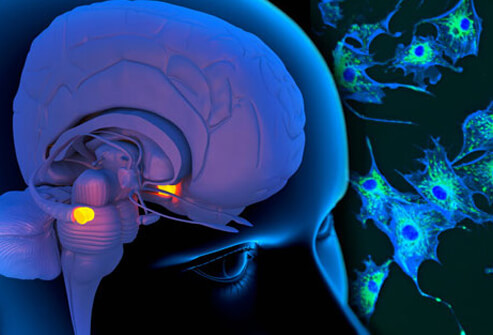
    The genes passed down through a family may put some people at a higher risk for anxiety, but that's not the whole picture. Your background and experiences also matter. Brain chemicals called neurotransmitters, as well as a pair of structures inside the brain called the amygdalae, seem to be involved.

    How It’s Diagnosed

    There's no lab test, so the diagnosis is based on your description of your symptoms. Your doctor may ask, What do you worry about? How often? Does your anxiety interfere with any activities? It may be generalized anxiety disorder if you have felt anxious or worried too much for at least 6 months.

    How Psychotherapy Helps

    One kind of talk therapy is very effective in treating anxiety. It's called cognitive behavioral therapy. A counselor helps you identify your negative thoughts and actions. You may do homework, such as writing down the thoughts that lead to excess worry. You will also learn how to calm yourself.

    Anti-Anxiety Medicine

    Medicines may be part of your treatment plan. Some newer antidepressant drugs work well to lower anxiety. It may take about 4 weeks to feel better. Your doctor might prescribe a benzodiazepine during this time or for a short while. Some of these drugs carry a risk of dependence. Sometimes, older types of antidepressants can treat generalized anxiety disorder if your symptoms include depression or panic. Talk with your doctor about pros and cons.

    Taking Care of Yourself

    A few simple changes can help. Avoid caffeine, illegal drugs, and even some cold medicines, which can boost anxiety symptoms. Try to get enough rest and eat healthy foods. Use relaxation techniques, such as meditation. Also, exercise! Research shows that moderate physical activity (like a brisk walk) can be calming.

    Herbal Remedies: Caution

    If you are thinking about trying a supplement, talk to your doctor first to find out if it’s safe. Kava, for instance, has been reported to cause liver damage. St. John’s wort can affect other medicines, including antidepressants and birth control pills.

    When It’s More Than Anxiety

    People who have generalized anxiety disorder may also develop depression, alcoholism, or drug addiction. It's also common for people with GAD to have another anxiety disorder. These can include panic disorder, posttraumatic stress disorder, obsessive-compulsive disorder, and social phobia.

    Panic Disorder

    People with panic disorder have sudden attacks of terror. Symptoms can include a pounding heart, sweating, dizziness, nausea, or chest pain. You may think you're having a heart attack, dying, or losing your mind. It's one of the most treatable of all anxiety disorders.

    Posttraumatic Stress Disorder

    Some people develop posttraumatic stress disorder (PTSD) after living through a terrifying event. The symptoms include vivid flashbacks and a loss of interest in activities that were once enjoyable. People may also have trouble being affectionate. They may feel irritable or even become violent. Treatments include medicine and counseling.

    Obsessive-Compulsive Disorder

    People with obsessive-compulsive disorder (OCD) have troubling thoughts they can't control. They may feel that they need to repeat rituals, such as washing their hands or checking that the door is locked. They may get dressed in a certain order or count objects for no good reason. It’s often treated with medication and psychotherapy.

    Social Anxiety Disorder

    People with social phobia feel panicky and self-conscious in ordinary social situations. Symptoms include a sense of dread before social events and sweating, blushing, nausea, or trouble talking during the events. In severe cases, they may avoid school or work. It can be treated with psychotherapy and medicine.

    Other Phobias

    A phobia is an intense fear of something that is not likely to cause you any harm. Common ones include heights, closed-in spaces like elevators, dogs, flying, and water. Many people don't seek help because it’s easy to avoid whatever they fear. But phobias can be treated.

    Where to Get Help

    Start by talking with your family doctor. If an anxiety disorder seems likely, he will probably refer you to a mental health specialist who is trained in psychotherapy. It's important to choose someone you're comfortable talking to.

    0 comment
    0
    Facebook Twitter Google + Pinterest
    explainingmedicine

    previous post
    ADHD in Adults: A Visual Guide to ADHD in Adults
    next post
    Prescription Drug Abuse: Statistics, Facts, and Symptoms

    Related Articles

    Exercise & Fitness: 7 Most Effective Exercises

    October 14, 2016

    Spider & Varicose Veins: See The Before-and-After Photos

    October 14, 2016

    Weight Loss: 24 Ways to Lose Weight Without Dieting

    October 14, 2016

    Ringworm: Does Ringworm Mean I Have Worms?

    October 14, 2016

    Flu Fighters: 10 Foods to Eat When You Have the Flu

    October 14, 2016

    Dandruff (Seborrhea): Causes, Treatments and Prevention

    October 14, 2016

    Foot Health: The Worst Shoes for Your Feet

    October 15, 2016

    Allergy: Common Food Allergy Triggers and Where They Hide

    October 14, 2016

    Dog Health: Dangerous Foods That Dogs Should Never Eat

    October 14, 2016

    Children’s Health: Top 10 Brain Foods for Children

    October 14, 2016

    Recent Posts

    • Flu shot recommendation for kids dropped just as the illness rages

      January 12, 2026
    • The CDC just sidelined these childhood vaccines. Here’s what they prevent

      January 9, 2026
    • Your next primary care doctor could be online only, accessed through an AI tool

      January 9, 2026
    • In Lodge Grass, Montana, a Crow community works to rebuild from meth’s destruction

      January 8, 2026
    • RFK Jr.’s new dietary guidelines go all in on meat and dairy

      January 7, 2026

    Keep in touch

    Facebook Twitter Google + RSS

    Recent Posts

    • Flu shot recommendation for kids dropped just as the illness rages

      January 12, 2026
    • The CDC just sidelined these childhood vaccines. Here’s what they prevent

      January 9, 2026
    • Your next primary care doctor could be online only, accessed through an AI tool

      January 9, 2026
    • In Lodge Grass, Montana, a Crow community works to rebuild from meth’s destruction

      January 8, 2026
    • RFK Jr.’s new dietary guidelines go all in on meat and dairy

      January 7, 2026
    • Terms of Service
    • Privacy Policy

    @2026 - Explaining Medicine. All Right Reserved.


    Back To Top
    Explaining Medicine
    Proudly powered by WordPress Theme: soledad child.