Explaining Medicine
  • News
  • Health & Lifestyle
    • Diet & Weight Management
    • Exercise & Fitness
    • Nutrition, Food & Recipes
    • Prevention & Wellness
  • Conditions
    • Custom1
      • Conditions A-Z
      • Procedures A-Z
      • Allergies
      • Alzheimer’s
      • Arthritis
      • Asthma
      • Blood Pressure
      • Cholesterol
      • Cancer
    • Custom2
      • Chronic Pain
      • Cold Flu
      • Depression
      • Diabetes
      • Digestion
      • Eyesight
      • Health Living
      • Healthy Kids
      • Hearing Ear
    • Custom3
      • Heart
      • HIV/AIDS
      • Infectious Disease
      • Lung Conditions
      • Menopause
      • Men’s Health
      • Mental Health
      • Migraine
      • Neurology
    • Custom4
      • Oral Health
      • Pregnancy
      • Senior Health
      • Sexual Health
      • Skin Problems
      • Sleep
      • Thyroid
      • Travel Health
      • Women’s Health
  • Medications
    • Medications
    • Supplements and Vitamins
  • Medical Dictionary
  • Health Alerts
Flu shot recommendation for kids dropped just as...
The CDC just sidelined these childhood vaccines. Here’s...
Your next primary care doctor could be online...
In Lodge Grass, Montana, a Crow community works...
RFK Jr.’s new dietary guidelines go all in...
More seniors are becoming homeless. Shelters are trying...
Health officials slash the number of vaccines recommended...
Wegovy obesity pill now available at pharmacies
In the U.S., hunger is often hidden. But...
One doctor’s experience shows the battle for the...
Top Posts

Explaining Medicine

  • News
  • Health & Lifestyle
    • Diet & Weight Management
    • Exercise & Fitness
    • Nutrition, Food & Recipes
    • Prevention & Wellness
  • Conditions
    • Custom1
      • Conditions A-Z
      • Procedures A-Z
      • Allergies
      • Alzheimer’s
      • Arthritis
      • Asthma
      • Blood Pressure
      • Cholesterol
      • Cancer
    • Custom2
      • Chronic Pain
      • Cold Flu
      • Depression
      • Diabetes
      • Digestion
      • Eyesight
      • Health Living
      • Healthy Kids
      • Hearing Ear
    • Custom3
      • Heart
      • HIV/AIDS
      • Infectious Disease
      • Lung Conditions
      • Menopause
      • Men’s Health
      • Mental Health
      • Migraine
      • Neurology
    • Custom4
      • Oral Health
      • Pregnancy
      • Senior Health
      • Sexual Health
      • Skin Problems
      • Sleep
      • Thyroid
      • Travel Health
      • Women’s Health
  • Medications
    • Medications
    • Supplements and Vitamins
  • Medical Dictionary
  • Health Alerts
  • Slideshows

    Irritable Bowel Syndrome (IBS): Understanding the Disorder

    by explainingmedicine October 14, 2016

    What Is Irritable Bowel Syndrome (IBS)?

    Irritable bowel syndrome (IBS) is a chronic disorder in which the intestines do not work normally. Other names for IBS are spastic colon or functional bowel disease. The consequences of the malfunction of the intestines is abdominal pain that is associated with constipation, diarrhea, or constipation alternating with diarrhea. The disorder affects at least 10% of the population of North America.

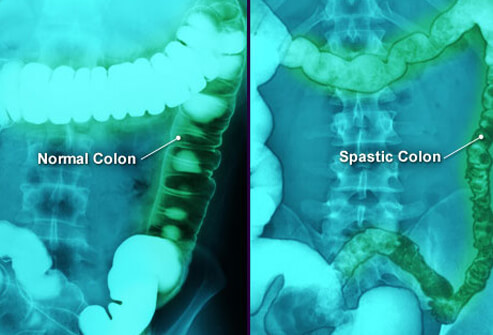
    IBS Symptoms

    The hallmark of IBS is the presence of abdominal pain that is associated with constipation, diarrhea or both. The pain and alterations in bowel habit may be mild and not interfere with normal activities or they may be severe and limit activities. Frequent diarrhea can lead to the need to constantly be near to a bathroom.

    IBS Causes

    The exact cause of IBS is not known. It is believed to be caused by abnormal activity of the muscles of the intestines and/or the nerves that control the muscles. This can lead to abnormal patterns of contraction of the intestinal muscles that result in pain, constipation, or diarrhea. Secretion of fluid into the intestine also might be increased. Abnormalities of the intestinal muscles cannot be seen even under the microscope. If the pattern of intestinal motility is studied, it may be abnormal.

    Who’s at Risk for IBS?

    IBS is more common in women than men, almost twice as common. Although the symptoms can begin at any age, they most commonly begin in people in their 20s. There seems to be an increased prevalence of IBS among relatives of individuals with IBS. Anxiety or stress do not cause IBS, but they make the symptoms of IBS worse.

    IBS Diagnosis

    There are no tests for diagnosing IBS. Occasionally the activity of intestinal muscles is studied and found to be abnormal. It usually is the typical symptoms of IBS - abdominal pain associated with constipation, diarrhea or both - that suggest the diagnosis. Since many other abdominal disorders also cause these problems, it often is necessary to do tests to make certain that other gastrointestinal/abdominal diseases are not present.

    How IBS Impacts Daily Life

    When the symptoms of IBS are mild, they do not interfere with activities of daily life. When they are severe they may limit activities because of the pain or the need to go to the bathroom. Patients with IBS and diarrhea need to be constantly aware of the location of the nearest bathroom. Patients even may avoid going out socially to avoid the embarrassment of frequently going to the bathroom.

    Stress and IBS

    Stress worsens the symptoms of IBS just as it worsens the symptoms of most other disorders. But stress causes few if any disorders. Nevertheless, reducing stress is one reasonable approach to improving the symptoms of IBS. Sometimes reducing stress is enough to make patients comfortable, but usually more is required especially when symptoms are severe. Troublesome symptoms of IBS can cause stress which, in turn makes the symptoms more troublesome - a vicious cycle.

    IBS Triggers

    Practically speaking, it is important to identify any factors that aggravate the symptoms of IBS, whether it be certain activities, certain foods or some medications. No specific foods have been linked to IBS so there is not "IBS diet." Nevertheless, it may be worthwhile to keep a food diary that may help to identify foods that are associated with worsening of symptoms. The foods then may be avoided.

    IBS Treatment: Diet Changes

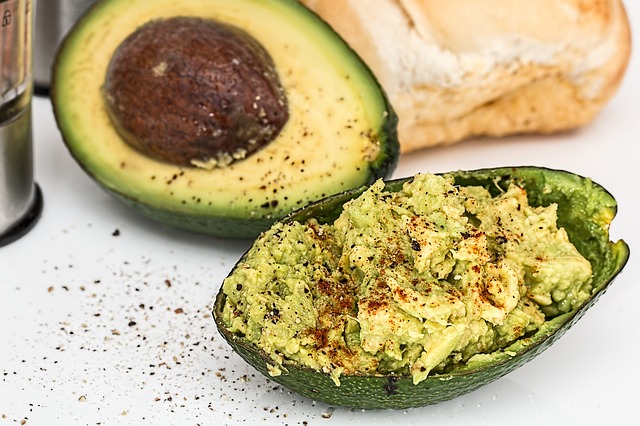
    Some foods may aggravate the symptoms of IBS because they alter the function of the intestinal muscles. For example, caffeine may stimulate muscle contraction. Fatty foods on the other hand can reduce muscle activity. Either action might aggravate symptoms of IBS depending on what the abnormality is that underlies the IBS. Sometimes, certain food intolerances such as to lactose or fructose may aggravate the symptoms of IBS. Though they are not the cause of IBS their elimination from the diet may improve symptoms.

    IBS Treatment: Probiotics

    Probiotics are frequently used to treat symptoms of IBS. There are few studies showing benefit of probiotics; however, there are theoretical reasons why altering the bacteria in the intestine might modulate symptoms. Probiotics are generally safe so there is little harm in trying them. It is important to remember that with all treatments of IBS, including probiotics, there is a 20% to 40% placebo response rate, that is, there is a 20% to 40% chance that a patient who feels better taking probiotics is not actually better.

    IBS Treatment: Drugs for Diarrhea

    Medications are an additional or alternative way of treating the symptoms of IBS. The medication is chosen based on the symptoms that are most troublesome. For example, anti-diarrheals such as loperamide (Imodium) or diphenoxylate and atropine (Lomotil) can reduce diarrhea by inhibiting the muscles of the intestine. Stool softeners and fiber may soften stools of individuals who are constipated.

    IBS Treatment: Drugs for Constipation

    An effective way to reduce constipation is to increase the fluid in the intestine to soften the stools. Options include fiber, stool softeners, milk of magnesia and Miralax. Prescription medications such as linaclotide (Linzess) and lubiprostone (Amitiza) also may increase fluid in the intestine and improve constipation. Stimulant laxatives such as docusate (Correctol) and senna (Senokot) stimulate the muscles of the intestine and thereby promote bowel movements.

    IBS Treatment: Antidepressants and Antispasmodics

    Antidepressants may be used to treat the symptoms of IBS. In this case, the antidepressants are not being used as antidepressants. Used in low doses, antidepressants can inhibit the nerve fibers that give rise to pain. Medications to prevent spasm of the intestinal muscles such as the anti-cholinergic, dicyclomine (Bentyl) are useful, but there are side effects to consider such as worsening of constipation.

    IBS Treatment: Peppermint Oil

    The intestine is made up of a type of muscle called smooth muscle. One of the most potent relaxers of smooth muscle is peppermint oil. For patients with IBS, peppermint oil is worth trying to relieve symptoms. It must be natural peppermint oil since synthetic peppermint oil will not work. Peppermint oil may be taken as a candy that is sucked or as an enteric-coated capsule. Before taking peppermint oil, however, you should check with your doctor.

    IBS Treatment: Psychotherapy

    Since stress makes IBS worse it is worthwhile to attempt stress-reduction by any means possible. One such management strategy is cognitive-behavioral therapy, a form of psychotherapy. Cognitive-behavioral therapy can reduce stress and relieve symptoms associated with IBS. It also stresses ways in which you can cope with symptoms on your own when they arise.

    IBS Treatment: Hypnosis

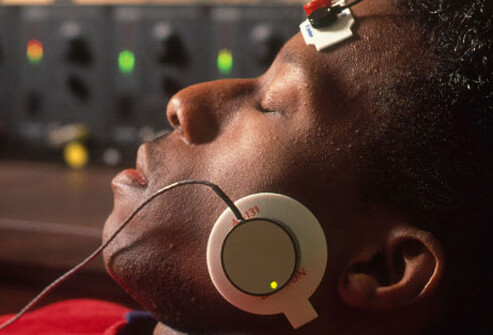
    Hypnosis also has been used to affect the subconscious state by suggesting that the symptoms of IBS go away. Some evidence supports the effectiveness of hypnosis in reducing the symptoms of IBS.

    IBS Treatment: Biofeedback

    Biofeedback is another means of managing the symptoms of IBS. Biofeedback teaches patients to moderate their physical state and enter a more relaxed state. This may relieve stress and improve the symptoms of IBS.

    IBS Treatment: Relaxation Therapy

    Meditation is a common technique for managing stress along with guided imagery, deep breathing, and other techniques. All of these techniques can help with reducing the symptoms of IBS, and, most importantly, they can be used without assistance almost anywhere.

    IBS and Exercise

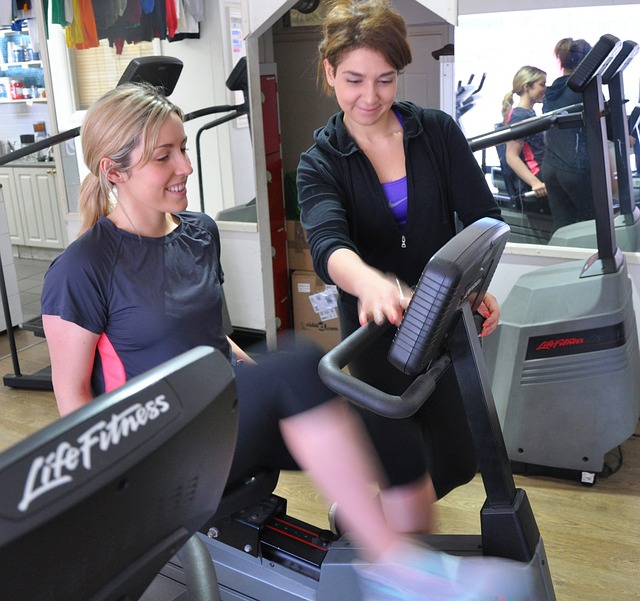
    Exercise is a stress-reducer, and it can be used to moderate the symptoms of IBS. How it works is unclear, but it does not necessarily take vigorous exercise. Before entering any exercise program, however, you should check with your doctor.

    IBS: Long-Term Prognosis

    IBS is a long-term or chronic condition. It is marked by periods of greater symptoms (exacerbations) and lesser symptoms (remissions). Sometimes it is possible to uncover emotional or physical triggers for the exacerbations. If so, it may be possible to eliminate these triggers. In general, over time, the symptoms of IBS do not get worse nor do they progress to more serious conditions such as inflammatory bowel disease (IBD) or cancer.

    0 comment
    0
    Facebook Twitter Google + Pinterest
    explainingmedicine

    previous post
    Weight Loss: Top 10 Habits That Can Help You Lose Weight
    next post
    Pinworms: Symptoms, Treatments, and Medication

    Related Articles

    Sciatica: A Common Cause of Back Pain

    October 14, 2016

    Cellulite: Causes, Myths and Treatments

    October 14, 2016

    Depression: Myths and Facts

    October 14, 2016

    Epilepsy: Symptoms, Stages and Treatment

    October 14, 2016

    Diverticulitis (Diverticulosis): Learn About This Digestive Disease

    October 14, 2016

    Weight Loss: 24 Ways to Lose Weight Without Dieting

    October 14, 2016

    Energy Foods: A Diet to Boost Your Mood & Energy Level

    October 14, 2016

    Parkinson’s Disease: Symptoms, Stages and Treatment

    October 14, 2016

    Diabetes: 11 Low-Sugar Drink Ideas

    October 14, 2016

    Cold Sores: When Are Cold Sores Contagious?

    October 14, 2016

    Recent Posts

    • Flu shot recommendation for kids dropped just as the illness rages

      January 12, 2026
    • The CDC just sidelined these childhood vaccines. Here’s what they prevent

      January 9, 2026
    • Your next primary care doctor could be online only, accessed through an AI tool

      January 9, 2026
    • In Lodge Grass, Montana, a Crow community works to rebuild from meth’s destruction

      January 8, 2026
    • RFK Jr.’s new dietary guidelines go all in on meat and dairy

      January 7, 2026

    Keep in touch

    Facebook Twitter Google + RSS

    Recent Posts

    • Flu shot recommendation for kids dropped just as the illness rages

      January 12, 2026
    • The CDC just sidelined these childhood vaccines. Here’s what they prevent

      January 9, 2026
    • Your next primary care doctor could be online only, accessed through an AI tool

      January 9, 2026
    • In Lodge Grass, Montana, a Crow community works to rebuild from meth’s destruction

      January 8, 2026
    • RFK Jr.’s new dietary guidelines go all in on meat and dairy

      January 7, 2026
    • Terms of Service
    • Privacy Policy

    @2026 - Explaining Medicine. All Right Reserved.


    Back To Top
    Explaining Medicine
    Proudly powered by WordPress Theme: soledad child.