Explaining Medicine
  • News
  • Health & Lifestyle
    • Diet & Weight Management
    • Exercise & Fitness
    • Nutrition, Food & Recipes
    • Prevention & Wellness
  • Conditions
    • Custom1
      • Conditions A-Z
      • Procedures A-Z
      • Allergies
      • Alzheimer’s
      • Arthritis
      • Asthma
      • Blood Pressure
      • Cholesterol
      • Cancer
    • Custom2
      • Chronic Pain
      • Cold Flu
      • Depression
      • Diabetes
      • Digestion
      • Eyesight
      • Health Living
      • Healthy Kids
      • Hearing Ear
    • Custom3
      • Heart
      • HIV/AIDS
      • Infectious Disease
      • Lung Conditions
      • Menopause
      • Men’s Health
      • Mental Health
      • Migraine
      • Neurology
    • Custom4
      • Oral Health
      • Pregnancy
      • Senior Health
      • Sexual Health
      • Skin Problems
      • Sleep
      • Thyroid
      • Travel Health
      • Women’s Health
  • Medications
    • Medications
    • Supplements and Vitamins
  • Medical Dictionary
  • Health Alerts
Flu shot recommendation for kids dropped just as...
The CDC just sidelined these childhood vaccines. Here’s...
Your next primary care doctor could be online...
In Lodge Grass, Montana, a Crow community works...
RFK Jr.’s new dietary guidelines go all in...
More seniors are becoming homeless. Shelters are trying...
Health officials slash the number of vaccines recommended...
Wegovy obesity pill now available at pharmacies
In the U.S., hunger is often hidden. But...
One doctor’s experience shows the battle for the...
Top Posts

Explaining Medicine

  • News
  • Health & Lifestyle
    • Diet & Weight Management
    • Exercise & Fitness
    • Nutrition, Food & Recipes
    • Prevention & Wellness
  • Conditions
    • Custom1
      • Conditions A-Z
      • Procedures A-Z
      • Allergies
      • Alzheimer’s
      • Arthritis
      • Asthma
      • Blood Pressure
      • Cholesterol
      • Cancer
    • Custom2
      • Chronic Pain
      • Cold Flu
      • Depression
      • Diabetes
      • Digestion
      • Eyesight
      • Health Living
      • Healthy Kids
      • Hearing Ear
    • Custom3
      • Heart
      • HIV/AIDS
      • Infectious Disease
      • Lung Conditions
      • Menopause
      • Men’s Health
      • Mental Health
      • Migraine
      • Neurology
    • Custom4
      • Oral Health
      • Pregnancy
      • Senior Health
      • Sexual Health
      • Skin Problems
      • Sleep
      • Thyroid
      • Travel Health
      • Women’s Health
  • Medications
    • Medications
    • Supplements and Vitamins
  • Medical Dictionary
  • Health Alerts
  • Slideshows

    Omega-3 Fatty Acids: Benefits of Fish Oil, Salmon, Walnuts, & More

    by explainingmedicine October 14, 2016

    Omega-3: The Good Fat

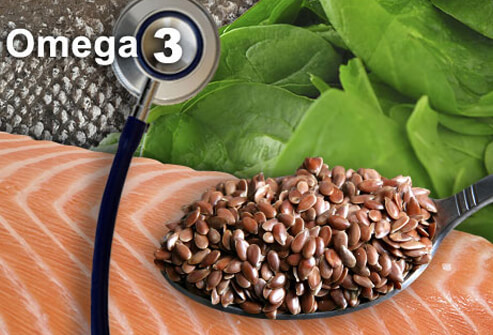
    While excessive fatty food intake can elevate cholesterol and triglyceride levels, not all fats are unhealthy. Omega-3 fatty acids may have significant benefits in lowering the risk of heart disease, the nation’s top killer. They may also protect against depression, dementia, cancer, and arthritis. Omega-3 fatty acids are found in higher amounts in salmon, walnuts, and spinach.
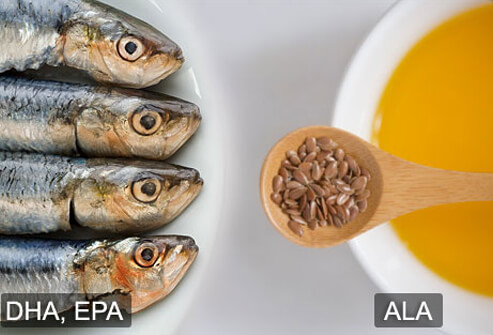
    The Omega-3 Alphabet

    There are many forms of omega-3 fatty acids. The types found in fish, called DHA and EPA, have been studied most extensively and appear to have the strongest health benefits. Another form of omega-3 fatty acid is known as ALA is found in vegetable oils, flaxseed, walnuts, and dark leafy vegetables such as spinach.

    How Omega-3 Fights Disease

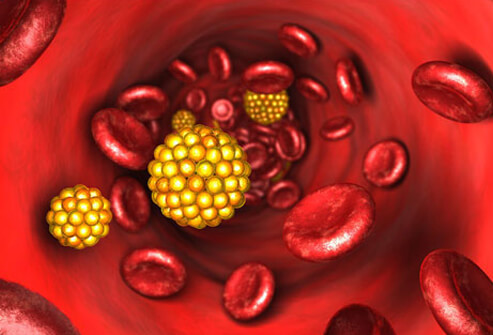
    It is felt that omega-3 fatty acids help fight disease by reducing inflammation in the blood vessels, joints, and elsewhere. High doses of omega-3 fatty acids also lower the risk for an abnormal heart rhythm and reduce unhealthy fats in the bloodstream known as triglycerides. Moreover, omega-3 fatty acids can slow plaque buildup inside the blood vessels. We must get omega-3 fatty acids from foods or supplements since our bodies cannot make them.

    Omega-3 and Heart Disease

    Prescription doses of omega-3s are used to protect the heart after heart attack. Studies have shown fewer heart attacks and fewer heart disease deaths among survivors who boosted their levels of omega-3s. The American Heart Association recommends 1 gram a day of EPA plus DHA for people with heart disease. Eating fish is best, but your doctor might recommend a fish oil capsule.

    Omega-3 and Arrhythmias

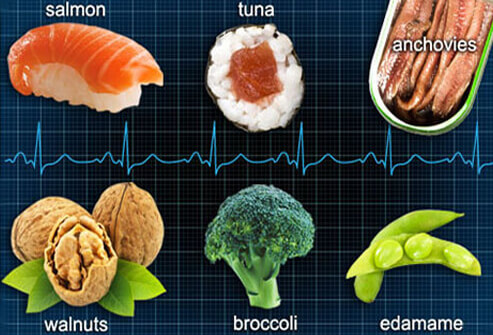
    Omega-3s seem to reduce the risk of life-threatening arrhythmias or abnormal heart rhythms. Common sources of omega-3s are fish, walnuts, broccoli, and edamame, green soybeans steamed and served in the pod.

    Omega-3 and Triglycerides

    Omega-3s can lower your triglycerides, a blood fat that’s linked to heart disease. Talk with your doctor before taking omega-3 supplements, because some types can make your "bad" cholesterol worse. You can also bring down triglyceride levels with exercise, by drinking less alcohol, and cutting back on sweets and refined carbohydrates.

    Talk with your doctor before taking omega-3 supplements.

    Omega-3 and High Blood Pressure

    Omega-3s can lower blood pressure, although the effect is small. One dietary strategy is to replace red meat with fish during some meals. But it's best to avoid salty fish, such as smoked salmon.

    For high blood pressure your doctor may suggest regular exercise, medications, and limiting salt.

    Omega-3 and Stroke

    The evidence is mixed on whether omega-3 supplements can help prevent strokes. Nevertheless, omega-3 fatty acids have been shown to prevent plaque buildup inside blood vessels. Studies suggest that at high doses, omega-3 supplements might raise the risk of the less common type of stroke that involves bleeding in the brain.

    Omega-3 and Rheumatoid Arthritis

    Studies suggest omega-3s can improve joint symptoms such as pain and stiffness from rheumatoid arthritis. Additionally, a diet high in omega-3s may also boost the effectiveness of anti-inflammatory drugs.

    Omega-3 and Depression

    Omega-3 fatty acids may help to calm mood disorders and improve the effectiveness of antidepressants. However, results of studies have been mixed so far. Countries with higher levels of omega-3s in the typical diet have lower levels of depression, although more studies are needed.

    Omega-3 and ADHD

    Studies suggest omega-3 supplements may improve the symptoms of attention deficit hyperactivity disorder (ADHD). The evidence isn't conclusive and a dietary supplement can't offer a cure-all for ADHD. Nevertheless, omega-3s may provide some added benefits to traditional treatment. We do know omega-3 fatty acids are important in brain development and function.

    Omega-3 and Dementia

    There is preliminary evidence to suggest that omega-3s may protect against dementia and improve mental function. In one study, older people with a diet high in omega-3 fatty acids had a lower risk of developing Alzheimer's disease. More research is necessary to confirm the association.

    Omega-3 and Cancer

    More research is needed to determine whether or not omega-3s could help reduce the risk of colon cancer, breast cancer, and advanced prostate cancer. The American Cancer Society recommends a diet that includes fish, but the organization does not endorse omega-3 supplements for cancer prevention.

    Omega-3 and Children

    Parents be wary of promises that omega-3s have "brain-boosting" powers for children. The Federal Trade Commission asked supplement companies to stop that claim unless they can prove it scientifically. The American Academy of Pediatrics does recommend that kids eat more fish, as long as it's not breaded and fried. Pediatricians also caution against types of fish that are high in mercury, such as shark, swordfish, king mackerel, and tilefish.

    Omega-3: Catch of the Day

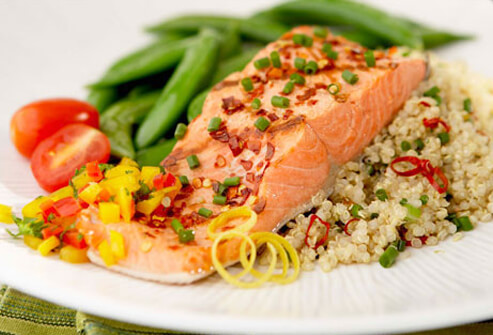
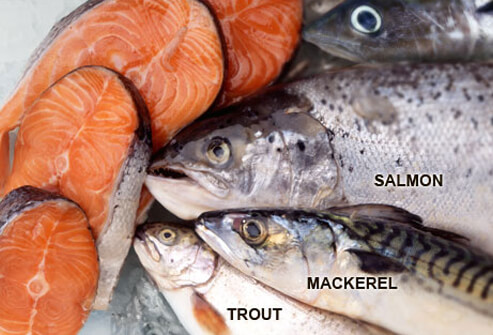
    The best source of omega-3 fatty acids is fish, though different fish have different levels. Top choices are salmon, mackerel, herring, lake trout, sardines, anchovies, and tuna. The American Heart Association recommends at least two servings a week of fish, which is 3.5 ounces of cooked fish or Âľ cup of flaked fish.

    Omega-3 and Tuna

    Tuna is a staple in many people's pantries and can be a good source of omega-3 fatty acids. Albacore tuna (often labeled "white") has more omega-3s than canned light tuna, but it also has a higher concentration of mercury. Different tuna species have different levels of omega-3 fatty acids.

    Dangers of Contaminated Fish

    For most people, mercury in fish is not a health concern. But it can be a concern during pregnancy and nursing, as well as in the growing child. The FDA has this advice for pregnant women, nursing mothers, and young children:

    • Limit albacore tuna to 6 ounces/week.
    • Limit fish lower in mercury to 12 ounces/week.
    • Avoid shark, swordfish, king mackerel, tilefish.
    • Remove skin and fat before cooking fish.

    Omega-3 Supplements

    If you don't care to eat fish, you can use omega-3 supplements. One gram per day is recommended for people with heart disease. Ask your doctor before starting, for high doses can interfere with some medicines or increase the risk of bleeding. Some people taking fish oil supplements notice a fishy taste and breath. Read the label, since the amounts of EPA, DHA, or ALA vary greatly.

    Omega-3 for Vegetarians

    If you don't eat fish or fish oil, you can get a dose of DHA from algae supplements. Algae that is commercially produced is generally considered safe, though blue-green algae in the wild can contain toxins. Vegetarians also can get the ALA version of omega-3 from foods such as canola oil, flaxseed, walnuts, broccoli, and spinach. Some foods are fortified with omega-3s.

    Avoiding the Omega-3 Hype

    It is now common for food products to boast that they have added omega-3s. But the amount of omega-3s they contain may be minimal, so check the label. They may contain the ALA form of omega-3s, which hasn't yet shown the same health benefits as EPA and DHA. For a regular dosing of omega-3s, taking fish oil supplements may be more reliable.

    Omega 6: The Other Healthy Fat

    Another healthy fat is known as omega-6. Omega-6s may protect against heart disease, especially when eaten in place of less healthy fats. The American Heart Association recommends getting up to 10% of your total daily calories from omega-6 fats. Omega-6 fats are found in vegetable oils and nuts. Most Americans already get enough omega-6s in their diets, thanks to cooking oils and salad dressings.

    0 comment
    0
    Facebook Twitter Google + Pinterest
    explainingmedicine

    previous post
    Healthy Eating: 12 Reasons to Love the Mediterranean Diet
    next post
    Parenting: Healthy Eating Tips for Kids

    Related Articles

    Allergy: 10 Signs Your Allergies Are Out of Control

    October 14, 2016

    Lowering Cholesterol: 15 Tips for Avoiding Heart Disease

    October 14, 2016

    Healthy Eating: Food Cravings That Wreck Your Diet

    October 15, 2016

    Hair and Beauty: Look Younger With Celebrity Hairstyles

    October 14, 2016

    Summer Skin Hazards: Stay Safe This Summer

    October 14, 2016

    Sleep: Jobs That Wreck Your Sleep

    October 14, 2016

    West Nile Virus: Causes, Symptoms, and Treatment

    October 14, 2016

    Healthy Eating: The Best Fat-Fighting Foods

    October 14, 2016

    Exercise & Fitness: 7 Most Effective Exercises

    October 14, 2016

    Acne: Causes, Solutions and Treatments for Adults

    October 14, 2016

    Recent Posts

    • Flu shot recommendation for kids dropped just as the illness rages

      January 12, 2026
    • The CDC just sidelined these childhood vaccines. Here’s what they prevent

      January 9, 2026
    • Your next primary care doctor could be online only, accessed through an AI tool

      January 9, 2026
    • In Lodge Grass, Montana, a Crow community works to rebuild from meth’s destruction

      January 8, 2026
    • RFK Jr.’s new dietary guidelines go all in on meat and dairy

      January 7, 2026

    Keep in touch

    Facebook Twitter Google + RSS

    Recent Posts

    • Flu shot recommendation for kids dropped just as the illness rages

      January 12, 2026
    • The CDC just sidelined these childhood vaccines. Here’s what they prevent

      January 9, 2026
    • Your next primary care doctor could be online only, accessed through an AI tool

      January 9, 2026
    • In Lodge Grass, Montana, a Crow community works to rebuild from meth’s destruction

      January 8, 2026
    • RFK Jr.’s new dietary guidelines go all in on meat and dairy

      January 7, 2026
    • Terms of Service
    • Privacy Policy

    @2026 - Explaining Medicine. All Right Reserved.


    Back To Top
    Explaining Medicine
    Proudly powered by WordPress Theme: soledad child.