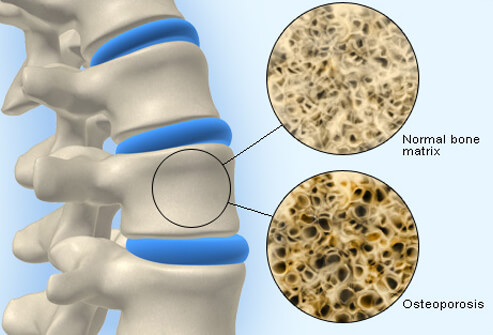
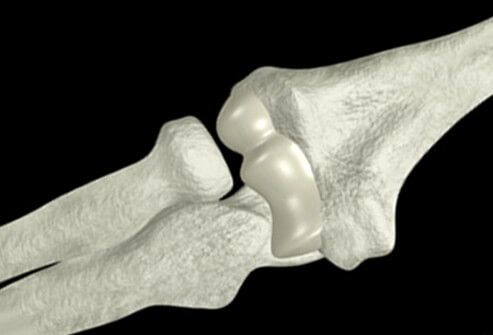
Osteoporosis is a disorder of the bones in which the bones become brittle, weak, and easily damaged or broken. A decrease in the mineralization and strength of the bones over time causes osteoporosis.
Does Osteoporosis Only Affect the Elderly?
While the effects of osteoporosis are often seen in the elderly, the disorder usually starts progressing from middle age on. Bones are their strongest in a person's mid-twenties, so it is important to have a good foundation early on to maintain healthy bones late in life.
Why Is Osteoporosis an Important Public Health Issue?
In the United States, 10 million people have osteoporosis (80% of those are women), and 34 million are at risk for developing the disease due to low bone density. Osteoporosis is a public health issue because the disease contributes to 1.5 million fractures (broken bones), including 350,000 hip fractures annually. The costs of medical care for these injures was an estimated $17 billion in 2005. These injuries can also result in permanent disability or an inability to return to work or perform daily activities.
What Are the Symptoms of Osteoporosis?
Osteoporosis may not cause any apparent symptoms. Patients may not know they have osteoporosis until they break (fracture) a bone.
Osteoporosis Symptoms: Fractures of the Spine
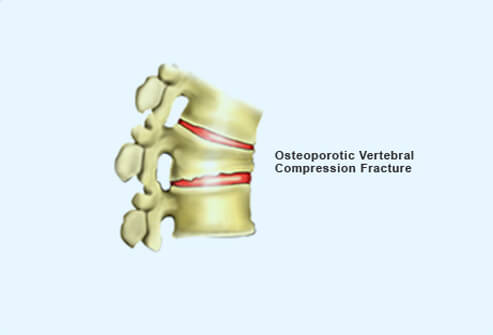
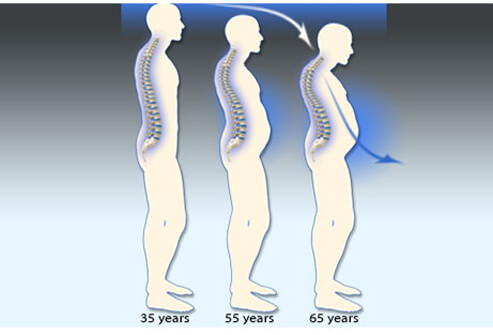
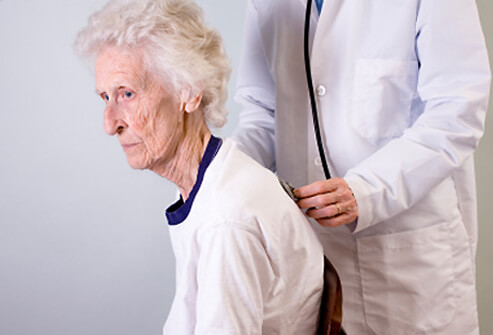
Vertebral (spinal) compression fractures are broken bones in the back that are due to weak bones caused by osteoporosis. The vertebrae (spinal bone) collapses as a result of even minor injuries related to falling, bending, twisting, or sneezing. As the bones of the spine lose their mineralization and strength, they can collapse, causing a hunched-over appearance, often referred to as a "dowager hump."
Osteoporosis Symptoms: Stress Fracture
Stress fractures occur in bones due to repetitive injuries, usually with minimal trauma. Patients with osteoporosis are more prone to stress fractures because of the weakness of their bones.
Osteoporosis Symptoms: Hip Fracture
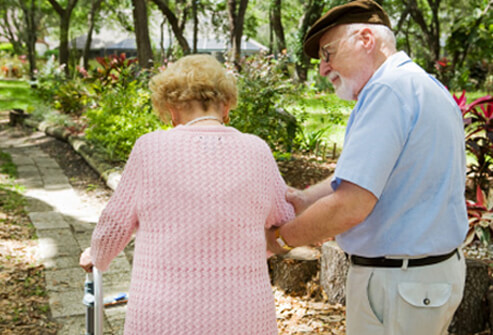
Patients with osteoporosis are at greater risk for hip fractures. Even a simple fall can cause a hip fracture in a person with osteoporosis. Due to the weakness in the bones these injuries may take a long time or be difficult to fully heal.
What Are the Consequences of Osteoporosis?
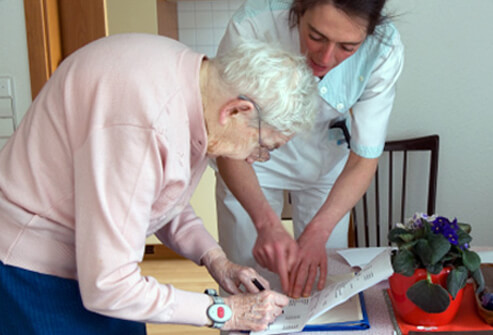
Fractures related to osteoporosis can result in significant pain and disability. Hip fractures are common among patients with osteoporosis. Twenty percent of hip fracture patients die within one year following their injury, and one-third will remain in a nursing home for at least a year.
Patients who have one vertebral (spinal) compression fracture are at high risk for developing other such fractures.
What Factors Determine Bone Strength?
Bone strength is related to bone mass (density), which refers to the amount of mineralization remaining in bones as people age. The denser the bones, the stronger they are.
Factors that determine bone strength include:
Genetics
Environment
Medications
Ethnicity (African-Americans have higher bone density than Caucasians or Asians)
Gender (men have higher bone density than women)
Aging (bone density reaches its peak around age 25, and decreases after age 35)
Menopause, Estrogen, and Osteoporosis
Women tend to be diagnosed with osteoporosis more often than men because once they reach menopause estrogen levels decrease. Estrogen helps maintain bone density in women. Post-menopausal women can lose up to 4% of bone mass annually in the first 10 years following menopause.
What Are the Risk Factors for Developing Osteoporosis?
Risk factors for developing osteoporosis that cannot be controlled include:
Female gender
Ethnicity – Caucasian or Asian
Family history
Risk factors for developing osteoporosis that can be controlled include:
Smoking
Lack of exercise
Diets lacking calcium
Poor nutrition
Alcohol abuse
What Are the Risk Factors for Developing Osteoporosis? (continued)
Additional risk factors for developing osteoporosis include medical conditions such as:
Chronically low estrogen levels
Vitamin D deficiency
Hyperthyroidism
Inability to exercise
Medications, such as chemotherapy, corticosteroids, or seizure medications
Hyperparathyroidism
Loss of menstrual periods (amenorrhea)
Inability to absorb nutrients properly in the digestive tract
How Is Osteoporosis Diagnosed?
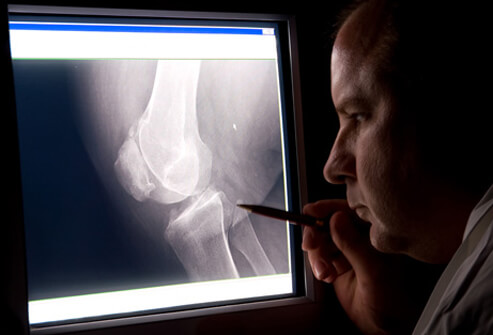
Osteoporosis is often diagnosed on an X-ray when the patient suffers a fracture. However, by the time osteoporosis is visible on X-ray there may be significant bone loss.
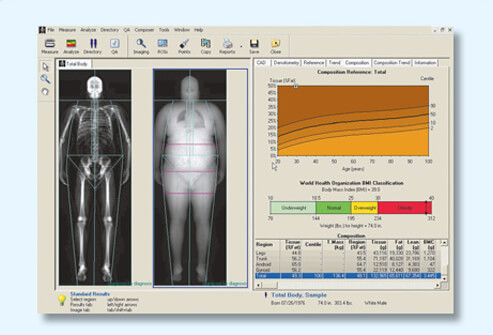
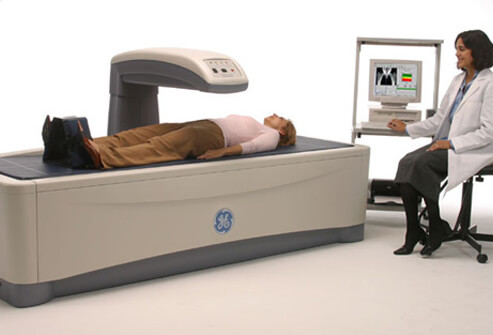
A dual energy X-ray absorptiometry (DEXA or DXA) scan can be used as a screening test for osteopenia (bone loss that precedes osteoporosis). This test measures bone density in the hip and spine and is more precise than an X-ray.
Who Should Have Bone Density Testing?
The National Osteoporosis Foundation recommends the following groups of people should have dual energy X-ray absorptiometry (DEXA or DXA) scans to screen for osteoporosis:
All women age 65 and older
All postmenopausal women under age 65 who have risk factors for osteoporosis
Postmenopausal women with fractures
Women with a medical condition associated with osteoporosis
How Are Bone Density Results Measured?
The DXA scan lists results as a "T score." This measurement is a statistical comparison (SD, or standard deviation) of the patient's bone density compared to the average peak bone density of a young adult of the same gender and ethnicity.
A T score of -1 to -2.5 SD is characteristic of osteopenia, which is a precursor to osteoporosis
A T score of -2.5 SD or below indicates osteoporosis
How Is Osteoporosis Treated and Prevented?
There is no current cure for osteoporosis. Osteoporosis treatment involves stopping further bone loss, and strengthening bones that show signs of weakness. Prevention of osteoporosis is key.
Prevention and Treatment: Exercise
Exercise is important in helping improve muscle strength and balance, which can decrease falls and other accidents. Weight-bearing exercise also has the benefit of helping to strengthen bones. Consult your doctor for the type and duration of exercise that is right for you.
A Word of Caution About Exercise
In patients with osteoporosis, exercise may injure weakened bones. It is important to discuss with a health care practitioner the exercises that are appropriate for patients with osteoporosis. It is also important to consider other medical problems that may also be present (heart disease, diabetes, high blood pressure) before starting any exercise program. Some types of extreme exercise such as marathon running may not be recommended for patients with osteoporosis.
Prevention and Treatment: Quit Smoking and Curtail Alcohol
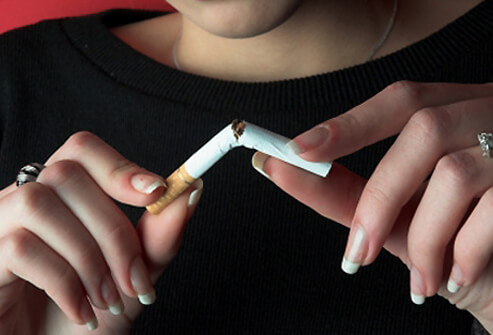
Smoking can result in bone loss. In patients with osteoporosis this can accelerate the progression of the disease. It also decreases estrogen levels in women, which can lead to earlier menopause, and further bone loss.
The effect of alcohol and caffeine on osteoporosis is not clear. To maintain optimal heath, consume alcohol and caffeine in moderation.
Prevention and Treatment: Calcium Supplements
Calcium intake is important for strong and healthy bones. Adequate calcium intake must occur earlier in life to help prevent osteopenia and osteoporosis.
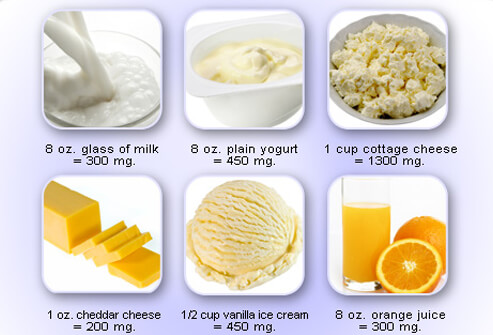
Recommended calcium intake for all adults and female teens is 1,000-1,300 mg daily. Good sources of dietary calcium include dairy products, vegetables (kale, cabbage, broccoli, spinach), and fortified foods (fruit juices, non-dairy milks, cereals). Postmenopausal women may need more calcium.
Prevention and Treatment: Calcium-Fortified Foods
Most Americans do not get enough of the U.S. Recommended Daily Allowance (USRDA) of calcium. Some examples of dietary sources of calcium include milk, yogurt, cheese, and fortified orange juice.
Prevention and Treatment: Vitamin D
In order to properly absorb calcium in the diet and maintain good bone health, the body also needs vitamin D for the following:
Absorption of calcium from the intestines
Prevent osteomalacia, which can further weaken bones
Increase bone density and decrease fractures in postmenopausal women
The USRDA for vitamin D is 600 IU (international units) per day for children age 1 year up to adults of 70 years. Infants under 1 year need 400 IU, while adults 71 and older require 800 IU.
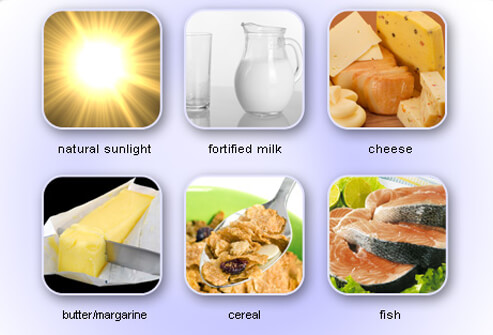
Good sources of vitamin D include sunlight, fatty fish such as salmon or mackerel, beef liver, egg yolk, milk or orange juice fortified with vitamin D, fortified cereals, and infant formulas.
Prevention and Treatment: Menopausal Hormone Therapy
Because estrogen can play a role in maintaining bone density and strength in women, many menopausal women with osteoporosis are prescribed hormone therapy (menopausal hormone therapy, formerly referred to as hormone replacement therapy, or HRT) to prevent bone loss and fractures.
Estrogen may be prescribed alone orally (Premarin, Estrace, Estratest) or as a skin patch (Estraderm, Vivelle), or along with progesterone. The combination of the two hormones can help prevent uterine cancer that can result from using estrogen alone. Menopausal hormone therapy can have side effects including increased risk of heart attack, stroke, blood clots, and breast cancer so it is not typically recommended for long-term use. Consult a doctor for more information on menopausal hormone replacement.
Prevention and Treatment: Medications
There are several types of medications used to treat osteoporosis.
1. Anti-resorptive drugs: These medications prevent bone resorption (breakdown) and can help increase bone mass. Examples include alendronate (Fosamax), risedronate (Actonel), raloxifene (Evista), ibandronate (Boniva), calcitonin (Calcimar), and zoledronate (Reclast).
2. Menopausal estrogen hormone therapy: this can act much as the anti-resorptive drugs do, preventing bone loss and helping increase bone mass.
3. Selective estrogen receptor modulators (SERMs): These medications work like estrogen, and include tamoxifen and Raloxifene (Evista).
4. Anabolic drugs: these are the only drugs that actually build bone mass. Teriparatide, a form of parathyroid hormone, is one example of this type of drug
Prevention of Hip Fractures
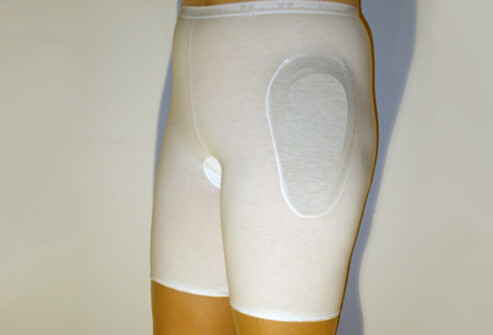
Hip protectors can reduce the risk of hip fractures in people who have osteoporosis and are at risk for falls. Hip protectors are undergarments with thin layers of foam or plastic on the hips. Hipsaver and Safehip are two of the brands available.
Osteoporosis At A Glance
Osteoporosis is a disorder of the bones in which the bones become brittle, weak, and easily damaged or broken.
Bone mass (bone density) reaches its peak around age 25, and decreases after age 35 years and decreases more rapidly in women after menopause.
Risk factors for osteoporosis include genetics, lack of exercise, lack of calcium and vitamin D, cigarette smoking, excessive alcohol consumption, and family history of osteoporosis.
Patients with osteoporosis may have no symptoms until bone fractures occur.
Osteoporosis may be diagnosed using X-rays but it is more likely to be detected with DEXA scans which measure bone density.
Treatments for osteoporosis include prescription osteoporosis medications, quitting smoking, and getting appropriate exercise, calcium, and vitamin D.
 by