Explaining Medicine
  • News
  • Health & Lifestyle
    • Diet & Weight Management
    • Exercise & Fitness
    • Nutrition, Food & Recipes
    • Prevention & Wellness
  • Conditions
    • Custom1
      • Conditions A-Z
      • Procedures A-Z
      • Allergies
      • Alzheimer’s
      • Arthritis
      • Asthma
      • Blood Pressure
      • Cholesterol
      • Cancer
    • Custom2
      • Chronic Pain
      • Cold Flu
      • Depression
      • Diabetes
      • Digestion
      • Eyesight
      • Health Living
      • Healthy Kids
      • Hearing Ear
    • Custom3
      • Heart
      • HIV/AIDS
      • Infectious Disease
      • Lung Conditions
      • Menopause
      • Men’s Health
      • Mental Health
      • Migraine
      • Neurology
    • Custom4
      • Oral Health
      • Pregnancy
      • Senior Health
      • Sexual Health
      • Skin Problems
      • Sleep
      • Thyroid
      • Travel Health
      • Women’s Health
  • Medications
    • Medications
    • Supplements and Vitamins
  • Medical Dictionary
  • Health Alerts
Flu shot recommendation for kids dropped just as...
The CDC just sidelined these childhood vaccines. Here’s...
Your next primary care doctor could be online...
In Lodge Grass, Montana, a Crow community works...
RFK Jr.’s new dietary guidelines go all in...
More seniors are becoming homeless. Shelters are trying...
Health officials slash the number of vaccines recommended...
Wegovy obesity pill now available at pharmacies
In the U.S., hunger is often hidden. But...
One doctor’s experience shows the battle for the...
Top Posts

Explaining Medicine

  • News
  • Health & Lifestyle
    • Diet & Weight Management
    • Exercise & Fitness
    • Nutrition, Food & Recipes
    • Prevention & Wellness
  • Conditions
    • Custom1
      • Conditions A-Z
      • Procedures A-Z
      • Allergies
      • Alzheimer’s
      • Arthritis
      • Asthma
      • Blood Pressure
      • Cholesterol
      • Cancer
    • Custom2
      • Chronic Pain
      • Cold Flu
      • Depression
      • Diabetes
      • Digestion
      • Eyesight
      • Health Living
      • Healthy Kids
      • Hearing Ear
    • Custom3
      • Heart
      • HIV/AIDS
      • Infectious Disease
      • Lung Conditions
      • Menopause
      • Men’s Health
      • Mental Health
      • Migraine
      • Neurology
    • Custom4
      • Oral Health
      • Pregnancy
      • Senior Health
      • Sexual Health
      • Skin Problems
      • Sleep
      • Thyroid
      • Travel Health
      • Women’s Health
  • Medications
    • Medications
    • Supplements and Vitamins
  • Medical Dictionary
  • Health Alerts
  • Slideshows

    Deep Vein Thrombosis (DVT): Symptoms, Treatment & Prevention

    by explainingmedicine October 14, 2016

    What Is DVT?

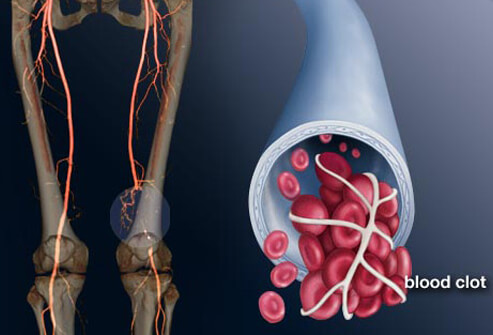
    Deep vein thrombosis is a blood clot that forms inside a vein, usually deep within your leg. About half a million Americans every year get one, and up to 100,000 die because of it. The danger is that part of the clot can break off and travel through your bloodstream. It could get stuck in your lungs and block blood flow, causing organ damage or death.

    Symptoms

    Notice how the leg on the left here is swollen below the knee. That's a common symptom of DVT. So are redness and tenderness or pain in the area of the clot. But you won't always have these. Unfortunately, about half of people with DVT get no warning signs.

    Pulmonary Embolism

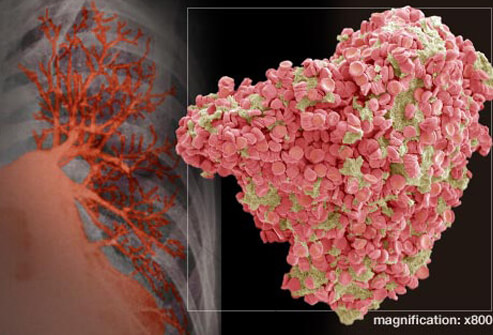
    This is a clot that moves into your lungs and blocks the blood supply. It can cause trouble breathing, low blood pressure, fainting, a faster heart rate, chest pain, and coughing up blood. If you have any of these, call 911 and get medical care right away.

    What Causes DVT?

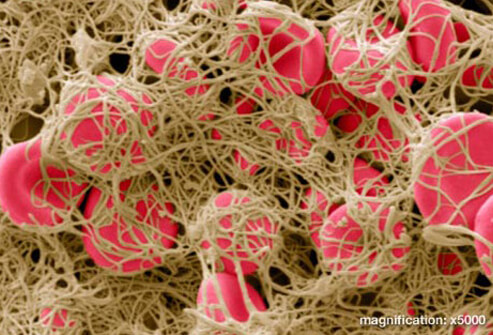
    Anything that damages the inner lining of a vein may cause DVT -- surgery, an injury, or your immune system. If your blood is thick or flows slowly, it's more likely to form a clot, especially in a vein that's already damaged. People who have certain genetic disorders or more estrogen in their system are more at risk for blood clots, too.

    Who Is Likely to Get DVT?

    Some people with a higher risk are those who:

    • Have cancer
    • Have had surgery
    • Are on extended bed rest
    • Are older
    • Smoke
    • Are overweight or obese
    • Sit for long times, like on a long airplane flight

    Pregnancy

    Women are more likely to develop DVT during pregnancy and the 4 to 6 weeks after giving birth. That's when they have higher levels of estrogen, which may make blood clot more easily. The pressure of their expanding uterus can slow blood flow in the veins as well. Certain blood disorders can boost their risk even more.

    Hormone Therapy

    Like pregnancy, birth control pills and some treatments for postmenopausal symptoms raise the amount of estrogen in a woman's blood. That can increase her risk of DVT, even if she doesn't have a blood disorder.

    Trapped in Your Seat

    Traveling to new and faraway places can be exciting! Squishing into a coach seat for a long international flight is not. Studies show long-distance travel, a trip that lasts more than 4 hours, doubles the risk of developing DVT. It doesn't matter if you go by air, bus, train, or car. When you're in a cramped seat and don't move around, your blood flow slows.

    Get a Diagnosis

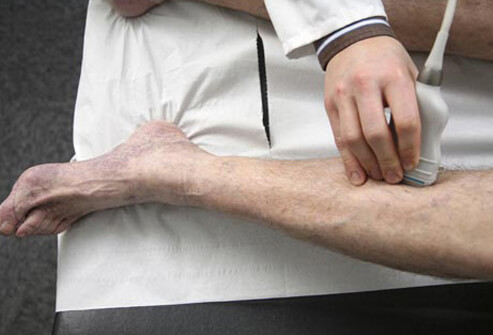
    Your doctor will check you for signs of DVT. He may also ask about your medical history, medications you're taking, medical problems of close relatives, and things that put you at risk. An ultrasound is the most common way to confirm a diagnosis. It uses sound waves to "see" the blood flow and reveal a clot. You might also need other tests, such as a blood test called a d-dimer.

    Blood Thinners

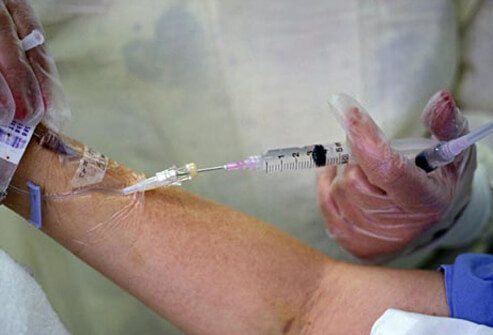
    Drugs called anticoagulants are the most common way to treat DVT. Although they're known as blood thinners, they don't really thin your blood. They make it less "sticky" to prevent new blood clots from forming. They can't break up a clot you already have, but they will give your body time to dissolve it on its own. You take these medications in a pill or by needle.

    Side Effects of Blood Thinners

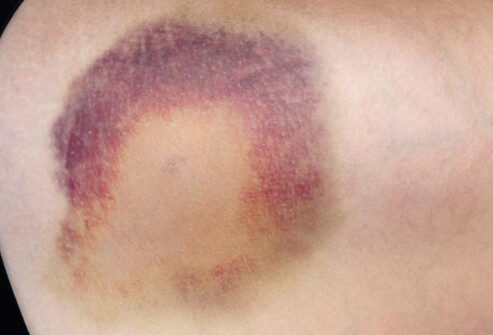
    People who take these may get bruises often or bleed more easily. When you take certain ones, you'll need to watch what you eat. And you'll need to go to a lab regularly to get your blood checked to make sure you've got the right amount of the drug in your body. You don't have to do that for newer medications, but they make it harder to stop bleeding if you have an accident.

    Let your doctor know if you bleed a lot from minor injuries.

    Internal Bleeding

    Blood thinners can also make it easier to bleed inside your body, where you can't see it. Bleeding in your belly can cause pain, vomit that's red or looks like coffee grounds, and bright red or black stools. Bleeding in your brain can cause severe headaches, vision changes, unnatural movements, and confusion. Call 911 and go to the emergency room if you notice any of these symptoms.

    Vena Cava Filter

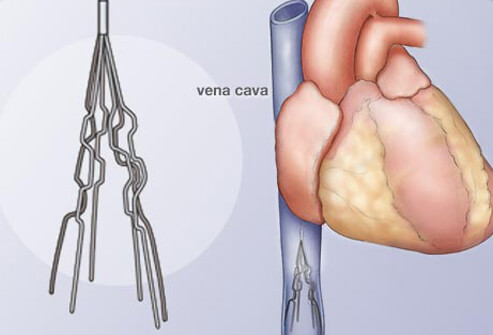
    If you can't take blood thinners or they aren't working, your doctor may recommend putting a filter into your biggest vein, called the vena cava. This filter catches breakaway clots and stops them from getting into your lungs and heart. It won't stop new clots from forming or cure DVT, but it can help prevent a dangerous pulmonary embolism.

    Clot Busters

    Medications that dissolve blood clots are called thrombolytics. They can cause sudden, severe bleeding, so doctors use them only in emergencies -- to dissolve a life-threatening blood clot in your lung, for example. You get thrombolytics by IV in a hospital.

    Compression Stockings

    These special socks put gentle pressure on your legs to keep your blood moving. They can help prevent clots from forming as well as reduce swelling and relieve discomfort in a leg where a clot has already formed. You can get compression stockings over the counter, but your doctor will need to write a prescription for ones with more pressure. Wear them even at home.

    Keep Your Feet Up

    When you can, sit with your feet resting off the floor to raise your legs. You'll make it easier for the blood in your veins to flow up toward your heart. This can lessen the swelling and discomfort in the leg with DVT.

    Long-Term Effects

    Once a blood clot is gone, DVT sometimes leaves behind an unpleasant reminder. You may see long-term swelling or changes in skin color where the clot was. Or it could hurt. These symptoms, known as post-thrombotic syndrome, sometimes show up as much as a year after the clot.

    Exercise

    Use your muscles to promote blood flow. Work your lower leg muscles especially. When you're not active -- at your desk, for example -- take breaks to stretch your legs. Stand up. Step away for a bit. Regular exercise also helps keep you at a healthy weight, and that lowers your risk, too.

    Travel Tips

    When you travel for more than 4 hours, avoid tight clothing and drink plenty of water. Get up and walk around at least every couple of hours. If you have to stay in your seat, stretch and move your legs. Try clenching and releasing your calves and thighs, or lifting and lowering your heels with your toes on the floor. Do plenty of sightseeing by foot once you arrive!

    0 comment
    0
    Facebook Twitter Google + Pinterest
    explainingmedicine

    previous post
    Nasal Allergy Relief: Products That Work
    next post
    Multiple Sclerosis: Famous Faces of MS

    Related Articles

    Most Fattening Foods of Summer: Don’t Pack on the Pounds

    October 14, 2016

    Back Pain: Myths and Facts About Back Pain

    October 14, 2016

    Heart Disease: The No. 1 Killer in the U.S.

    October 14, 2016

    Irritable Bowel Syndrome (IBS): Understanding the Disorder

    October 14, 2016

    Appendicitis: Do I Need My Appendix Removed?

    October 14, 2016

    Omega-3 Fatty Acids: Benefits of Fish Oil, Salmon, Walnuts, & More

    October 14, 2016

    15 Healthy Indulgences: Affordable Ideas to Take Care of Yourself

    October 14, 2016

    Lowering Cholesterol: 15 Tips for Avoiding Heart Disease

    October 14, 2016

    Pet Health: The Truth About Cat People and Dog People

    October 14, 2016

    Infertility: Which Treatment Is Right for You?

    October 15, 2016

    Recent Posts

    • Flu shot recommendation for kids dropped just as the illness rages

      January 12, 2026
    • The CDC just sidelined these childhood vaccines. Here’s what they prevent

      January 9, 2026
    • Your next primary care doctor could be online only, accessed through an AI tool

      January 9, 2026
    • In Lodge Grass, Montana, a Crow community works to rebuild from meth’s destruction

      January 8, 2026
    • RFK Jr.’s new dietary guidelines go all in on meat and dairy

      January 7, 2026

    Keep in touch

    Facebook Twitter Google + RSS

    Recent Posts

    • Flu shot recommendation for kids dropped just as the illness rages

      January 12, 2026
    • The CDC just sidelined these childhood vaccines. Here’s what they prevent

      January 9, 2026
    • Your next primary care doctor could be online only, accessed through an AI tool

      January 9, 2026
    • In Lodge Grass, Montana, a Crow community works to rebuild from meth’s destruction

      January 8, 2026
    • RFK Jr.’s new dietary guidelines go all in on meat and dairy

      January 7, 2026
    • Terms of Service
    • Privacy Policy

    @2026 - Explaining Medicine. All Right Reserved.


    Back To Top
    Explaining Medicine
    Proudly powered by WordPress Theme: soledad child.