Explaining Medicine
  • News
  • Health & Lifestyle
    • Diet & Weight Management
    • Exercise & Fitness
    • Nutrition, Food & Recipes
    • Prevention & Wellness
  • Conditions
    • Custom1
      • Conditions A-Z
      • Procedures A-Z
      • Allergies
      • Alzheimer’s
      • Arthritis
      • Asthma
      • Blood Pressure
      • Cholesterol
      • Cancer
    • Custom2
      • Chronic Pain
      • Cold Flu
      • Depression
      • Diabetes
      • Digestion
      • Eyesight
      • Health Living
      • Healthy Kids
      • Hearing Ear
    • Custom3
      • Heart
      • HIV/AIDS
      • Infectious Disease
      • Lung Conditions
      • Menopause
      • Men’s Health
      • Mental Health
      • Migraine
      • Neurology
    • Custom4
      • Oral Health
      • Pregnancy
      • Senior Health
      • Sexual Health
      • Skin Problems
      • Sleep
      • Thyroid
      • Travel Health
      • Women’s Health
  • Medications
    • Medications
    • Supplements and Vitamins
  • Medical Dictionary
  • Health Alerts
Flu shot recommendation for kids dropped just as...
The CDC just sidelined these childhood vaccines. Here’s...
Your next primary care doctor could be online...
In Lodge Grass, Montana, a Crow community works...
RFK Jr.’s new dietary guidelines go all in...
More seniors are becoming homeless. Shelters are trying...
Health officials slash the number of vaccines recommended...
Wegovy obesity pill now available at pharmacies
In the U.S., hunger is often hidden. But...
One doctor’s experience shows the battle for the...
Top Posts

Explaining Medicine

  • News
  • Health & Lifestyle
    • Diet & Weight Management
    • Exercise & Fitness
    • Nutrition, Food & Recipes
    • Prevention & Wellness
  • Conditions
    • Custom1
      • Conditions A-Z
      • Procedures A-Z
      • Allergies
      • Alzheimer’s
      • Arthritis
      • Asthma
      • Blood Pressure
      • Cholesterol
      • Cancer
    • Custom2
      • Chronic Pain
      • Cold Flu
      • Depression
      • Diabetes
      • Digestion
      • Eyesight
      • Health Living
      • Healthy Kids
      • Hearing Ear
    • Custom3
      • Heart
      • HIV/AIDS
      • Infectious Disease
      • Lung Conditions
      • Menopause
      • Men’s Health
      • Mental Health
      • Migraine
      • Neurology
    • Custom4
      • Oral Health
      • Pregnancy
      • Senior Health
      • Sexual Health
      • Skin Problems
      • Sleep
      • Thyroid
      • Travel Health
      • Women’s Health
  • Medications
    • Medications
    • Supplements and Vitamins
  • Medical Dictionary
  • Health Alerts
  • Slideshows

    Rocky Mountain Spotted Fever: Causes, Symptoms and Treatment

    by explainingmedicine October 14, 2016

    What Is Rocky Mountain Spotted Fever?

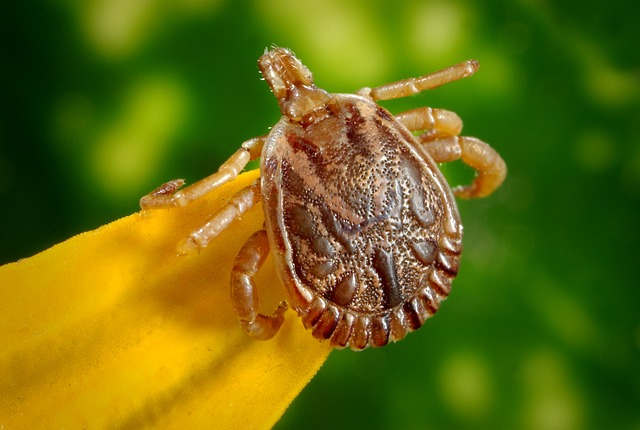
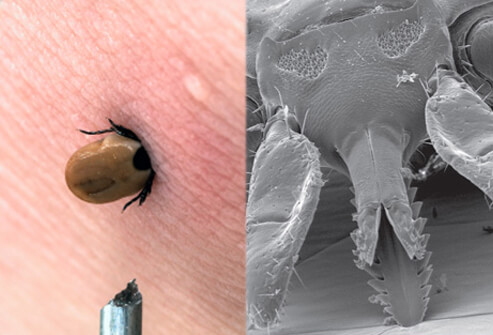
    Rocky Mountain spotted fever (RMSF) is an illness caused by infection with the bacterium Rickettsia rickettsia, which is transmitted by a bite from infected ticks.

    How Do People Get Rocky Mountain Spotted Fever?

    The bacterium Rickettsia rickettsia that causes Rocky Mountain spotted fever is transmitted by the bite of an infected tick. The primary vectors (the agents that transmit infection) for RMSF in the U.S. are the American dog tick (Dermacentor variabilis), the Rocky Mountain wood tick (Dermacentor andersoni), and the brown dog tick (Rhipicephalus sanguineus).

    What Are the Symptoms and Signs of Rocky Mountain Spotted Fever?

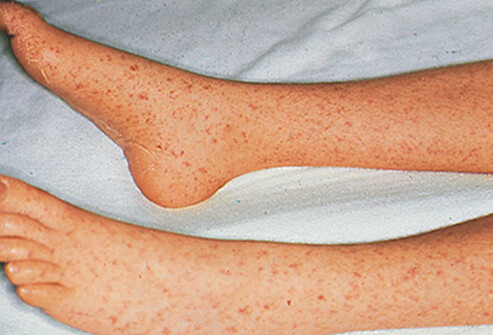
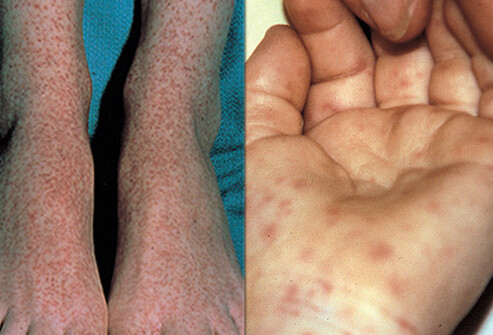
    Early symptoms of Rocky Mountain spotted fever usually occur about five to 10 days following the tick bite, and include fever, nausea, vomiting, muscle pain, loss of appetite, and headache. As the disease progresses, symptoms may include rash, abdominal pain, joint pain, and diarrhea. The disease can be severe and most patients need to be hospitalized.

    Where Do Most Cases of Rocky Mountain Spotted Fever Occur in the U.S.?

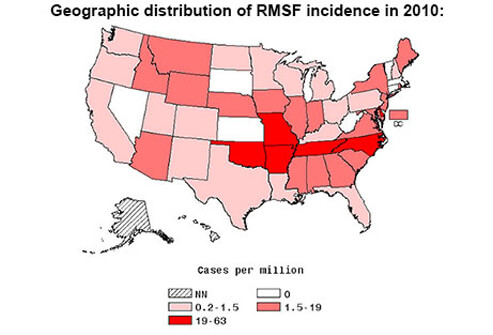
    The disease was named Rocky Mountain spotted fever as the disease was first discovered in that part of the U.S., however there are few cases in that part of the country today. Most cases of RMSF in the U.S. occur in the southeastern part of the country, including Delaware, Maryland, Washington D.C., Virginia, West Virginia, North Carolina, South Carolina, Georgia, and Florida. The most cases of RMSF are found in North Carolina and Oklahoma. Other than Antarctica, RMSF can be found in nearly all parts of the world. The disease occurs seasonally, mostly from April through September in the US. While anyone can be infected, children under 10 years of age are at highest risk.

    How Is Rocky Mountain Spotted Fever Diagnosed?

    To diagnose Rocky Mountain spotted fever, three things a physician will look for are fever and rash, occurring a few days after a tick bite. One test for RMSF includes a biopsy of the skin rash, and another involves immunofluorescence staining of skin-tissue samples. Treatment usually begins immediately, even before test results come back, as the disease can progress rapidly.

    How Is Rocky Mountain Spotted Fever Treated?

    Treatment for Rocky Mountain spotted fever includes a tetracycline (Achromycin) antibiotic, usually doxycycline (Vibramycin). This is taken per doctor’s instructions until several days after the fever goes away and the patient starts to show signs of improvement. Most patients are treated for five to 10 days, even while waiting for lab test results to come back.

    Can a Person Get Rocky Mountain Spotted Fever More Than Once?

    It is believed that once a person is infected with R. rickettsia, the bacterium that causes Rocky Mountain spotted fever, they will be immune to contracting it again. However, tick-preventive measures should always be taken, as ticks can transmit other diseases.

    How Can Rocky Mountain Spotted Fever Be Prevented?

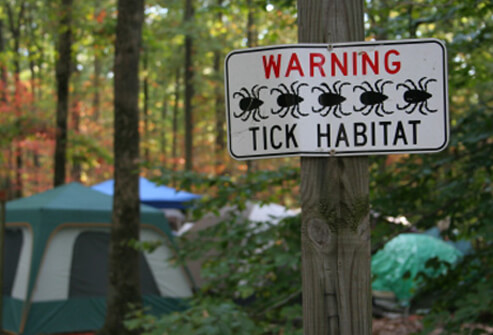
    The best way to reduce the chances of getting Rocky Mountain spotted fever is to limit exposure to ticks. If you live in a tick-infested area, promptly remove all crawling or attached ticks. It may take some time to transmit the disease from the tick to the host, so prompt removal is important. While you can’t completely eliminate all exposure to ticks, the following slides discuss preventive measures that can be taken to protect yourself when in tick-infested environments.

    Prevention Tip #1: Proper Clothing

    Wear light-colored clothing to allow you to more easily see ticks on your clothes.

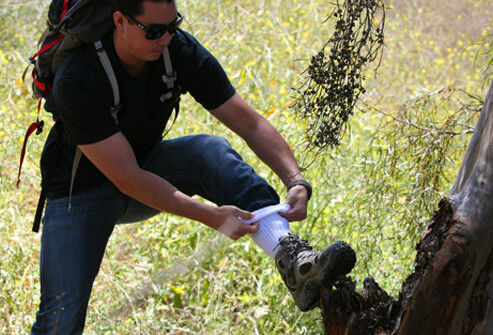
    Prevention Tip #2: Keep Ticks Out

    Keep ticks out by tucking your pant legs into your socks so ticks cannot crawl up your legs.

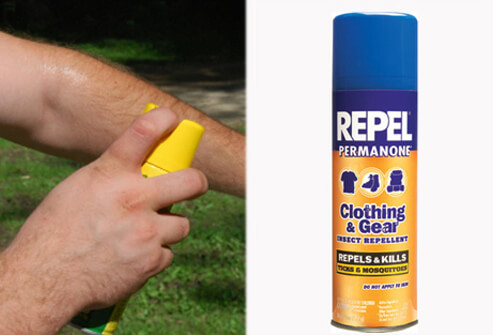
    Prevention Tip #3: Apply Repellents

    Use repellants to discourage ticks from attaching to you. Permetrin is a repellant that can be sprayed on clothing and shoes that will last several days. DEET (n, n-diethyl-m-toluamide) is a repellant that can be applied directly to the skin, but only lasts a few hours. Use caution when applying DEET to children, as it may cause adverse reactions. Check with your child’s pediatrician about what repellants to use safely on your child.

    Prevention Tip #4: Self-Check

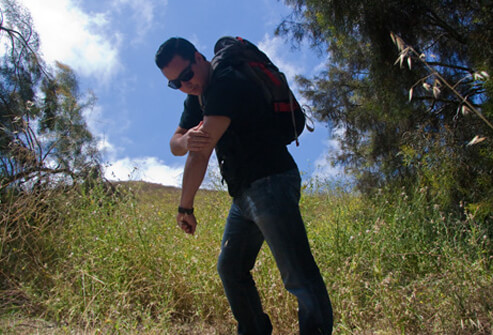
    When you have been in a tick-infested area, check yourself thoroughly upon return. Use a mirror to view your back and other parts of the body you may not easily see, and promptly remove any ticks you find.

    Prevention Tip #5: Check Children and Pets

    Check your children and pets for ticks after you have been in a tick-infested area as both can carry ticks into the house that will attach to a person later. Pay special attention to their hair and remove any ticks promptly.

    How to Remove a Tick: Step 1

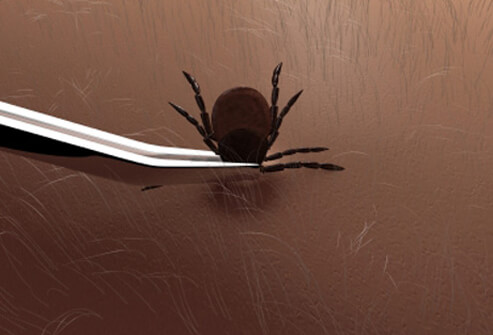
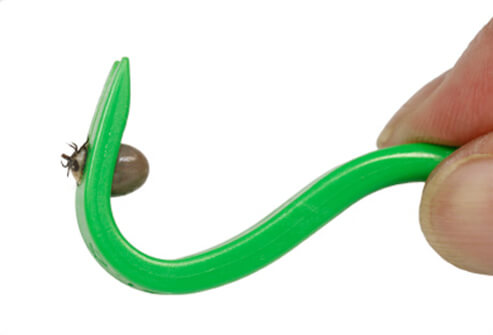
    Remove ticks safely. Use fine-tipped tweezers or specially-made notched tick extractors. Protect hands with paper towels or latex gloves. Do not remove ticks with bare hands.

    How to Remove a Tick: Step 2

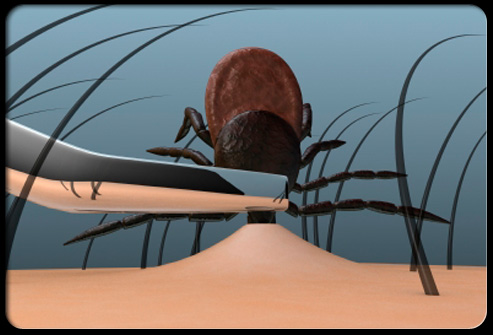
    To remove the tick, grasp it as close to the skin’s surface as possible and pull upward with steady, even pressure. Do not twist the tick as this may cause the mouth parts to break off and remain in the skin. If this happens remove the remaining parts with tweezers. Contact your doctor if you are unable to remove remaining parts, or if illness occurs.

    How to Remove a Tick: Step 3

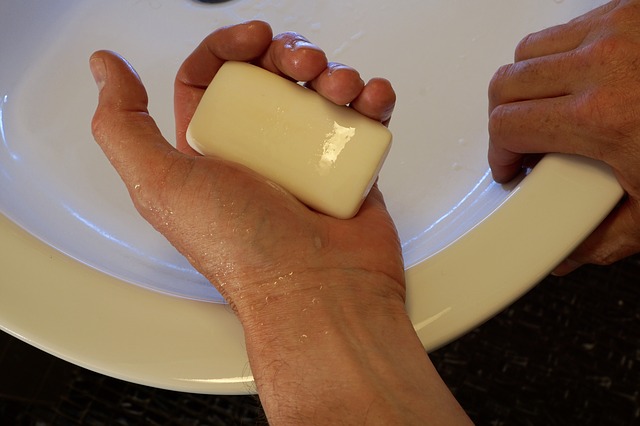
    Once the tick is removed, disinfect the bite with rubbing alcohol and wash hands thoroughly with soap and water.

    How to Remove a Tick: Step 4

    Never squeeze or crush the body of the tick because the fluids may contain the infectious bacterium. If the tick is accidentally crushed or punctured and tick fluids get on the skin, disinfect with rubbing alcohol or iodine.

    How to Remove a Tick: Step 5

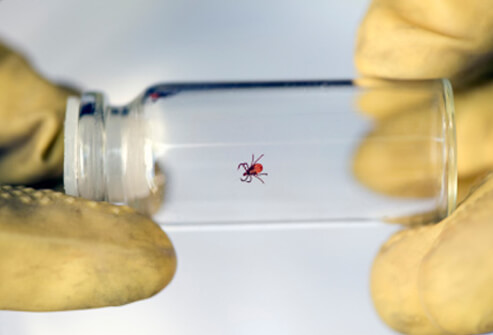
    It may not be appealing, but it is a good idea to save the tick for identification in case you become ill later. Identification of the tick can help the doctor make a diagnosis. To save the tick, place it in a sealable container or plastic bag and put it in your freezer. Write the date of the bite on the bag.

    Do Folklore Remedies Work?

    Folklore remedies such as petroleum jelly or hot matches to try to get the tick to detach do not work and should not be used. They may even make things worse by stimulating the tick to release more saliva or regurgitate gut contents and increase the chances of transmitting disease.

    How Can Ticks Be Controlled?

    Limiting exposure to ticks remains the most effective way to prevent tickborne disease. However, application of acaricides (chemicals that kill ticks and mites) and control of tick habitats (for example, leaf litter and brush) have been effective in small-scale trials. Other methods being developed include applying acaricides to animal hosts by using baited tubes, boxes, and feeding stations in tick-infested areas. Fungi, parasitic nematodes, and parasitic wasps may also help with tick-control efforts. Community-based tick management strategies may be an effective public-health response to reduce the incidence of tick-borne infections.

    0 comment
    0
    Facebook Twitter Google + Pinterest
    explainingmedicine

    previous post
    Reduce Wrinkles: Surprising Ways to Reduce Them
    next post
    Summer Skin Hazards: Stay Safe This Summer

    Related Articles

    Urinary Incontinence in Men: Products, Diet, & Lifestyle

    October 14, 2016

    Dog Health: Taking Care of Your Puppy

    October 15, 2016

    Birth Control: Methods, Side Effects and Effectiveness

    October 14, 2016

    Foot Problems: How To Keep Your Feet Healthy

    October 14, 2016

    Osteoarthritis: Tips to Keep Joints Healthy

    October 14, 2016

    First Aid: Bandaging Injuries From Head to Toe

    October 14, 2016

    Asthma: 10 Worst Cities for Asthma

    October 14, 2016

    Pet Health: Risky Mistakes Pet Owners Make

    October 14, 2016

    The Common Cold: 10 Tips to Prevent The Common Cold

    October 14, 2016

    Multiple Sclerosis: Making an MS Friendly Home

    October 14, 2016

    Recent Posts

    • Flu shot recommendation for kids dropped just as the illness rages

      January 12, 2026
    • The CDC just sidelined these childhood vaccines. Here’s what they prevent

      January 9, 2026
    • Your next primary care doctor could be online only, accessed through an AI tool

      January 9, 2026
    • In Lodge Grass, Montana, a Crow community works to rebuild from meth’s destruction

      January 8, 2026
    • RFK Jr.’s new dietary guidelines go all in on meat and dairy

      January 7, 2026

    Keep in touch

    Facebook Twitter Google + RSS

    Recent Posts

    • Flu shot recommendation for kids dropped just as the illness rages

      January 12, 2026
    • The CDC just sidelined these childhood vaccines. Here’s what they prevent

      January 9, 2026
    • Your next primary care doctor could be online only, accessed through an AI tool

      January 9, 2026
    • In Lodge Grass, Montana, a Crow community works to rebuild from meth’s destruction

      January 8, 2026
    • RFK Jr.’s new dietary guidelines go all in on meat and dairy

      January 7, 2026
    • Terms of Service
    • Privacy Policy

    @2026 - Explaining Medicine. All Right Reserved.


    Back To Top
    Explaining Medicine
    Proudly powered by WordPress Theme: soledad child.