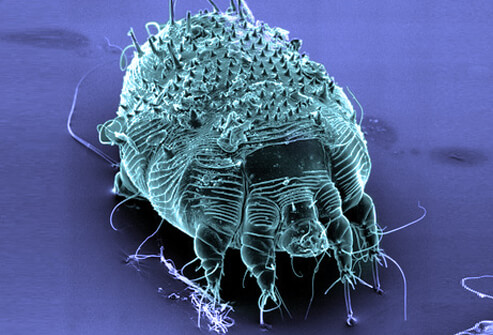
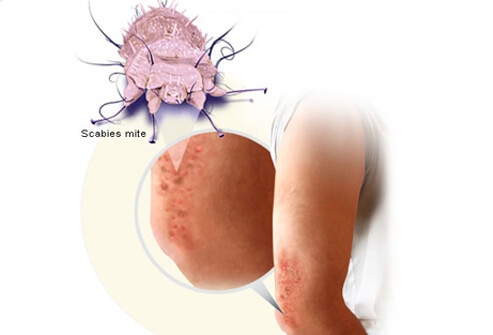
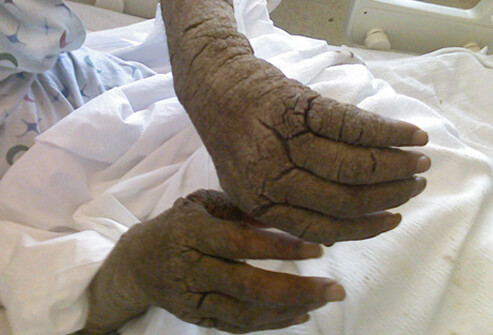
Scabies is a skin condition caused by an infestation of the human itch mite called Sarcoptes scabiei. These microscopic mites burrow into the skin and cause symptoms of itching and rash.
How Do You Get Scabies?
Anyone can get scabies. It is found all over the world and the mite is transmitted by direct and prolonged skin-to-skin contact with a person who has scabies. Sexual contact is the most common way scabies is transmitted. Transmission can also happen from parents to children, particularly mother-to-infant. The mite can only survive about 48 to 72 hours without human contact, so it is uncommon, though possible, for scabies to spread through infested bedding or furniture.
How Long Does Scabies Last?
Scabies mites can only live about 72 hours without human contact, but once on a person, the mites can live up to two months. Mites survive longer in colder conditions with higher humidity. Once on a person, mites can burrow into the skin, and symptoms usually begin three to six weeks after infestation.
Can You Catch Scabies from a Dog or Cat?
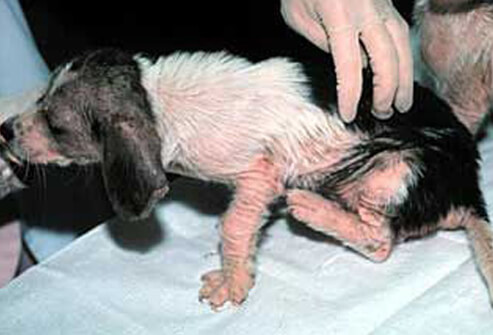
Animals do not spread the same types of mites that cause human scabies, so it is not possible to catch scabies from a dog or cat. The type of scabies that can infest pets is called "mange." Mange mites can spread to humans and cause minor itching and redness, but those mites cannot survive or reproduce on human skin and will die out on their own, limiting symptoms in humans. People do not need to be treated if they come into contact with mange, but dogs and cats must be treated because mange can spread and cause fur loss, and scaly and itchy skin in pets.
What Are the Signs and Symptoms of Scabies?
Symptoms of scabies are usually itching (which tends to be more intense at night), and a pimple-like rash. Scabies rash can appear on any part of the body, but the most common sites are wrists, elbows, armpits, the skin between the fingers and toes and around the nails, and skin usually covered by clothing such as the buttocks, belt line, nipples, and penis. Infants and young children may have scabies rash on their head, face, neck, palms, and soles.
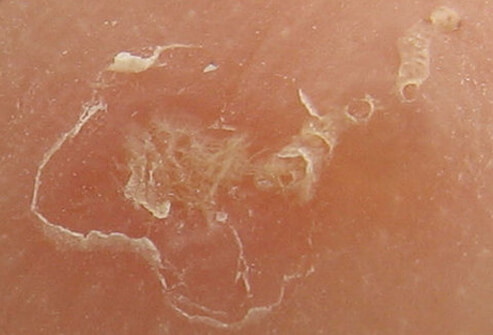
In some patients with weakened immune systems, scabies rash may become crusted.
What Do Scabies Look Like?
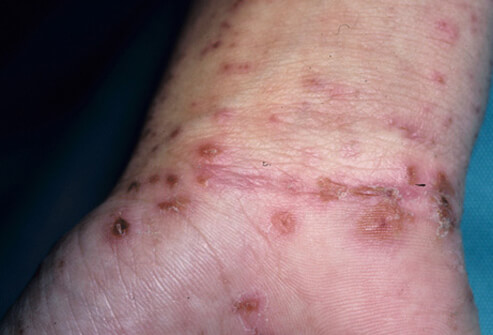
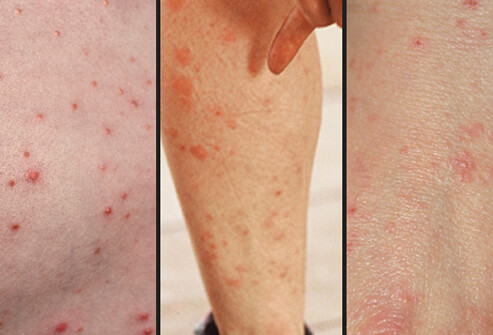
Scabies often looks like small red pimple-like bumps on the skin. The bumps may be crusty. They may also be accompanied by "burrows," or thin gray, brown, or red lines that radiate from the bumps. They may be hard to see, and can look like scratch marks.
What Does a Scabies Infection Feel Like?
Scabies causes intense itching, often worst at night. The itching starts as a minor nuisance and progresses to a point where the infested person cannot sleep.
How Is Scabies Tested and Diagnosed?
Scabies is usually diagnosed by the patient's history and a physical examination of the lesions (bumps). Other tests that may be done include:
Skin scraping to identify the mites or eggs
Dermoscopy, which uses a handheld dermoscope to allow closer visual examination of the skin to look for mites
Adhesive tape test in which a doctor uses strong adhesive tape applied to the skin lesions and then pulled off and viewed under a microscope to check for mites
Scabies Treatment: Cream Applications
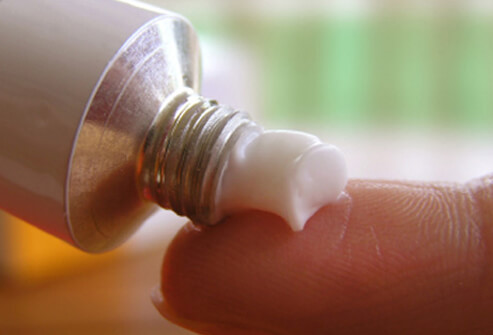
There are no over-the-counter approved treatments for scabies. A doctor must prescribe treatment. A first-line treatment for scabies may involve a topical cream, such as permethrin (Elimite), which is applied directly to the skin, from the neck to the soles of the feet. It should be left on overnight and then washed off 8 to 14 hours later. Usually a second application after 1 to 2 weeks is recommended.
Other topical scabies treatments include crotamiton (Crotan, Eurax) cream or lotion, lindane (not usually used as a first-line treatment due to risk of seizures), sulfur ointment, and benzyl benzoate (not available in the United States).
Scabies Treatment: Oral Medication
In some cases, oral ivermectin may be used, particularly in cases where scabies covers a large part of the body and is crusted. It is also often used in settings such as nursing homes where there may be widespread outbreaks. The Centers for Disease Control (CDC) recommends a dose of 200 mcg/kg as a single dose, repeated in two weeks. The advantages of oral ivermectin are that it is easy to use and it does not cause related skin problems. However, oral ivermectin can cause unwanted side effects so it is not always the first choice treatment.
Scabies Treatment: Antihistamines
To get relief from the symptom of itching, some over-the-counter antihistamines such as diphenhydramine (Benadryl) may help control the itch and allow sleep.
Scabies Treatment: Wash Linens and Bedclothes
Scabies mites do not survive more than 72 hours without human contact. It is usually sufficient to machine wash bed linens and clothing in hot water and dry on high heat, or have the items dry-cleaned. It is not necessary to have furniture or carpets cleaned as the mites will die off on their own in a few days without human contact.
Scabies Treatment: Additional Tips
Some additional ways you can treat scabies mites or prevent them from spreading include:
Make sure everyone who is in contact with the infested person is treated, particularly those who come in frequent, close contact with that person (i.e., sexual partners, people who live with the infested person, small children and infants cared for by an infested parent).
Keep fingernails and toenails well trimmed and clean of any mites or eggs.
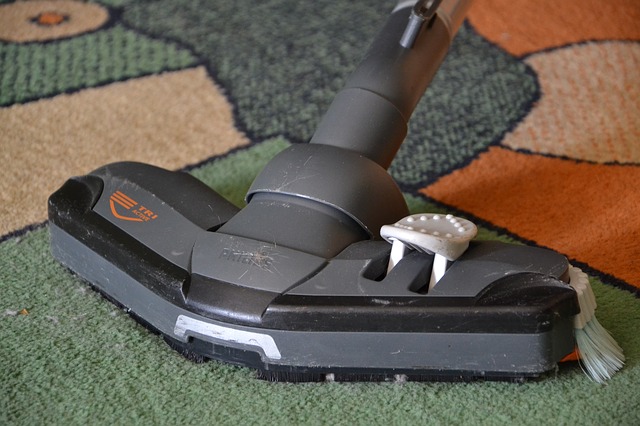
Thoroughly vacuum carpets, furniture, and car interiors. Use extra caution vacuuming after someone who has crusted mites, as these are more contagious. Discard the vacuum cleaner bags or clear out the dirt receptacle when done.
Avoid scratching bumps or lesions.
Keep open sores clean.
Remember that once treatment starts it may still take a few days for itching and other symptoms to subside. If it does not go away, see a doctor.
Are Cases of Scabies Often Misdiagnosed?
Scabies can often resemble other skin conditions. It may look like small pimples, or mosquito bites. It may also look like eczema or tinea (ringworm, athlete's foot, and jock itch). It is important to see a doctor to receive the correct diagnosis and treatment.
In What Special Situations Can Scabies Be More Easily Spread?
Scabies may spread more easily in nursing homes and other extended-care facilities because of the close contact of residents and staff. Scabies mites can also more easily spread among people with compromised immune systems, such as people with HIV/AIDS, or cancer.
What Is “Norwegian Scabies”?
"Norwegian scabies" is another name for crusted scabies, which tends to occur more often in patients with compromised immune systems due to conditions such as HIV/AIDS or cancer, or in the elderly, and in patients with Down syndrome. Patients with crusted scabies have large numbers of scabies mites and are very contagious. It can affect any area of the body but the scalp, hands, and feet are most commonly affected. The scales become warty, with crusts and fissures. Lesions may have an unpleasant odor. Nails may be thick and discolored, and patients may or may not have symptoms of itching.
 by