Explaining Medicine
  • News
  • Health & Lifestyle
    • Diet & Weight Management
    • Exercise & Fitness
    • Nutrition, Food & Recipes
    • Prevention & Wellness
  • Conditions
    • Custom1
      • Conditions A-Z
      • Procedures A-Z
      • Allergies
      • Alzheimer’s
      • Arthritis
      • Asthma
      • Blood Pressure
      • Cholesterol
      • Cancer
    • Custom2
      • Chronic Pain
      • Cold Flu
      • Depression
      • Diabetes
      • Digestion
      • Eyesight
      • Health Living
      • Healthy Kids
      • Hearing Ear
    • Custom3
      • Heart
      • HIV/AIDS
      • Infectious Disease
      • Lung Conditions
      • Menopause
      • Men’s Health
      • Mental Health
      • Migraine
      • Neurology
    • Custom4
      • Oral Health
      • Pregnancy
      • Senior Health
      • Sexual Health
      • Skin Problems
      • Sleep
      • Thyroid
      • Travel Health
      • Women’s Health
  • Medications
    • Medications
    • Supplements and Vitamins
  • Medical Dictionary
  • Health Alerts
Flu shot recommendation for kids dropped just as...
The CDC just sidelined these childhood vaccines. Here’s...
Your next primary care doctor could be online...
In Lodge Grass, Montana, a Crow community works...
RFK Jr.’s new dietary guidelines go all in...
More seniors are becoming homeless. Shelters are trying...
Health officials slash the number of vaccines recommended...
Wegovy obesity pill now available at pharmacies
In the U.S., hunger is often hidden. But...
One doctor’s experience shows the battle for the...
Top Posts

Explaining Medicine

  • News
  • Health & Lifestyle
    • Diet & Weight Management
    • Exercise & Fitness
    • Nutrition, Food & Recipes
    • Prevention & Wellness
  • Conditions
    • Custom1
      • Conditions A-Z
      • Procedures A-Z
      • Allergies
      • Alzheimer’s
      • Arthritis
      • Asthma
      • Blood Pressure
      • Cholesterol
      • Cancer
    • Custom2
      • Chronic Pain
      • Cold Flu
      • Depression
      • Diabetes
      • Digestion
      • Eyesight
      • Health Living
      • Healthy Kids
      • Hearing Ear
    • Custom3
      • Heart
      • HIV/AIDS
      • Infectious Disease
      • Lung Conditions
      • Menopause
      • Men’s Health
      • Mental Health
      • Migraine
      • Neurology
    • Custom4
      • Oral Health
      • Pregnancy
      • Senior Health
      • Sexual Health
      • Skin Problems
      • Sleep
      • Thyroid
      • Travel Health
      • Women’s Health
  • Medications
    • Medications
    • Supplements and Vitamins
  • Medical Dictionary
  • Health Alerts
  • Slideshows

    Cervical Cancer: Symptoms, Stages, and Treatment

    by explainingmedicine October 14, 2016

    What Is Cervical Cancer?

    The cervix is the lower part of the uterus, where it extends into the vagina. Cancer of the uterine cervix affects over 12,000 women each year in the U.S. Most cases of cervical cancer are actually caused by an infectious agent, the human papillomavirus (HPV). It is highly curable when detected early enough.
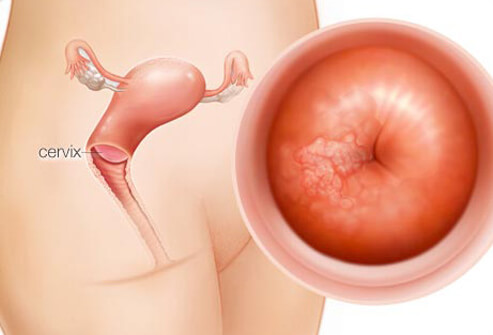
    Cervical Cancer Symptoms

    At the very early stages of cervical cancer, there are usually no symptoms or signs. As the cancer grows, symptoms can include abnormal vaginal bleeding. Abnormal vaginal bleeding is bleeding that occurs between periods, during sex, or after menopause. Pain during sex and vaginal discharge are other possible symptoms.

    HPV: Top Cause of Cervical Cancer

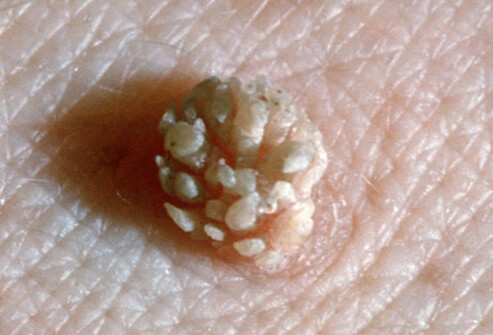
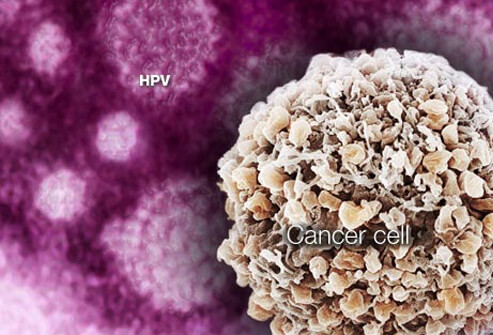
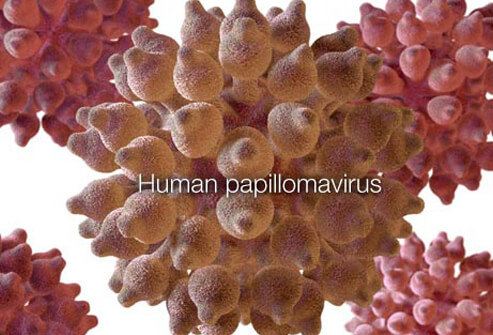
    The Human Papilloma Viruses (HPVs) are a large group of viruses, about 40 of which can infect the human genital tract. Some HPVs are known to cause cervical cancers, while others cause genital warts.


    HPV and Cervical Cancer Fast Facts

    • Most genital HPV infections go away on their own.
    • When they become chronic, genital HPV infections can cause precancerous and cancerous changes in the cells that line the uterine cervix.
    • Over 90% of cervical cancers are caused by HPV infection.

    HPV Symptoms

    The types of HPVs that cause genital warts are different from those that cause cervical cancer. Genital warts are not precancerous lesions and will not develop into cervical cancer. The “high-risk” or potentially cancer causing types of HPV can stay in the body for years without causing symptoms. Most infections, however, go away on their own and do not cause cellular changes.

    How Do You Get HPV?

    HPV infection is extremely common. In fact, most men and women who have ever had sex will contract the infection at some point in life. In some people, the infection persists for years, even if they are not sexually active. Condoms may lower the risk of acquiring the infection, but they are not 100% effective.


    Other Places Where HPV Causes Cancer

    • Penis
    • Anal area
    • Vulva
    • Vagina
    • Oral cavity

    How HPV Causes Cervical Cancer

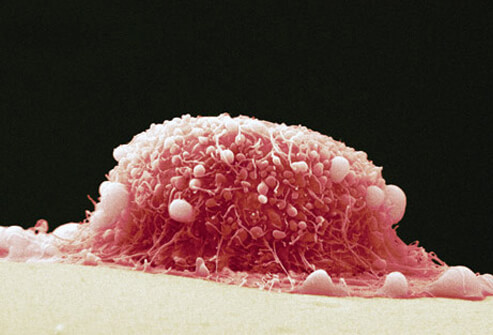
    High-risk HPVs lead to cancer because they produce changes in the cells of the cervix. These are initially precancerous changes that can be recognized with screening tests. With time, the precancerous cells can develop into cancer cells. After cancer has developed it spreads within the cervix and eventually to surrounding and finally to distant areas.

    Other Risk Factors for Cervical Cancer

    Women of Hispanic or African American ethnicity have a higher risk of cervical cancer than Caucasian women.


    Factors That Increase Cervical Cancer Risk

    • Smoking
    • Long-term use of oral contraceptive pills
    • Having many children
    • Having HIV or a weakened immune system
    • Having had multiple sexual partners

    Pap Test for Finding Cervical Cancer Early

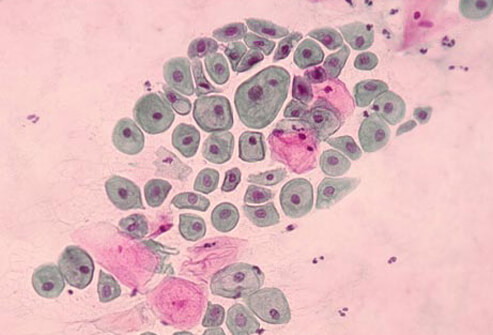
    The Pap test has been a success in preventing many cases of cervical cancer because it is able to detect abnormal cells often before they turn into cancer cells. A swab is taken of the cervix that is then examined for abnormal cells.

    Women should have a Pap test every 3 years starting at age 21. From age 30 to 65, women can go up to 5 years between Pap tests if they get both a Pap and HPV test. If you are at higher risk, you may need more frequent testing. Skipping tests increases the risk of cervical cancer. Even if you have received the HPV vaccine, you still need Pap tests, because the vaccine does not protect against all the types of HPV that can cause cancer.

    What If Your Pap Test Results Are Abnormal?

    If there are minor changes seen on the cells in a Pap smear, the doctor may order a repeat test. He or she may also suggest a colposcopy, an examination that looks at the cervix through a magnifying device, or a biopsy of the cervix. Abnormal cells can be destroyed before they turn into cancer cells, and this type of treatment is highly effective in preventing cervical cancer.


    The Bethesda System and Squamous Cells

    Pathologists who study Pap test cells use a set of terms known as the Bethesda System to classify the results of the test. Abnormal cells are typically divided into seven categories.


    The Seven Cell Categories of the Bethesda System

    1. Atypical Squamous Cells (ASC) -- This is the most common group of abnormal cells. ASCs don’t appear normal, but whether they are precancerous or not is unknown. These are further divided into ASC-US and ASC-H, where ASC-H is considered more likely to be precancerous.
    2. Low-Grade Squamous Intraepithelial Lesions (LSILs) -- These cells have mild abnormalities due to HPV infection.
    3. High-Grade Squamous Intraepithelial Lesions (HSILs) -- HSILs are more likely than LSILs to progress to cancer if they remain untreated. Compared to LSILs, the sizes and shapes of HSILs are more dramatically altered from normal cells.
    4. Squamous Cell Carcinoma -- This is cancer, meaning the abnormal cells have crept more deeply into the cervix. This type of finding during a Pap test is very unusual in a place with extensive cancer screenings such as the United States.
    5. Atypical Glandular Cells (AGC) -- These are glandular cells of an uncertain type.
    6. Endocervical Adenocarcinoma in Situ (AIS) -- These cells are considered severely abnormal, yet they have not spread past the cervix’s gland tissue.
    7. Adenocarcinoma -- this is cancer, and may refer to cervical cancer, but also cancers of the uterus, uterine lining, and elsewhere.

    HPV DNA Test for Finding Cervical Cancer Early

    Testing for the genetic material (DNA) of the HPV viruses is a diagnostic test that can be done in addition to the Pap test. This test identifies the high-risk forms of HPV that are associated with cancer. The test may also be used in women who have had abnormal Pap test results.

    Biopsy for Cervical Cancer Diagnosis

    A biopsy is the removal of a small piece of tissue for examination in the laboratory. The examination can identify the presence of precancerous changes or cancer cells. Most biopsies can be done in the doctor's office.


    Cone Biopsy

    A cone biopsy is a larger biopsy that removes the area around the cervical opening. It can also show the spread of abnormal cells beneath the surface of the cervix.

    Cervical Cancer Stages

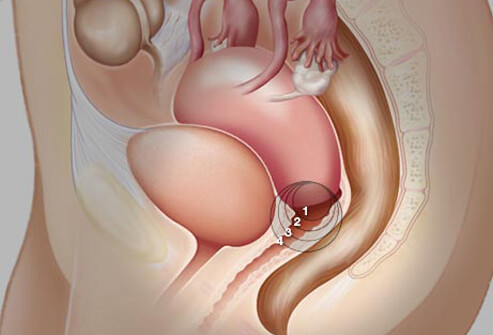
    The stage of cervical cancer refers to the extent to which it has spread.


    What Cervical Cancer Stages Mean

    • Stage 0 -- Stage 0 means that the cancer cells are found on the surface of the cervix
    • Stage I -- Stage I means the cancer is localized to the cervix.
    • Stage II -- Spread to the upper part of the vagina signals a stage II cancer.
    • Stage III -- Stage III tumors extent to the lower vagina
    • Stage IV -- In stage IV, the tumor has spread to the bladder or rectum, or to distant sites in the body.

    Cervical Cancer Treatment: Surgery

    For cancers up to stage II, surgery is usually done to remove the areas of cancer. This generally means that the uterus is removed (hysterectomy) along with the surrounding tissue. The ovaries, Fallopian tubes, and lymph nodes in the area may also be removed.

    Cervical Cancer Treatment: Radiation

    External radiation therapy can be used to destroy cancer cells that may remain after surgery. Internal radiation (brachytherapy) involves placement of radioactive material inside the tumor itself to destroy cancer cells. Radiation therapy is often used together with chemotherapy to treat women with all but the earliest cases of cervical cancer.


    Side Effects of Radiation Therapy

    • Nausea
    • Vomiting
    • Tiredness
    • Low blood cell counts

    Cervical Cancer Treatment: Chemotherapy

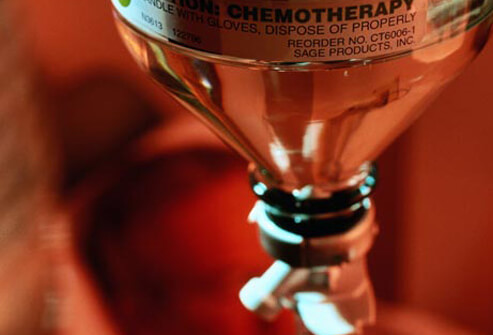
    Chemotherapy may be the main treatment if cervical cancer has spread to distant sites in the body. Chemotherapy is the use of toxic drugs to kill cancer cells.


    Chemotherapy Side Effects

    • Fatigue
    • Hair loss
    • Loss of appetite
    • Nausea
    • Vomiting
    • Easy bruising

    Coping With Cervical Cancer Treatments

    Although cancer treatments can make you lose your appetite, it’s important to maintain good nutrition and keep up a healthy weight. Being active is also helpful since exercise can increase your energy levels and reduce stress. Your doctor can help you decide what kind of activity is best for you.

    Fertility After Cervical Cancer Surgery?

    Since treatment for cervical cancer can involve removing the uterus and ovaries, future pregnancy may not be possible. However, if the cancer is caught early, there may be an option for future pregnancy with a treatment known as a radical trachelectomy. In this procedure, the cervix and part of the vagina are removed, but the majority of the uterus is left intact.

    Cervical Cancer Survival Rates

    Surviving cervical cancer depends upon the stage, or extent of spread, at the time it is found. Based upon women diagnosed between 2000 and 2002, 5-year survival rates ranged from 93% for cancers detected early to 15% for cancers that were widespread. But treatments and outlook are constantly improving, and these odds may be better today. And no statistics can predict exactly how one person will respond to treatment.

    Cervical Cancer Vaccine

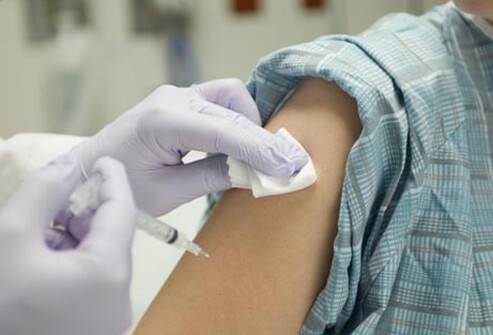
    Vaccines are available to prevent infection with the types of HPV most likely to cause cancers.


    Popular Cervical Cancer Vaccines

    • Cervarix requires three shots over a six-month time period.
    • Gardasil also requires three shots over a six-month time period. Gardasil also protects against the two types of HPV that most commonly cause genital warts.

    Newer forms of these vaccines are in development.

    Who Should Get the HPV Vaccine?

    The vaccines do not treat existing HPV infection, but they may prevent it. For best results, they should be given before the individual becomes sexually active.


    Girls and Young Women

    The CDC recommends giving girls the three-vaccine series at age 11 or 12. Girls and women aged 13 to 26 can receive a catch-up vaccine.


    Boys and Young Men

    Recognizing that HPV infections are often sexually transmitted and likely cause more than half of the cancers of the throat, and other sites, boys between ages 11 and 21 are also advised to be vaccinated.

    0 comment
    0
    Facebook Twitter Google + Pinterest
    explainingmedicine

    previous post
    Breast Cancer: Diagnosis and Treatment
    next post
    Baby Health: The Facts About Bottle Feeding

    Related Articles

    Dog Health: Skin Problems in Dogs

    October 14, 2016

    Cataracts: A Visual Guide to Causes, Symptoms and Surgery

    October 14, 2016

    Organic Foods: Top Picks

    October 14, 2016

    Osteoporosis: Super Foods for Your Bones

    October 14, 2016

    Fetal Development: Take a Peek Inside the Womb Month by Month

    October 14, 2016

    First Aid: Bandaging Injuries From Head to Toe

    October 14, 2016

    Nerve Pain: Symptoms, Causes and Treatment Options

    October 14, 2016

    Vegetarian Diet: Becoming a Vegetarian

    October 14, 2016

    Parenting: Healthy Eating Tips for Kids

    October 14, 2016

    Weight Loss: Top 10 Habits That Can Help You Lose Weight

    October 14, 2016

    Recent Posts

    • Flu shot recommendation for kids dropped just as the illness rages

      January 12, 2026
    • The CDC just sidelined these childhood vaccines. Here’s what they prevent

      January 9, 2026
    • Your next primary care doctor could be online only, accessed through an AI tool

      January 9, 2026
    • In Lodge Grass, Montana, a Crow community works to rebuild from meth’s destruction

      January 8, 2026
    • RFK Jr.’s new dietary guidelines go all in on meat and dairy

      January 7, 2026

    Keep in touch

    Facebook Twitter Google + RSS

    Recent Posts

    • Flu shot recommendation for kids dropped just as the illness rages

      January 12, 2026
    • The CDC just sidelined these childhood vaccines. Here’s what they prevent

      January 9, 2026
    • Your next primary care doctor could be online only, accessed through an AI tool

      January 9, 2026
    • In Lodge Grass, Montana, a Crow community works to rebuild from meth’s destruction

      January 8, 2026
    • RFK Jr.’s new dietary guidelines go all in on meat and dairy

      January 7, 2026
    • Terms of Service
    • Privacy Policy

    @2026 - Explaining Medicine. All Right Reserved.


    Back To Top
    Explaining Medicine
    Proudly powered by WordPress Theme: soledad child.