 by
Digestive Disease Myths
The proper functioning of the digestive system is one of the foundations of health, but many myths surround digestive disorders. In this slideshow we separate fact from fiction about digestive diseases.
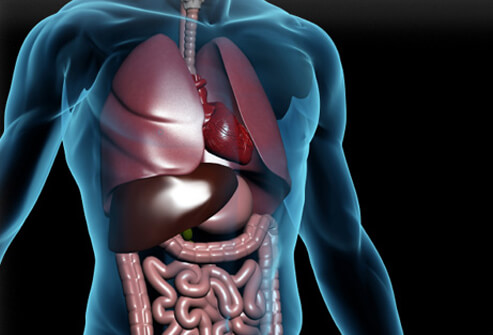
The proper functioning of the digestive system is one of the foundations of health, but many myths surround digestive disorders. In this slideshow we separate fact from fiction about digestive diseases.

False. Most stomach ulcers are caused by Helicobacter pylori (H. pylori), a type of bacteria, or the use of nonsteroidal anti-inflammatory drugs (NSAIDs) such as naproxen, ibuprofen, or aspirin. In the case of H. pylori infection, antibiotics can treat the infection. Ulcers caused by NSAIDs are healed by stopping the pain medication and taking antacids and medications that reduce stomach acid. It's a myth that spicy foods and stress cause ulcers, but it is true that they can worsen ulcer symptoms. Cancer can cause stomach ulcers, too.

False. It's a myth that smoking helps relieve heartburn. The exact opposite is true. Smoking increases the risk of heartburn by weakening the lower esophageal sphincter (LES), the muscular ring that separates the esophagus and the stomach. A weak LES allows acid and stomach contents to back up into the esophagus, causing pain and other symptoms. Smoking often leads to esophagitis, inflammation of the esophagus. Smoking relaxes the LES and allows erosive stomach contents to back up into the esophagus and damage it.

False. Celiac disease is a disease that affects children and adults. It affects 1 in 133 otherwise healthy people in the U.S. Celiac symptoms are often apparent in children who experience failure to thrive, diarrhea, and retarded growth, but symptoms can manifest for the first time in adults as well. Symptoms that emerge in adulthood may include abdominal pain, bloating, and distention. Gas and diarrhea may be present. People who have celiac disease have impaired nutrient absorption in the small intestine which may lead to anemia, skin rashes, and bone thinning (osteoporosis). It's common for people who have celiac disease to suffer for many years before they receive the correct diagnosis and treatment.
People who have celiac disease must adhere to a strict, life-long gluten-free diet. Gluten is a protein found in wheat, barley, and rye. Celiac disease patients need to remain on a gluten-free diet even if they are not experiencing symptoms. The reason gluten is dangerous for those with celiac disease is that it triggers an autoimmune reaction that damages the living of the small intestine. If enough damage occurs, it adversely affects the absorption of nutrients. Trace amounts of gluten can be dangerous and cause damage even if overt symptoms are not apparent.

False. Bowel function and the frequency of bowel movements are highly variable. It's normal to have as many as three bowel movements a day, to three per week. Even more or fewer bowel movements are normal for some healthy people. If the frequency of your bowel movements deviates from your norm, take note. Irritable bowel syndrome (IBS) is a condition in which people have variable bowel movement frequency and stool consistency.
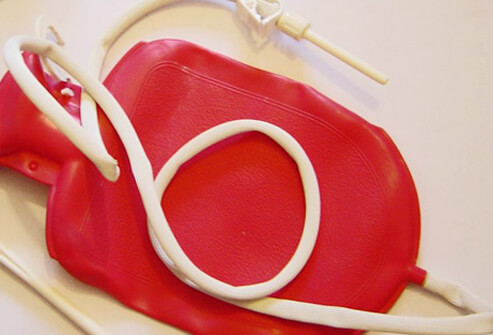
False? The evidence is not clear about the safety of habitual use of enemas. There are not many long-term studies about regular use of laxatives or enemas. Some studies show laxatives may impair the ability of the colon to contract and function properly. Some people believe the same may be true of enemas although the evidence is not strong. Enemas fill the colon and act as a stimulus for a bowel movement; therefore, some people regard enemas as more natural than laxatives. It is not normal to rely on laxatives or enemas to have a bowel movement. See your doctor or health care professional if you require them to have a bowel movement.
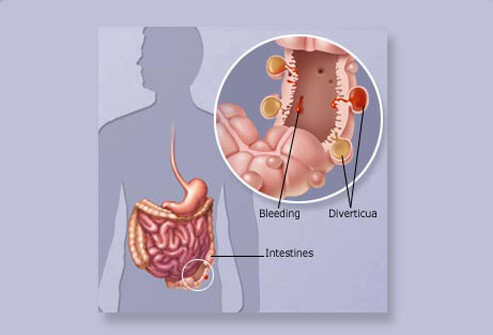
False. Most people in the U.S. over the age of 60 have diverticulosis, but very few have overt symptoms. Diverticulosis is a condition in which small pouches (diverticula) grow out of the wall of the colon. These weak spots in the colon increase with age. Many people learn they have diverticula after undergoing routine testing for another condition. Diverticula may be discovered during a barium enema or colonoscopy. The potential complications of diverticulosis include bleeding, colon perforation, and infection (diverticulitis). Fewer than 10% of people who have diverticulosis develop a complication due to the condition.

False. Inflammatory bowel disease (IBD) is the term given to two intestinal disorders, ulcerative colitis and Crohn's disease. Researchers are unsure as to the cause of IBD, but a viral or bacterial infection may play a role. An infection may trigger the immune system to create inflammation in the intestines. Although stress can aggravate the symptoms of IBD, there's no solid evidence that anxiety, tension, or any other psychological factor causes the disorder.

False. Cirrhosis is scarring of the liver that may be caused by alcoholism and other conditions. Alcoholism is the second most common cause of cirrhosis in the U.S. It is responsible for less than 50% of all cases of cirrhosis. Chronic hepatitis C, nonalcoholic fatty liver disease (NAFLD), nonalcoholic steatohepatitis (NASH), primary biliary cirrhosis, prescription drug reactions, bile duct injury, and chronic hepatitis B infection are other causes of cirrhosis in adults. Some conditions that cause abnormal storage of metals such as copper and iron may also cause cirrhosis. Glycogen storage diseases, biliary atresia, cystic fibrosis, and alpha-1 antitrypsin deficiency, and other rare conditions cause cirrhosis in children.

False. Ostomy is a surgical procedure in which a part of the small intestine or colon is removed. The opening of the remaining bowel is then attached to an opening in the abdomen. Stool is collected after an ostomy in one of two ways. Sometimes it's collected in a bag that is secured outside the abdomen. Another method involves the creation of an internal pouch from intestinal tissue. For this method, a catheter is used to drain the contents regularly.
Many people worry how ostomy will affect their sexual or reproductive function. Some men who have undergone a radical ostomy may lose the ability to achieve or maintain an erection. Most of the time, this is only a temporary complication and function is restored. In the event that erectile dysfunction doesn't go away, a urologist can recommend treatment options.
Ostomy does not affect a woman's ability to conceive or carry a pregnancy. Ostomy may affect a woman sexually if she is concerned with body image. Counseling can help a woman adjust to her new body post ostomy.
