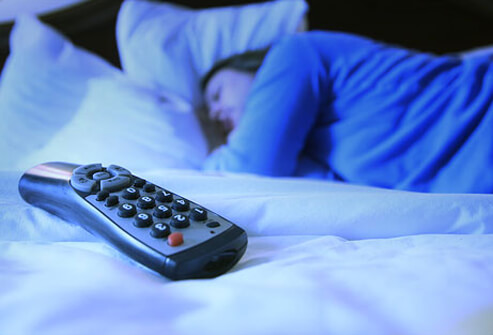
The soft blue glow from a cell phone, tablet, or digital clock on your bedside table may hurt your sleep.
Tip: Turn off TVs, computers, and other blue-light sources an hour before you go to bed. Cover any displays you can't shut off.
2. Nix Naps
You’ll rest better at night. But if you have to snooze while the sun's up, keep it to 20 minutes or less. Nap in the early part of the day.
Tip: Overcome an afternoon energy slump with a short walk, a glass of ice water, or a phone call with a friend.
3. Block Your Clock
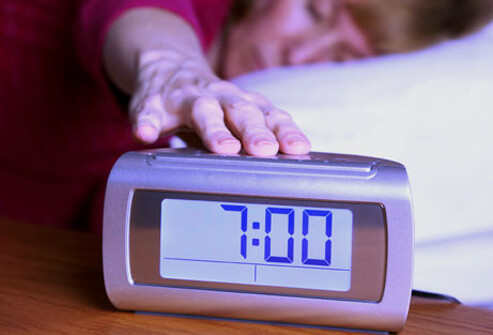
Do you glance at it several times a night? That can make your mind race with thoughts about the day to come, which can keep you awake .
Tip: Put your alarm clock in a drawer, under your bed, or turn it away from view.
4. Try a Leg Pillow for Back Pain
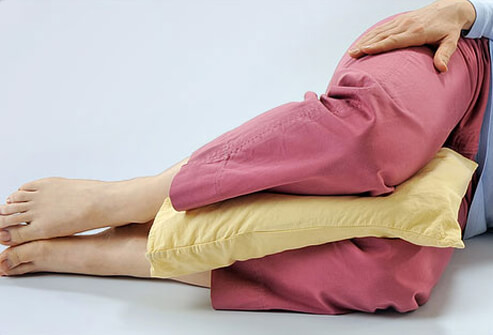
Your lower back may not hurt enough to wake you up, but mild pain can disturb the deep, restful stages of sleep. Put a pillow between your legs to align your hips better and stress your low back less.
Tip: Do you sleep on your back? Tuck a pillow under your knees to ease pain.
5. Put Your Neck in 'Neutral'
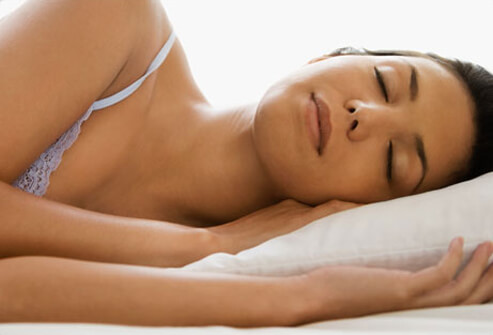
Blame your pillow if you wake up tired with a stiff neck. It should be just the right size -- not too fat and not too flat -- to support the natural curve of your neck when you're resting on your back. Do you sleep on your side? Line your nose up with the center of your body. Don’t snooze on your stomach. It twists your neck.
Tip: Use good posture before bed, too. Don't crane your neck to watch TV.
6. Seal Your Mattress
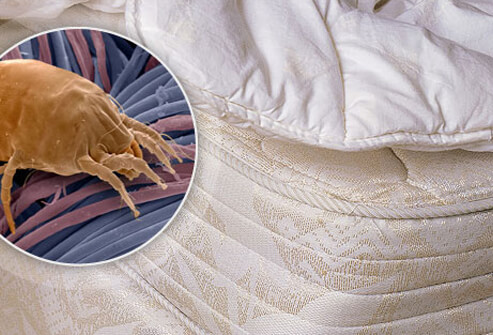
Sneezes, sniffles, and itchiness from allergies can lead to lousy shut-eye. Your mattress may hold the cause. Over time, it can fill with mold, dust mite droppings, and other allergy triggers. Seal your mattress, box springs, and pillows to avoid them.
Tip: Air-tight, plastic, dust-proof covers work best.
7. Save Your Bed for Sleep and Sex
Your bedroom should feel relaxing. Don’t sit in bed and work, surf the Internet, or watch TV.
Tip: The best sleep temperature for most people is between 68-72 degrees.
8. Set Your Body Clock
Go to sleep and wake up at roughly the same time every day, even on weekends. This routine will get your brain and body used to being on a healthy snooze-wake schedule. In time, you'll be able to nod off quickly and rest soundly through the night.
Tip: Get out in bright light for 5 to 30 minutes as soon as you get out of bed. Light tells your body to get going!
9. Look for Hidden Caffeine
Coffee in the morning is fine for most people. But as soon as the clock strikes noon, avoid caffeine in foods and drinks. Even small amounts found in chocolate can affect your Zzzz's later that night.
Tip: Read labels. Some pain relievers and weight loss pills contain caffeine.
10. Work Out Wisely
Regular exercise helps you sleep better -- as long as you don’t get it in too close to bedtime. A post-workout burst of energy can keep you awake. Aim to finish any vigorous exercise 3 to 4 hours before you head to bed.
Tip: Gentle mind-body exercises, like yoga or tai chi, are great to do just before you hit the sack.
11. Eat Right at Night
Don’t eat heavy foods and big meals too late. They overload your digestive system, which affects how well you sleep. Have a light evening snack of cereal with milk or crackers and cheese instead.
Tip: Finish eating at least an hour before bed.
12. Rethink Your Drink
Alcohol can make you sleepy at bedtime, but beware. After its initial effects wear off, it will make you wake up more often overnight.
Tip: Warm milk or chamomile tea are better choices.
13. Watch What Time You Sip
Want to lower your odds of needing nighttime trips to the bathroom? Don’t drink anything in the last 2 hours before bed. If you have to get up at night, it can be hard to get back to sleep quickly.
Tip: Keep a nightlight in the bathroom to minimize bright light.
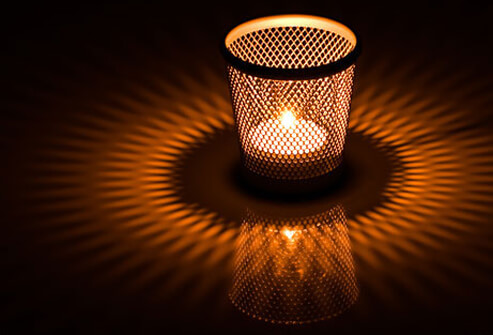
14. Lower the Lights
Dim them around your home 2 to 3 hours before bedtime. Lower light levels signal your brain to make melatonin, the hormone that brings on sleep.
Tip: Use a 15-watt bulb if you read in the last hour before bed.
15. Hush Noise
Faucet drips, nearby traffic, or a loud dog can chip away at your sleep. And if you're a parent, you might be all too aware of noises at night long after your children have outgrown their cribs.
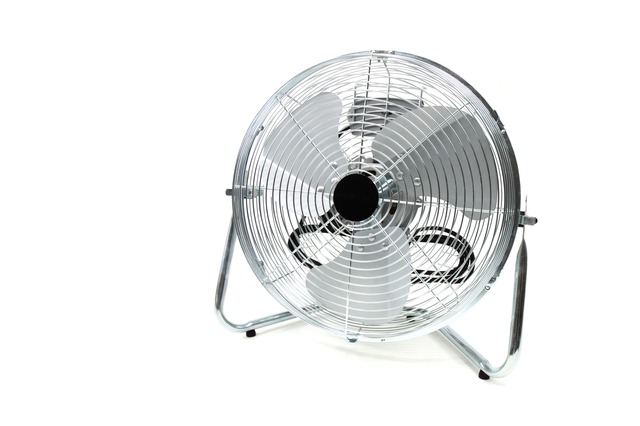
Tip: Use a fan, an air-conditioner, or a white noise app or machine. You can also try ear plugs.
16. Turn Down Tobacco
Nicotine is a stimulant, just like caffeine. Tobacco can keep you from falling asleep and make insomnia worse.
Tip: Many people try several times before they kick the habit. Ask your doctor for help.
17. Beds Are for People
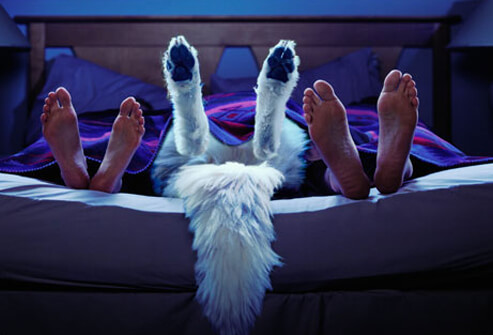
A cat's or a dog's night moves can cut your sleep short. They can also bring allergy triggers like fleas, fur, dander, and pollen into your bed.
Tip: Ask your vet or animal trainer how you can teach your pet to snooze happily in its own bed.
18. Free Your Mind
Put aside any work, touchy discussions, or complicated decisions 2 to 3 hours before bed. It takes time to turn off the "noise" of the day. If you’ve still got a lot on your mind, jot it down and let go for the night. Then, about an hour before you hit the sack, read something calming, meditate, listen to quiet music, or take a warm bath.
Tip: Even 10 minutes of relaxation makes a difference.
19. Use Caution with Sleeping Pills
Some sleep medicines can become habit-forming, and they may have side effects. Ideally, pills should be a short-term solution while you make lifestyle changes for better Zzzz's. Ask your doctor what’s OK.
20. Know When to See Your Doctor
Let her know if your sleeplessness lasts for a month or more. She can check to see if a health condition -- such as acid reflux, arthritis, asthma, or depression -- or a medicine you take is part of the problem.
 by