by
What Is Hypertension?
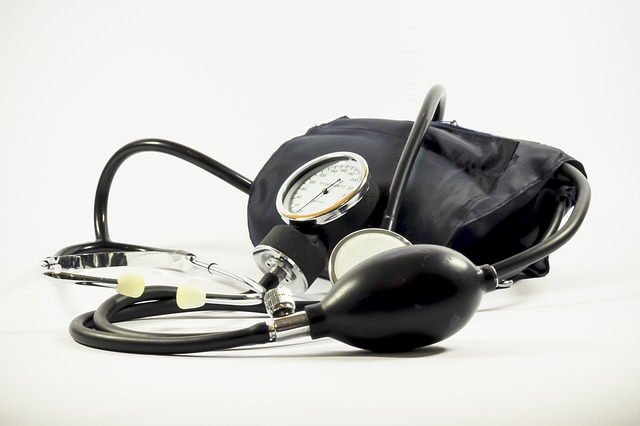
Hypertension is high blood pressure, a very common condition in older adults. Blood pressure is the physical force exerted by the blood as it pushes against the walls of the arteries. Blood pressure readings are written in two numbers separated by a line. The top number represents the systolic blood pressure and the bottom number represents the diastolic pressure. The systolic blood pressure is the pressure in the arteries as the heart contracts pushing the blood forward. The diastolic pressure is the pressure in the arteries as the heart relaxes.
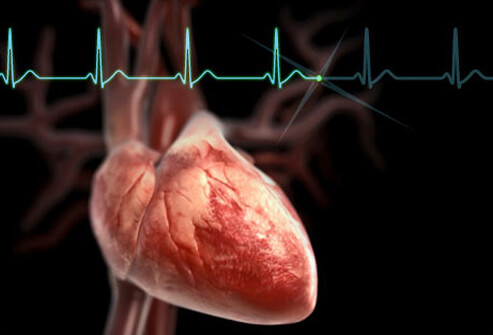
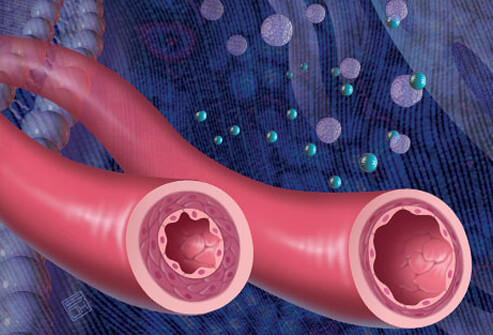
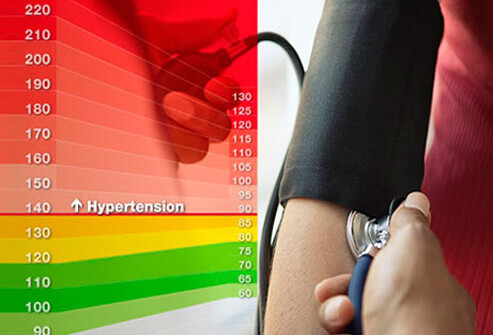
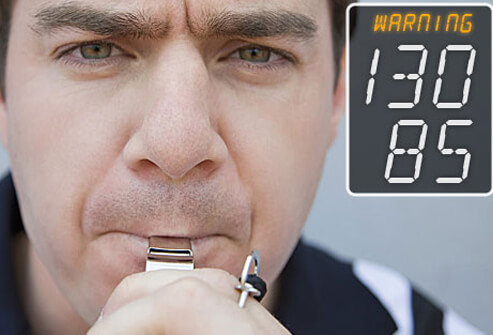
Normal blood pressure is below 120/80, blood pressure between 120/80 and 139/89 is pre-hypertension and blood pressure 140/90 or above is considered hypertension. An elevated blood pressure means that the heart must work harder to pump blood. High blood pressure can also damage the walls of the arteries. Over time, hypertension increases the risk of heart disease, kidney disease, and stroke. It is estimated that one in three adults in America are affected by hypertension.
High blood pressure is more common in older people. At age 45, more men have hypertension than women. By age 65, this is reversed and more women are affected. People with diabetes have a greater risk of hypertension than those without diabetes. Having a close family member with high blood pressure also increases your risk of developing it. About 60% of all people with diabetes also have hypertension.