Explaining Medicine
  • News
  • Health & Lifestyle
    • Diet & Weight Management
    • Exercise & Fitness
    • Nutrition, Food & Recipes
    • Prevention & Wellness
  • Conditions
    • Custom1
      • Conditions A-Z
      • Procedures A-Z
      • Allergies
      • Alzheimer’s
      • Arthritis
      • Asthma
      • Blood Pressure
      • Cholesterol
      • Cancer
    • Custom2
      • Chronic Pain
      • Cold Flu
      • Depression
      • Diabetes
      • Digestion
      • Eyesight
      • Health Living
      • Healthy Kids
      • Hearing Ear
    • Custom3
      • Heart
      • HIV/AIDS
      • Infectious Disease
      • Lung Conditions
      • Menopause
      • Men’s Health
      • Mental Health
      • Migraine
      • Neurology
    • Custom4
      • Oral Health
      • Pregnancy
      • Senior Health
      • Sexual Health
      • Skin Problems
      • Sleep
      • Thyroid
      • Travel Health
      • Women’s Health
  • Medications
    • Medications
    • Supplements and Vitamins
  • Medical Dictionary
  • Health Alerts
Flu shot recommendation for kids dropped just as...
The CDC just sidelined these childhood vaccines. Here’s...
Your next primary care doctor could be online...
In Lodge Grass, Montana, a Crow community works...
RFK Jr.’s new dietary guidelines go all in...
More seniors are becoming homeless. Shelters are trying...
Health officials slash the number of vaccines recommended...
Wegovy obesity pill now available at pharmacies
In the U.S., hunger is often hidden. But...
One doctor’s experience shows the battle for the...
Top Posts

Explaining Medicine

  • News
  • Health & Lifestyle
    • Diet & Weight Management
    • Exercise & Fitness
    • Nutrition, Food & Recipes
    • Prevention & Wellness
  • Conditions
    • Custom1
      • Conditions A-Z
      • Procedures A-Z
      • Allergies
      • Alzheimer’s
      • Arthritis
      • Asthma
      • Blood Pressure
      • Cholesterol
      • Cancer
    • Custom2
      • Chronic Pain
      • Cold Flu
      • Depression
      • Diabetes
      • Digestion
      • Eyesight
      • Health Living
      • Healthy Kids
      • Hearing Ear
    • Custom3
      • Heart
      • HIV/AIDS
      • Infectious Disease
      • Lung Conditions
      • Menopause
      • Men’s Health
      • Mental Health
      • Migraine
      • Neurology
    • Custom4
      • Oral Health
      • Pregnancy
      • Senior Health
      • Sexual Health
      • Skin Problems
      • Sleep
      • Thyroid
      • Travel Health
      • Women’s Health
  • Medications
    • Medications
    • Supplements and Vitamins
  • Medical Dictionary
  • Health Alerts
  • Slideshows

    Hair Care: 19 Best Kept Hair Secrets

    by explainingmedicine October 14, 2016

    Boost Thin Hair with Silicone

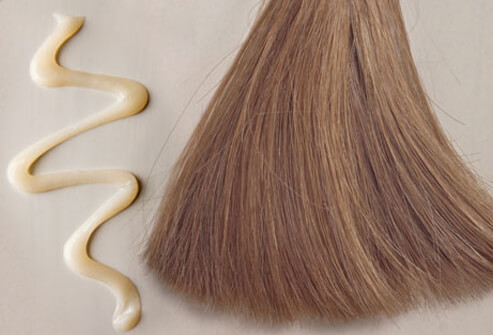
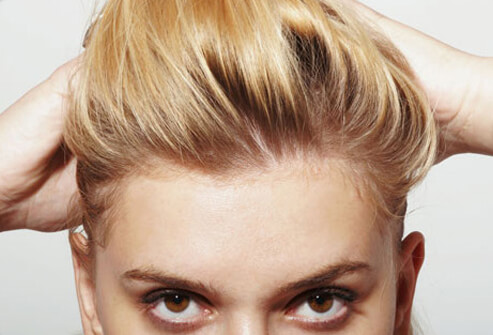
    Thin, lifeless hair is a common complaint, yet few women know the best remedy. Heavy conditioners will just leave your hair limp. A better bet is to use products with silicone, such as dimethicone or cyclomethicone. These coat the strands with a thin film, creating fuller hair that doesn't look greasy. The silicone stays put even after you rinse.


    Eat Fish and Nuts for Healthy Hair

    The same nutritious foods that are good for your body promote stronger, healthier hair. Load up on salmon and nuts! Their protein and omega-3 fats help create a healthier scalp. Leafy vegetables, beans, and carrots are also good for your tresses. Beware of fad diets aimed at quick weight loss. They can starve your body of important nutrients, which can lead to brittle hair or hair loss.

    Protect Shine With Lukewarm Water

    Hot water can strip the protective oils that act as a natural conditioner. And your hair's natural shine can disappear. This doesn't mean you have to suffer through cold showers to avoid dull hair. Instead, use lukewarm water to wash your hair. Pamper the scalp by massaging it while you shampoo.

    Mend Split Ends with Protein

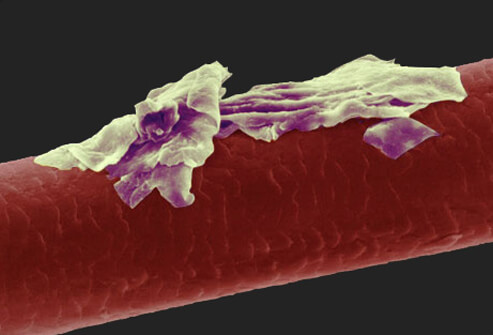
    If you often style your hair with hot tools -- or you color, bleach, or perm a lot -- you can damage hair's protective outer layer. The result is "split ends." Thankfully, there are hair products to help mend the damage. Look for conditioners with protein. They sink into the hair shaft and repair split ends. The fix only lasts until the next shampoo, so you'll need to use them regularly.

    Get that 'Redhead Bounce'

    The fullness of your hair is in your genes -- and your styling technique. Natural redheads have thicker hair, while blondes have the thinnest but greatest number of hairs. Luckily, you can plump up the volume whatever its color. Use a leave-in conditioner or mousse and dry the root area first. Flip your hair upside down as you dry, for an extra volume boost. If your hair is very fine, use low heat with any hot tool.

    Don't Treat Dandruff With Oils

    Dandruff is not a type of dry skin at all -- despite the white flakes that float down to your shoulders. A minor skin disorder of the scalp is to blame. Rubbing oil into the scalp can just make it worse. Shampoos with medicine are the best fix -- from a drugstore or a dermatologist. Leave the shampoo on for 5 minutes to soak into your scalp. Be sure to rinse thoroughly.

    Skip High-Powered Blow Dryers

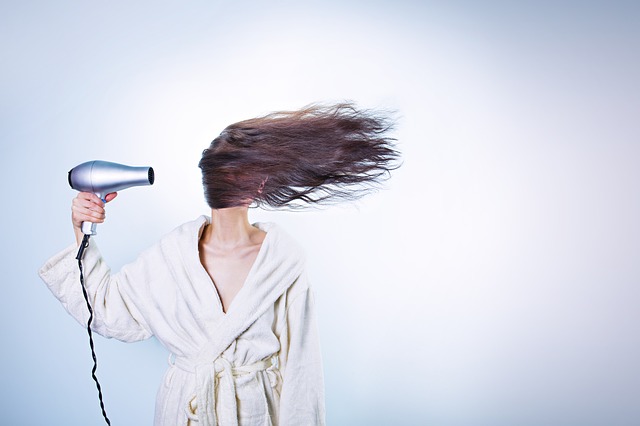
    You might expect a powerful blow dryer to slice a few precious minutes off your styling routine. But in a comparison of blow dryers, Consumer Reports found they all dried hair in about the same amount of time. Some are much noisier than others, though. The group found the more expensive dryers were the quietest, and the noisiest were as loud as a lawn mower.

    Brush Less to Limit Hair Loss

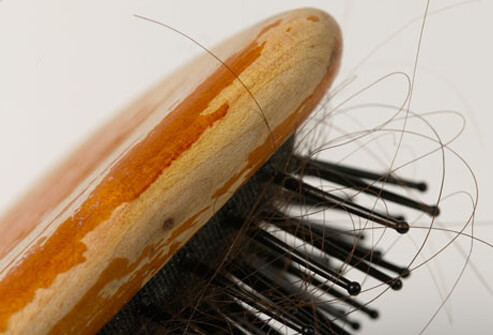
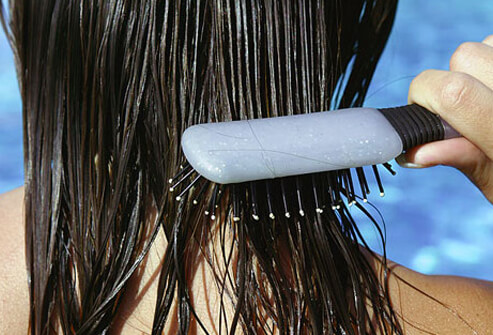
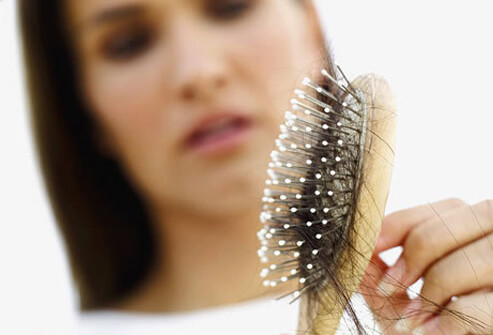
    Don't believe that myth about 100 brush strokes a day. Too much brushing will snap off hairs. Some hair loss is normal – most people lose 50 to 100 hairs every day. These have stopped growing and have reached a resting stage. To keep from losing any more hair than normal, use a brush with ball-tipped bristles. And never brush wet hair; use a comb instead.

    Take Care With Tightly Wound Hair

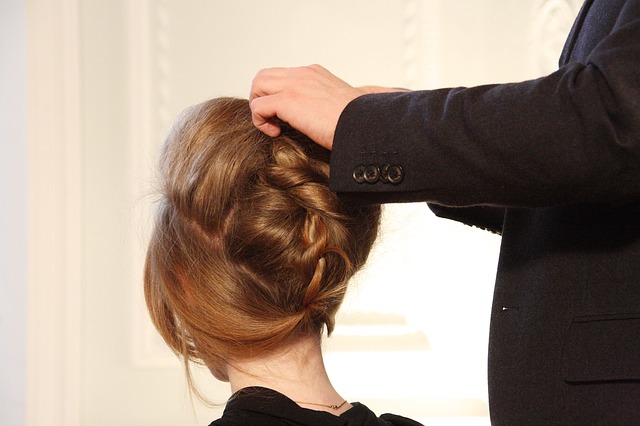
    Ponytails and braids are great ways to showcase your personal style. But when they're too tight, they can break off hair and damage the roots. Wearing a tight style around the clock can even make your hair fall out. Set your hair free every night! For braided styles meant to last months, leave hair a little loose at the scalp. If you wear heavy extensions, give your hair a break after three months.

    Don't Let Brands Clean Your Wallet

    What are you really getting for extra money spent on specialty products? Consumer Reports tested products on 1,700 ponytail samples and found that pricey shampoos were no better than cheaper ones. What should you buy? Choose shampoos and conditioners designed for your hair type, such as those for oily, fine, or color-treated hair.

    Use Gentle Color to Cover Grays

    Hair doesn't just change color as we get older – it also becomes weaker and grows more slowly. That means damaged hair won't be snipped off as quickly by haircuts. Chemicals used on "mature" hair should be weaker to avoid damage.

    Calm Frizz in Winter, Too

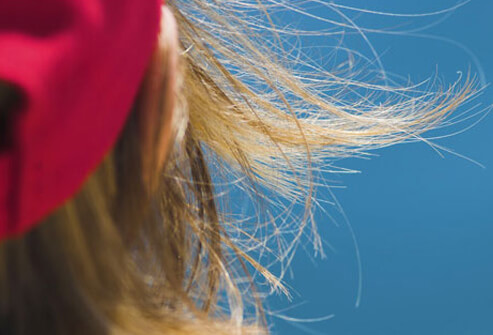
    Humidity gets the rap for causing frizzy hair days. But there's more static electricity when the air is dry. This means frizz also flies in winter months and in the desert climates of the Southwest. Use conditioner to stop static electricity. Shampoos that are pH-balanced also can calm the frizz for hair that's colored or relaxed with chemicals.

    Keep Brushes Away from Your Curls

    Curly hair is more likely to break and become dry and brittle. Gently using a pick keeps curls looking better than combing or brushing. Conditioners with polymers can smooth hair and make it more manageable. Look for polyvinylpyrrolidone on the label. Don't overdo the use of flat-irons and relaxers, which can damage hair.

    Avoid Extreme Color Changes

    Perhaps you're a brunette who always wanted to be a blonde, or a blonde who wants to go darker. Be aware that you're risking damage to your hair with more extreme color changes. Some dermatologists recommend staying within three shades of your natural color.

    Give the Blow Dryer a Rest

    Frequent blow-drying is hard on your hair and can actually lead to hair loss. When you do blow dry, turn down the heat. Finer hair is especially sensitive to damage from heat, but even thick manes need some tender care. Protect your hair before styling by using a conditioner or a heat styling product.

    Protect Hair from the Sun

    The sun is no kinder to your hair than it is to your skin. Sun exposure can dry out hair, especially if it's color-treated. Use a light hair spray with SPF protection -- or wear a hat when the sun is strongest. Frequent summer trims can keep your ends looking healthy.

    Shower Before You Swim

    Avoid chlorine damage by rinsing your hair before entering the pool or wearing a swim cap. If your hair is already saturated with water, it won't absorb as much from the chemical-laden pool. Use a pH-balancing hair product to further protect your hair.

    Take a Time Out from Styling

    For better hair days, the best thing you can do is -- nothing. All the tugging, combing, brushing, drying, and chemically treating of hair damages the shafts. Even vigorous towel-drying can damage hair. Gently blot wet hair with a towel. If you have damaged hair, take a break from styling. As the damaged hair grows out, the new growth will be healthy.

    Be Aware of Changes in Your Hair

    Sudden changes in your hair, such as brittle hair or losing much more hair than usual can in rare cases be a sign of a health problem. Some medicines can cause hair loss, too. If you notice dramatic changes in your hair, see a dermatologist.

    0 comment
    0
    Facebook Twitter Google + Pinterest
    explainingmedicine

    previous post
    Foot Problems: Ingrown Toenails
    next post
    Ringworm: Does Ringworm Mean I Have Worms?

    Related Articles

    Food & Recipes: 13 Easy Ways to Add More Greens To Your Diet

    October 14, 2016

    Multiple Sclerosis: Diagnosing Multiple Sclerosis (MS)

    October 14, 2016

    Sexual Health: Surprising Health Benefits of Sex

    October 14, 2016

    Stop Smoking: The Dangers of Secondhand Smoke

    October 14, 2016

    Cataracts: A Visual Guide to Causes, Symptoms and Surgery

    October 14, 2016

    Pet Health & You: Exercising With Your Dog

    October 14, 2016

    Teen Drug Abuse Pictures Slideshow: Statistics, Facts and Symptoms

    October 14, 2016

    Sun Damaged Skin: From Sunburn to Wrinkles to Skin Cancer

    October 14, 2016

    Cellulite: Causes, Myths and Treatments

    October 14, 2016

    Pets & Allergies: Get the Facts

    October 14, 2016

    Recent Posts

    • Flu shot recommendation for kids dropped just as the illness rages

      January 12, 2026
    • The CDC just sidelined these childhood vaccines. Here’s what they prevent

      January 9, 2026
    • Your next primary care doctor could be online only, accessed through an AI tool

      January 9, 2026
    • In Lodge Grass, Montana, a Crow community works to rebuild from meth’s destruction

      January 8, 2026
    • RFK Jr.’s new dietary guidelines go all in on meat and dairy

      January 7, 2026

    Keep in touch

    Facebook Twitter Google + RSS

    Recent Posts

    • Flu shot recommendation for kids dropped just as the illness rages

      January 12, 2026
    • The CDC just sidelined these childhood vaccines. Here’s what they prevent

      January 9, 2026
    • Your next primary care doctor could be online only, accessed through an AI tool

      January 9, 2026
    • In Lodge Grass, Montana, a Crow community works to rebuild from meth’s destruction

      January 8, 2026
    • RFK Jr.’s new dietary guidelines go all in on meat and dairy

      January 7, 2026
    • Terms of Service
    • Privacy Policy

    @2026 - Explaining Medicine. All Right Reserved.


    Back To Top
    Explaining Medicine
    Proudly powered by WordPress Theme: soledad child.