Explaining Medicine
  • News
  • Health & Lifestyle
    • Diet & Weight Management
    • Exercise & Fitness
    • Nutrition, Food & Recipes
    • Prevention & Wellness
  • Conditions
    • Custom1
      • Conditions A-Z
      • Procedures A-Z
      • Allergies
      • Alzheimer’s
      • Arthritis
      • Asthma
      • Blood Pressure
      • Cholesterol
      • Cancer
    • Custom2
      • Chronic Pain
      • Cold Flu
      • Depression
      • Diabetes
      • Digestion
      • Eyesight
      • Health Living
      • Healthy Kids
      • Hearing Ear
    • Custom3
      • Heart
      • HIV/AIDS
      • Infectious Disease
      • Lung Conditions
      • Menopause
      • Men’s Health
      • Mental Health
      • Migraine
      • Neurology
    • Custom4
      • Oral Health
      • Pregnancy
      • Senior Health
      • Sexual Health
      • Skin Problems
      • Sleep
      • Thyroid
      • Travel Health
      • Women’s Health
  • Medications
    • Medications
    • Supplements and Vitamins
  • Medical Dictionary
  • Health Alerts
Flu shot recommendation for kids dropped just as...
The CDC just sidelined these childhood vaccines. Here’s...
Your next primary care doctor could be online...
In Lodge Grass, Montana, a Crow community works...
RFK Jr.’s new dietary guidelines go all in...
More seniors are becoming homeless. Shelters are trying...
Health officials slash the number of vaccines recommended...
Wegovy obesity pill now available at pharmacies
In the U.S., hunger is often hidden. But...
One doctor’s experience shows the battle for the...
Top Posts

Explaining Medicine

  • News
  • Health & Lifestyle
    • Diet & Weight Management
    • Exercise & Fitness
    • Nutrition, Food & Recipes
    • Prevention & Wellness
  • Conditions
    • Custom1
      • Conditions A-Z
      • Procedures A-Z
      • Allergies
      • Alzheimer’s
      • Arthritis
      • Asthma
      • Blood Pressure
      • Cholesterol
      • Cancer
    • Custom2
      • Chronic Pain
      • Cold Flu
      • Depression
      • Diabetes
      • Digestion
      • Eyesight
      • Health Living
      • Healthy Kids
      • Hearing Ear
    • Custom3
      • Heart
      • HIV/AIDS
      • Infectious Disease
      • Lung Conditions
      • Menopause
      • Men’s Health
      • Mental Health
      • Migraine
      • Neurology
    • Custom4
      • Oral Health
      • Pregnancy
      • Senior Health
      • Sexual Health
      • Skin Problems
      • Sleep
      • Thyroid
      • Travel Health
      • Women’s Health
  • Medications
    • Medications
    • Supplements and Vitamins
  • Medical Dictionary
  • Health Alerts
  • Slideshows

    Black Widow vs. Brown Recluse: See Who Wins

    by explainingmedicine October 14, 2016

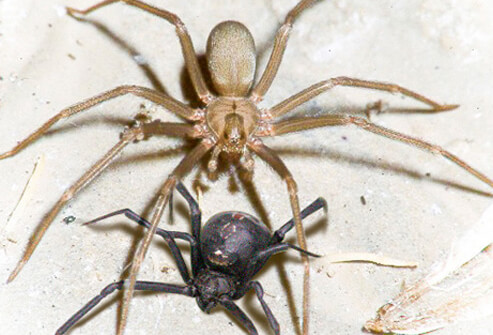
    Black Widow Spider vs. Brown Recluse Spider

    In the U.S., most spiders you will find are harmless, but the black widow spider and the brown recluse spider are exceptions. Both types of spiders are more common in the southern U.S. and in warm, dry climates. Within these areas they tend to be found in environments that are undisturbed such as basements, closets, attics, under sinks, or in wood piles.
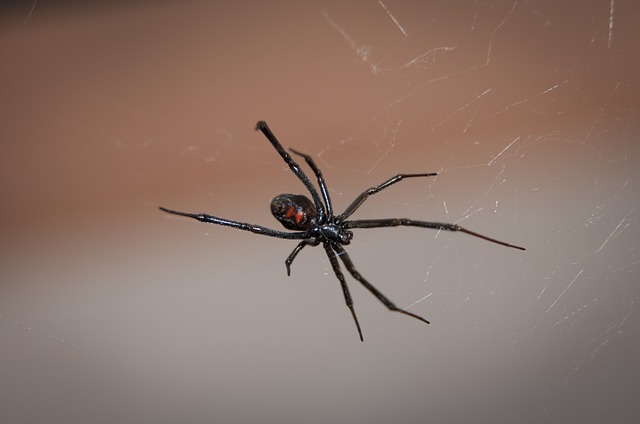
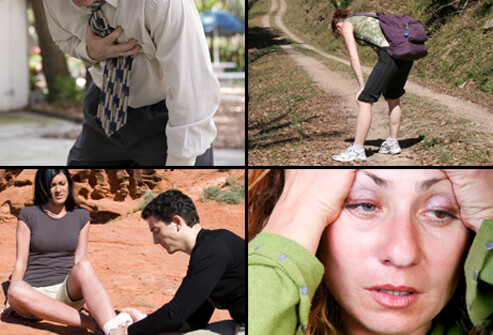
    What Types of Dangers Would You Expect From a Black Widow Bite?

    The bite of a black widow spider is dangerous because it can affect a person’s nervous system. The spider produces a neurotoxic protein that is extremely potent. Some people may have a minimal reaction, but others may suffer from a severe response.

    Black Widow Victims May Experience These Symptoms:

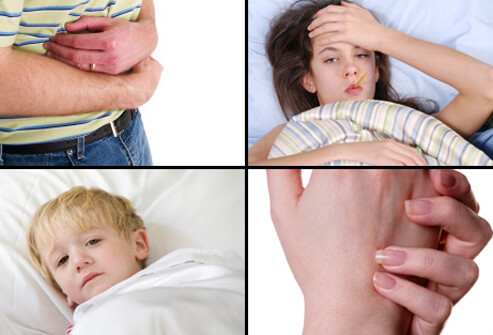
    Symptoms of a black widow spider bite start within an hour after being bitten. Symptoms include severe muscle cramps, abdominal pain, weakness, and tremor. In severe cases symptoms may include nausea, vomiting, faintness, dizziness, chest pain, and respiratory difficulties.

    What Type of Dangers Would You Expect From a Brown Recluse Spider?

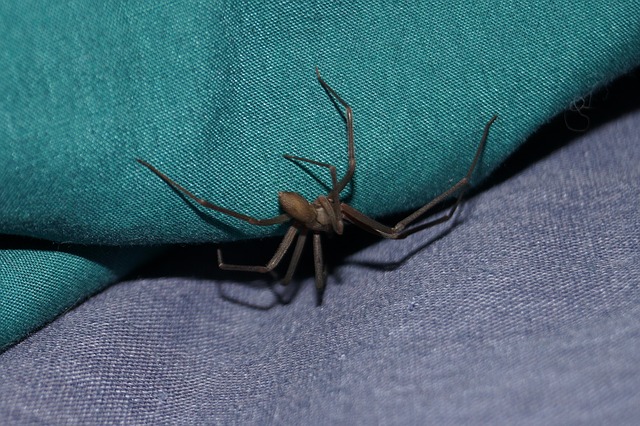
    Another toxic spider is the brown recluse, whose venom is more potent than that of a rattlesnake, and is toxic to cells and tissues. However, because the bite releases much smaller quantities of poison into its victims, brown recluse bites cause less damage than rattlesnake bites.

    Brown Recluse Victims May Experience These Symptoms:

    Brown recluse spider bites may not even be noticed at first as they are often painless. Some people may notice minor stinging such as that felt with a bee sting when bitten by the spider. Symptoms of a brown recluse spider bite develop within eight hours after being bitten and include severe pain at the bite site, severe itching, nausea, vomiting, fever, and muscle pain.

    Who Is the Black Widow Spider?

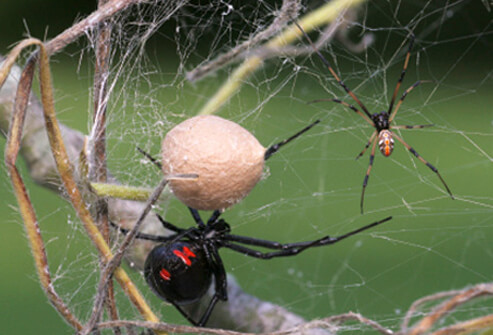
    The black widow spider gets its name from the erroneous belief that the female spider kills the male after mating. There are five species of black widow spiders in the U.S.; the southern black widow and the northern black widow are the most common. The spider is medium-sized and about half-inch long.

    Who Is the Southern Black Widow Spider?

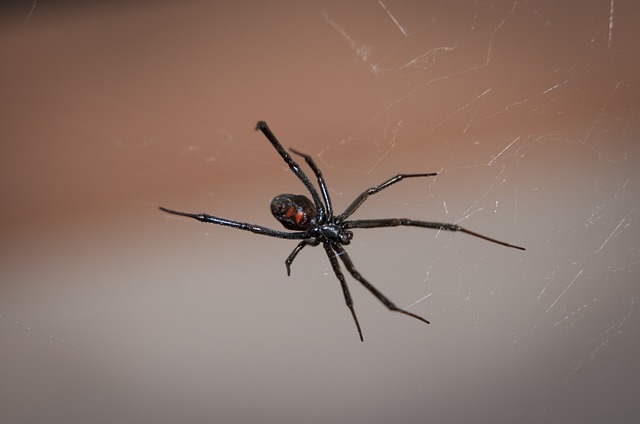
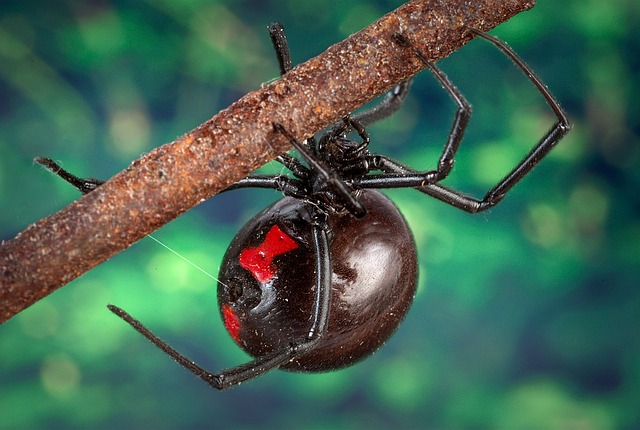
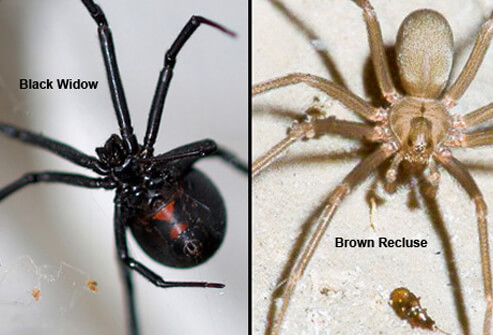
    The southern black widow spider is one of the two commonly found species of black widow spiders found in the U.S. and can be identified by its shiny, black, globular abdomen with the distinctive red hourglass shape on its underside.

    Who Is the Northern Black Widow Spider?

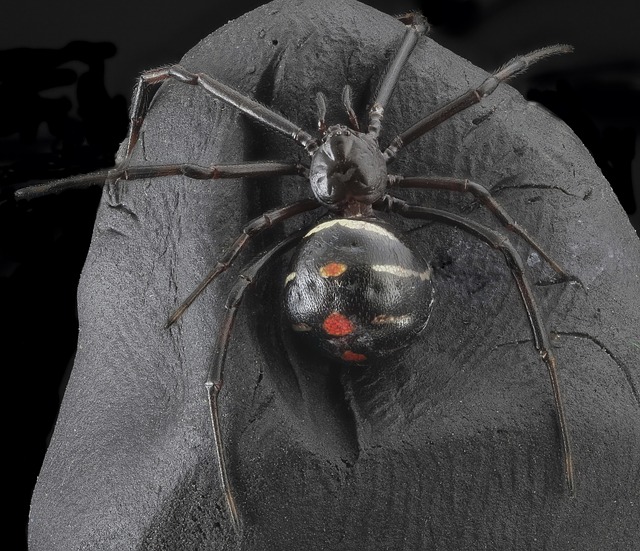
    The northern black widow spider doesn't have the hallmark red hourglass shape on its belly, instead it can be identified by a row of red spots (spots may also be yellow or white) down the middle of the upper surface of its abdomen, and two crosswise bars on the undersurface. The spider may be brown or have red legs.

    Who Is the Brown Recluse Spider?

    Brown recluse spiders are native to the U.S. Midwest and Southeast. It is rare to find them outside these areas. There are 13 other species of spider in the same family that may be falsely identified as a brown recluse.

    Who Are the Non-Brown Recluse Spiders?

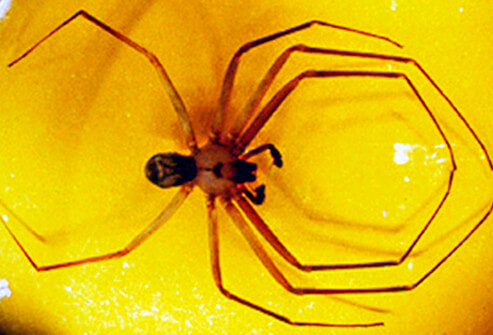
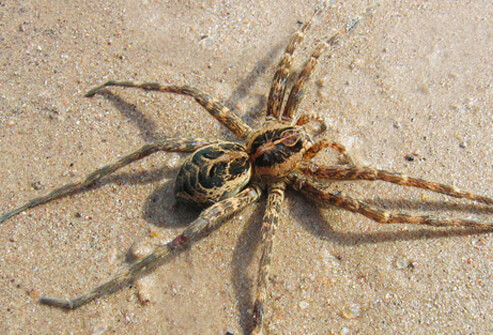
    Spiders in the same family as the brown recluse spider include the desert recluse found in Texas, Arizona, and California, and the Arizona recluse. Bites from these spiders may cause some localized skin disease, but no deaths have been reported from non-brown recluse spiders.

    Who Is the Brown Recluse Spider?

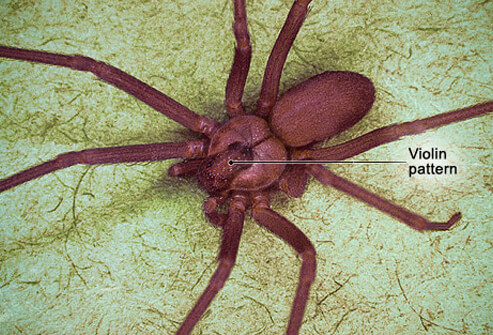
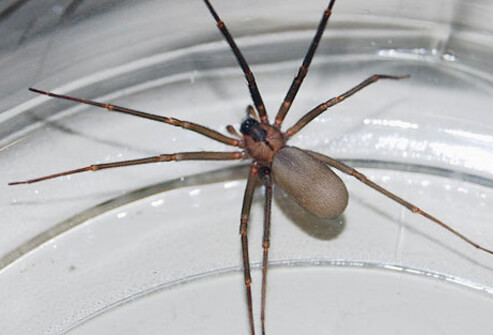
    Brown recluse spiders are identified by their characteristic violin pattern on the back of the cephalothorax (the part of the body where the legs attach). The base of the violin appears to be at the head of the spider and the neck of the violin points to the rear. Brown recluse spiders are small with one-inch legs, non-hairy, yellow-tan to dark brown in color, and darker legs. Most spiders have eight eyes, but the brown recluse has just six – it belongs to the genus Loxosceles. This feature is usually too small for people to see with the naked eye.

    What Are the Habits of a Black Widow?

    Black widow spiders are active at night (nocturnal), and they prefer dark areas. They tend to avoid houses where people live, but they may be found in garages or sheds. Only female black widow spiders bite humans, and they only do so if disturbed.

    What are the Habits of a Brown Recluse Spider?

    Brown recluse spiders are not aggressive and will only bite if they feel threatened. They prefer dark, warm, dry environments such as attics, closets, basements, barns, and wood piles. Most brown recluse bites occur during the summer. The spider searches for prey at night and rests in the day in its small web, which is usually constructed in corners or crevices.

    What Does a Black Widow Spider Bite Look Like?

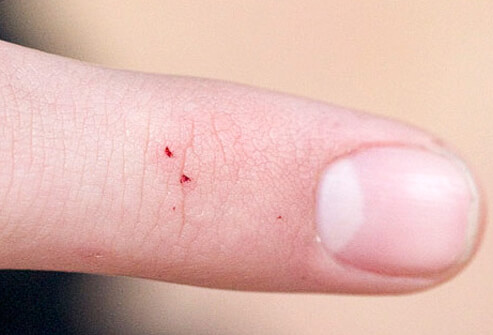
    A black widow spider bite may appear as double fang marks at the site of the bite. The bite is described as feeling like a pinprick, though there may only be a small localized reaction. Blood pressure or heart rate may rise. The severity of the reaction to the bite depends on the age and overall health of the victim. Children and the elderly are usually more seriously affected.

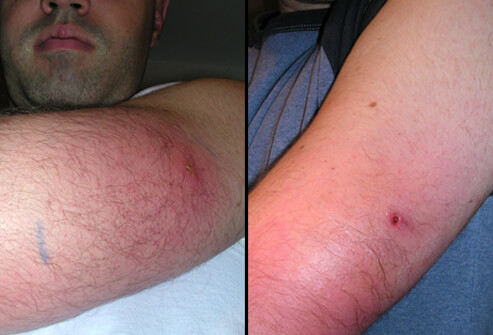
    Progression of Black Widow Spider Bite.

    Hours after being bitten by the black widow spider, the bite injury will swell. In the case pictured, two days after being bitten the redness and swelling continued past the elbow and down the forearm of the victim. Eight days after the bite, the swelling went down, the bite opened, and the infection was nearly gone.

    What Does a Brown Recluse Spider Bite Look Like?

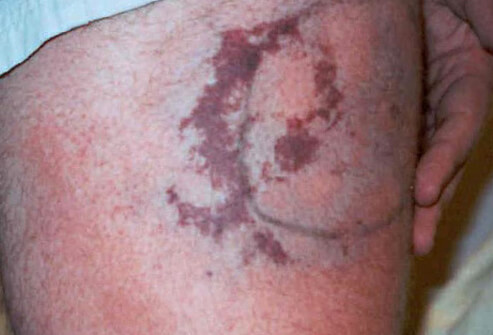
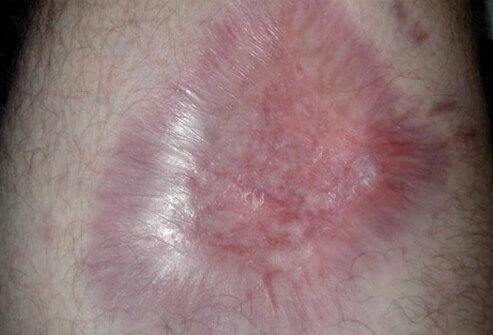
    A brown recluse spider bite may appear slightly red and when you look closely you may see fang marks. In most cases, the bite site will become firm and will heal over the following days to weeks with minimal scarring. In some cases the local reaction will be more severe with redness, blistering, blue discoloration, tissue death, and scarring. Pictured: the bite area swelled to quarter-size within an hour, and within a day continued to swell, turning blue and dark red.

    Progressed Brown Recluse Spider Bite (Day Three)

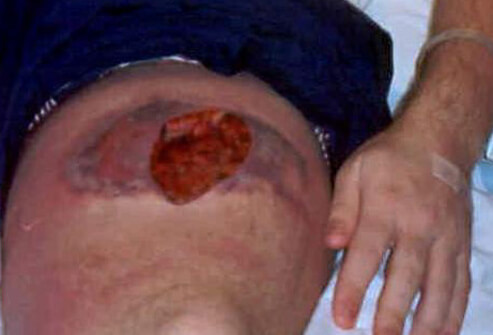
    In severe cases, the reaction to a brown recluse spider bite can lead to death of the skin (necrosis) and subcutaneous fat. Pictured: the same patient as in the previous slide, after three days, with initial stages of skin necrosis.

    Progression of Brown Recluse Spider Bite (Day Nine)

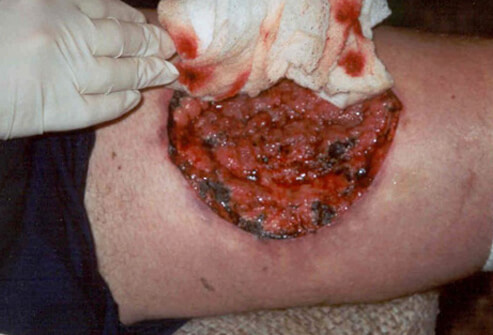
    As the reaction to the brown recluse spider bite progresses, severe necrotic lesions with deep, wide borders can result. Pictured: the same patient in the previous slides, eight days following the bite. The wound remained open the entire time for the spider’s toxins to drain, and the patient needed constant intravenous antibiotics and pain medications.

    Progression of Brown Recluse Spider Bite (Day 38)

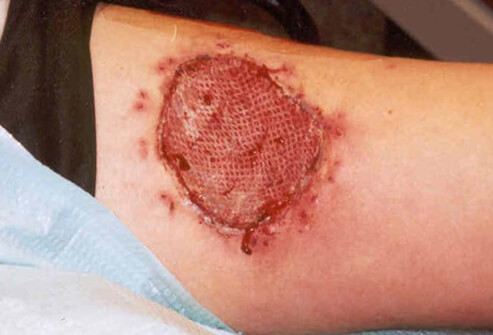
    Eleven days after the brown recluse spider bite a five-inch wide area of dead tissue was removed, and a skin graft was needed. Pictured: skin graft results 38 days after the bite.

    Progression of Brown Recluse Spider Bite (10 Months)

    Pictured: Ten months after the brown recluse bite, the wound is healed, with scarring.

    When Should I Seek Medical Care For a Black Widow Spider Bite?

    Seek care immediately following a black widow spider bite at a hospital emergency department. Most doctor’s offices or urgent care centers are not equipped to deal with these types of injuries. Treatment for pain may require narcotic pain relievers and antivenin to counter the effects of the spider venom, which can usually only be found in a hospital setting.

    Are There Self-Care Home Treatments For a Black Widow Spider Bite?

    For minor black widow spider bites, home care treatments are limited. Cold or awarm compresses and hot baths may help ease pain. Over-the-counter pain relievers such as acetaminophen (Tylenol) or ibuprofen (Advil, Motrin) may help for mild bites. Folk remedies do not work.

    When Should I Seek Medical Care For a Brown Recluse Spider Bite?

    If you think you have been bitten by a brown recluse spider see a doctor immediately or go to a hospital emergency department. If possible, bring the spider to the doctor’s office so the physician can identify the spider to help make the proper diagnosis.

    Are There Self-Care Home Treatments For a Brown Recluse Spider Bite?

    Clean the wound area thoroughly with soap and water first, and then seek medical care. Home care is for relief of symptoms only after you have been treated by a doctor. Apply ice to decrease pain and swelling, and take acetaminophen (Tylenol) for pain. Elevate the area above the heart if possible. Avoid strenuous activity which can spread the spider venom through the skin.

    0 comment
    0
    Facebook Twitter Google + Pinterest
    explainingmedicine

    previous post
    Pink Eye (Conjunctivitis): Learn About This Common Eye Condition
    next post
    Dental Health: 19 Habits That Wreck Your Teeth

    Related Articles

    Hair Care: 19 Best Kept Hair Secrets

    October 14, 2016

    Food Poisoning: 20 Common and Uncommon Types, Signs and Symptoms

    October 14, 2016

    Psoriasis: See Moderate to Severe Forms of this Common Skin Condition

    October 14, 2016

    Scabies: Stop the Itch Mite

    October 14, 2016

    Diabetes and Foot Problems: How to Avoid Serious Complications

    October 14, 2016

    Multiple Sclerosis: Diagnosing Multiple Sclerosis (MS)

    October 14, 2016

    Hepatitis C: Know The Risks of Hepatitis C Infection

    October 14, 2016

    Cat Health: Taking Care of Your Kitten

    October 14, 2016

    Headaches & Migraines: Surprising Headache & Migraine Triggers

    October 14, 2016

    Oral Health: 10 Fun Facts About Your Tongue

    October 15, 2016

    Recent Posts

    • Flu shot recommendation for kids dropped just as the illness rages

      January 12, 2026
    • The CDC just sidelined these childhood vaccines. Here’s what they prevent

      January 9, 2026
    • Your next primary care doctor could be online only, accessed through an AI tool

      January 9, 2026
    • In Lodge Grass, Montana, a Crow community works to rebuild from meth’s destruction

      January 8, 2026
    • RFK Jr.’s new dietary guidelines go all in on meat and dairy

      January 7, 2026

    Keep in touch

    Facebook Twitter Google + RSS

    Recent Posts

    • Flu shot recommendation for kids dropped just as the illness rages

      January 12, 2026
    • The CDC just sidelined these childhood vaccines. Here’s what they prevent

      January 9, 2026
    • Your next primary care doctor could be online only, accessed through an AI tool

      January 9, 2026
    • In Lodge Grass, Montana, a Crow community works to rebuild from meth’s destruction

      January 8, 2026
    • RFK Jr.’s new dietary guidelines go all in on meat and dairy

      January 7, 2026
    • Terms of Service
    • Privacy Policy

    @2026 - Explaining Medicine. All Right Reserved.


    Back To Top
    Explaining Medicine
    Proudly powered by WordPress Theme: soledad child.