Explaining Medicine
  • News
  • Health & Lifestyle
    • Diet & Weight Management
    • Exercise & Fitness
    • Nutrition, Food & Recipes
    • Prevention & Wellness
  • Conditions
    • Custom1
      • Conditions A-Z
      • Procedures A-Z
      • Allergies
      • Alzheimer’s
      • Arthritis
      • Asthma
      • Blood Pressure
      • Cholesterol
      • Cancer
    • Custom2
      • Chronic Pain
      • Cold Flu
      • Depression
      • Diabetes
      • Digestion
      • Eyesight
      • Health Living
      • Healthy Kids
      • Hearing Ear
    • Custom3
      • Heart
      • HIV/AIDS
      • Infectious Disease
      • Lung Conditions
      • Menopause
      • Men’s Health
      • Mental Health
      • Migraine
      • Neurology
    • Custom4
      • Oral Health
      • Pregnancy
      • Senior Health
      • Sexual Health
      • Skin Problems
      • Sleep
      • Thyroid
      • Travel Health
      • Women’s Health
  • Medications
    • Medications
    • Supplements and Vitamins
  • Medical Dictionary
  • Health Alerts
Flu shot recommendation for kids dropped just as...
The CDC just sidelined these childhood vaccines. Here’s...
Your next primary care doctor could be online...
In Lodge Grass, Montana, a Crow community works...
RFK Jr.’s new dietary guidelines go all in...
More seniors are becoming homeless. Shelters are trying...
Health officials slash the number of vaccines recommended...
Wegovy obesity pill now available at pharmacies
In the U.S., hunger is often hidden. But...
One doctor’s experience shows the battle for the...
Top Posts

Explaining Medicine

  • News
  • Health & Lifestyle
    • Diet & Weight Management
    • Exercise & Fitness
    • Nutrition, Food & Recipes
    • Prevention & Wellness
  • Conditions
    • Custom1
      • Conditions A-Z
      • Procedures A-Z
      • Allergies
      • Alzheimer’s
      • Arthritis
      • Asthma
      • Blood Pressure
      • Cholesterol
      • Cancer
    • Custom2
      • Chronic Pain
      • Cold Flu
      • Depression
      • Diabetes
      • Digestion
      • Eyesight
      • Health Living
      • Healthy Kids
      • Hearing Ear
    • Custom3
      • Heart
      • HIV/AIDS
      • Infectious Disease
      • Lung Conditions
      • Menopause
      • Men’s Health
      • Mental Health
      • Migraine
      • Neurology
    • Custom4
      • Oral Health
      • Pregnancy
      • Senior Health
      • Sexual Health
      • Skin Problems
      • Sleep
      • Thyroid
      • Travel Health
      • Women’s Health
  • Medications
    • Medications
    • Supplements and Vitamins
  • Medical Dictionary
  • Health Alerts
  • Slideshows

    Children’s Health: Top Reasons Your Child Can’t Sleep

    by explainingmedicine October 14, 2016

    No. 1: She's Too Young!

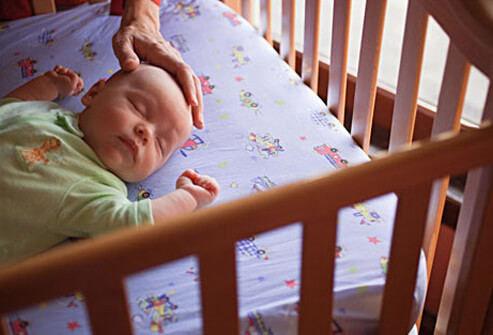
    Few babies sleep through the night right away. For the first two months, newborns sleep off and on at random times for 12 to 18 hours a day. Most babies sleep through the night by the time they're about 9 months old. Even then, "night" means just five to six hours in a row.
    No. 2: You're The Sleep Aide

    Rock a baby to sleep every night, and he can't learn to fall asleep on his own. Instead he cries to get what helps him -- you. Put him to bed when he's sleepy, but not sound asleep. He'll become a "self-soother" who learns to fall asleep on his own, even if he wakes up in the middle of the night.

    No. 3: He's Over-Tired

    Toddlers and preschoolers need 11 to 14 hours of sleep every 24 hours, including nighttime and naps. Routine is key, so set regular times for bed, waking up, napping, meals, and play.

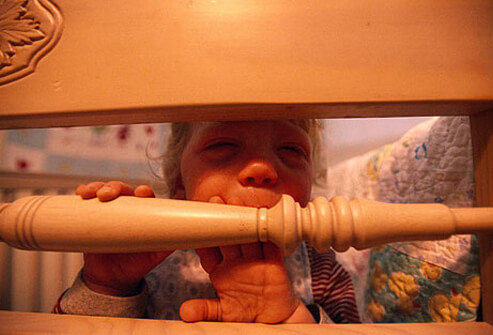
    No. 4: Separation Anxiety

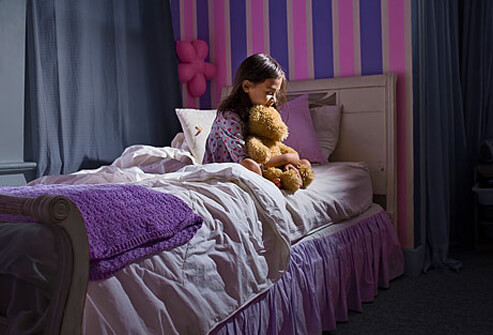
    It's normal for your child to go through this phase. Try not to encourage it with lots of talking, singing, rocking, or extra feedings. At around 6 months, you can help a baby to go back to sleep on her own. As long as she doesn't seem sick, speak softly and rub her back. Comfort her, but don't make it too rewarding by picking her up or feeding her. A nightlight may comfort toddlers who are afraid of the dark.

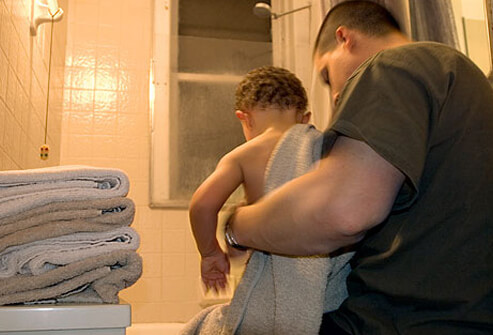
    No. 5: No Bedtime Routine

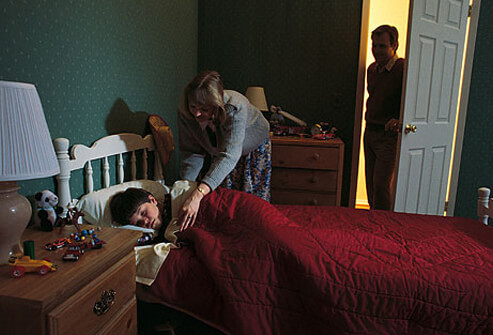
    Doing the same things each night before bed helps your child know it's time to sleep. Create a bedtime routine to wind down and relax. For instance, each night your child gets a bath, listens to you read them a story, has a snack, and then it's lights out. Do the same routine every night and always end in your child's room. It's best to start a routine early, by 4 months.

    No. 6: Bedtime Stalling

    Some kids delay bedtime. They make up reasons to stay up or ask for more stories, a drink, or a trip to the potty. Stick to the routine. Go into your child's room to respond. Be kind and firm. Make your visits shorter each time. Let your child know it's truly time for sleep.

    No. 7: Not Enough Nap Time

    If they don't nap enough during the day, young kids may have trouble falling asleep at night. Most babies need two or three naps a day. Toddlers need at least one nap. Most kids still take an after-lunch nap until age 5. If your child is cranky and sleepy, let her nap, as long as it's not too close to bedtime.

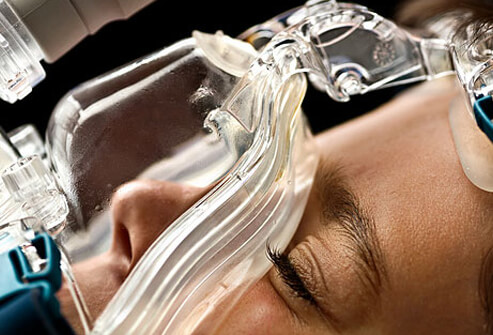
    No. 8: Obstructive Sleep Apnea

    It's rare, but some children can't sleep due to obstructive sleep apnea -- when the airways are blocked, often by enlarged tonsils and nasal tissues called adenoids. Kids with sleep apnea usually snore loudly, have labored breathing, and restless sleep. It affects about 1 in 100 kids and is most common from ages 3 to 7, when tonsils and adenoids are at their biggest. Treatment includes surgery or having the child wear a nose mask at night.

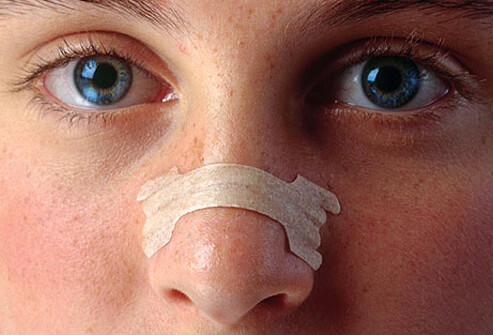
    No. 9: Snoring

    About 1 in 10 kids snore. They can snore for many reasons, including sleep apnea, seasonal allergies, stuffiness from a cold, or a deviated septum. If their sleep is OK, your pediatrician probably won't treat snoring. But see your pediatrician if your child isn't sleeping well because of snoring or breathing problems.

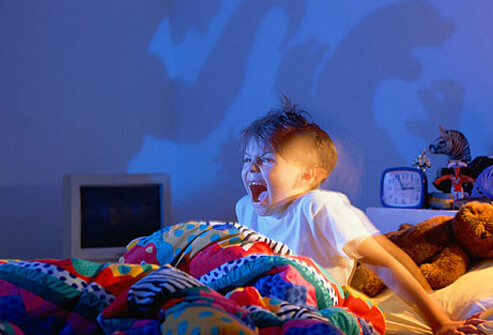
    No. 10: Bad Dreams

    Kids occasionally have bad dreams. That's normal, and most bad dreams are harmless. Soothe your child after bad dreams. Make sure he gets enough sleep and has a soothing bedtime routine. If bad dreams won't stop, mention it to your pediatrician.

    No. 11: Walking While Asleep

    Some children sleepwalk. When they're not fully awake they may walk, talk, sit up in bed, or do other things. Their eyes may be open, but they're not aware. Most kids outgrow this by their teens. Don't wake a child who sleepwalks. You may scare her. Gently guide her back to bed. Keep the area she may roam in safe: Lock doors and put up safety gates near steps.

    No. 12: Allergies, Asthma, and More

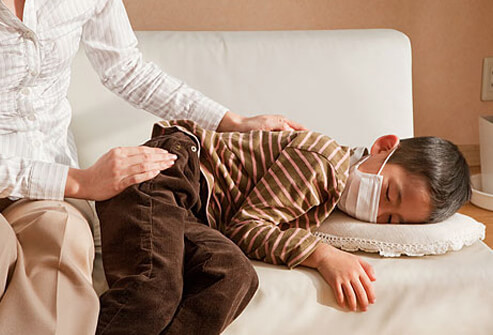
    Some health problems can keep kids from sleeping. Stuffy noses from allergies, colds, and asthma can make it hard to breathe. In babies, colic, acid reflux, earaches, or teething pain can also hamper sleep. Your pediatrician may be able to help.

    No. 13: Drugs

    Some cold and allergy medicines or ADHD drugs can affect a child's sleep. If drugs seem to be keeping your child up, talk to your pediatrician to see if changing the drug, dose, or timing might help. Never make those changes on your own.

    No. 14: The Teen Body Clock

    When a child becomes a teen, their sleep cycle changes. They become more alert in the evening and sleepier in the morning. Work with those changes. Let your teen do homework at night and sleep later if she can. Teens still need at least 8.5 hours of sleep.

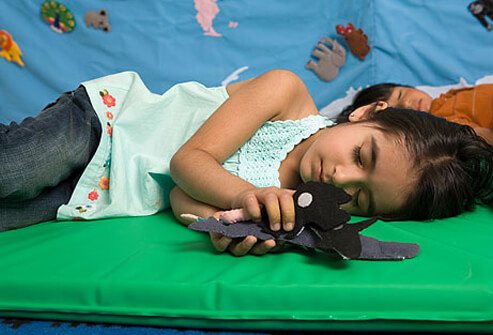
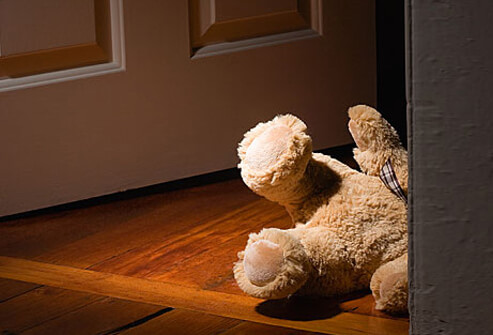
    No. 15: No Pacifier or Teddy Bear

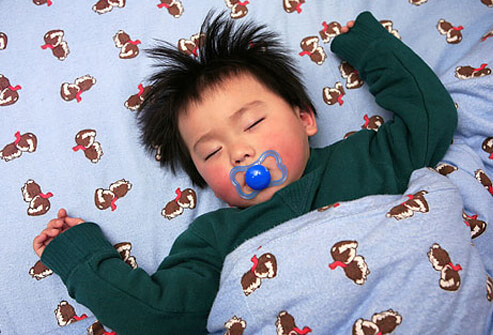
    Sometimes having a special object close by can help a young child fall asleep. Blankies or stuffed animals are among the top comfort objects. Pacifiers may please a baby's need to suck, even if they're breastfeeding. A white noise machine soothes their ears and hushes sounds.

    No. 16: A Room That Says, "Stay Up!"

    To create the right space for sleep, keep your child's room dark at night. (A small nightlight is OK.) Dress your child in something lightweight and comfy. Keep the room quiet. Shut the door if your child can hear a TV or people elsewhere in your home.

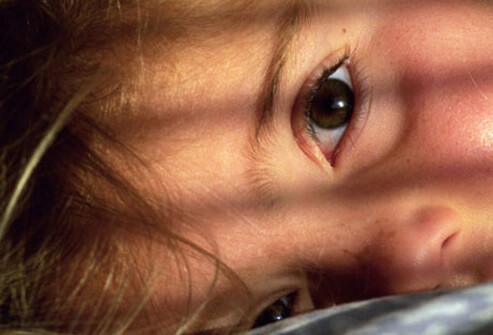
    No. 17: Ignoring Tired Cues

    Is your child nodding off at school? Does she have trouble falling asleep within 30 minutes of going to bed, or getting up in time to start her day? Check that she's getting enough sleep. Kids ages 5 to 10 years need at least 10 hours of sleep a night.

    No. 18: Screens in the Bedroom

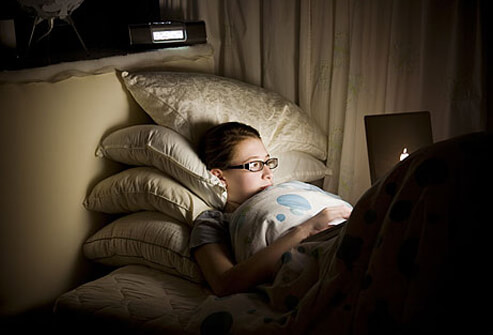
    Phones, computers, video games, and TVs can be irresistible. Keep them out of your child's bedroom. Power down before bedtime. Even big kids need a relaxing routine to wind down for bed.

    No. 19: Stress

    Stress can affect kids' sleep. Help them relax with deep breathing, a warm bath, and a calm bedtime routine. You can also start teaching them good ways to manage stress during the day, so it doesn't affect their sleep.

    0 comment
    0
    Facebook Twitter Google + Pinterest
    explainingmedicine

    previous post
    Baby Food & Nutrition: What to Feed Your Baby in Year 1
    next post
    Parenting: Parents’ Guide to Soothing Your Crying Baby

    Related Articles

    Hepatitis: A Visual Guide to Hepatitis

    October 14, 2016

    Baby Skin Care: Bathing & Soothing Your Newborn’s Skin

    October 14, 2016

    Bursitis Pictures Slideshow: Treatments for Hip, Knee Shoulder and More

    October 14, 2016

    Lowering Cholesterol: 15 Tips for Avoiding Heart Disease

    October 14, 2016

    Low Testosterone: What Are the Effects of Low T?

    October 14, 2016

    Asthma: An Inflammatory Disorder of the Airways

    October 14, 2016

    Pain: Surprising Reasons You’re in Pain

    October 14, 2016

    Lung Cancer: Myths and Facts

    October 14, 2016

    Diarrhea and Digestive Distress: Problems Foods to Avoid

    October 14, 2016

    Parenting: How to Keep Your Family Active

    October 14, 2016

    Recent Posts

    • Flu shot recommendation for kids dropped just as the illness rages

      January 12, 2026
    • The CDC just sidelined these childhood vaccines. Here’s what they prevent

      January 9, 2026
    • Your next primary care doctor could be online only, accessed through an AI tool

      January 9, 2026
    • In Lodge Grass, Montana, a Crow community works to rebuild from meth’s destruction

      January 8, 2026
    • RFK Jr.’s new dietary guidelines go all in on meat and dairy

      January 7, 2026

    Keep in touch

    Facebook Twitter Google + RSS

    Recent Posts

    • Flu shot recommendation for kids dropped just as the illness rages

      January 12, 2026
    • The CDC just sidelined these childhood vaccines. Here’s what they prevent

      January 9, 2026
    • Your next primary care doctor could be online only, accessed through an AI tool

      January 9, 2026
    • In Lodge Grass, Montana, a Crow community works to rebuild from meth’s destruction

      January 8, 2026
    • RFK Jr.’s new dietary guidelines go all in on meat and dairy

      January 7, 2026
    • Terms of Service
    • Privacy Policy

    @2026 - Explaining Medicine. All Right Reserved.


    Back To Top
    Explaining Medicine
    Proudly powered by WordPress Theme: soledad child.